How do we decide between selective, push back, and drive-in pallet racks?
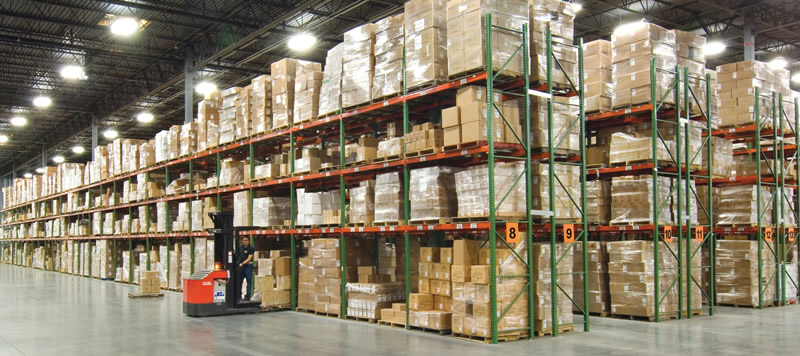
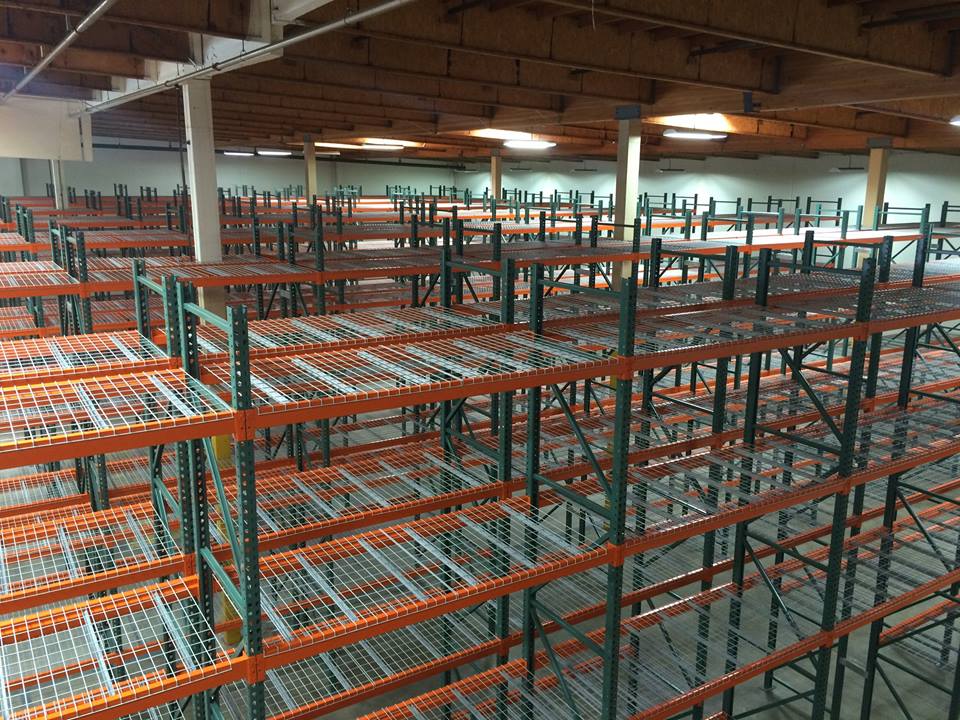
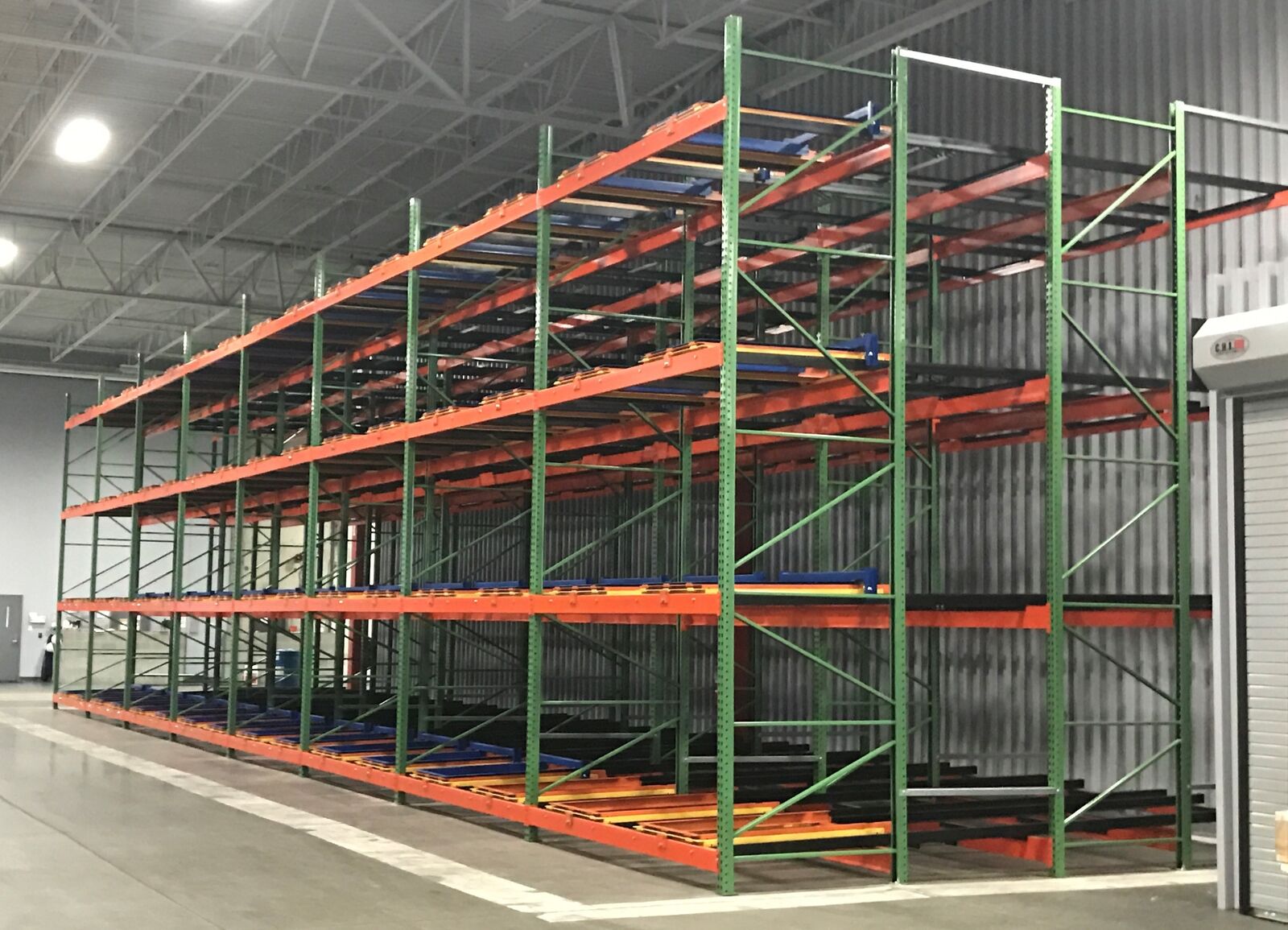
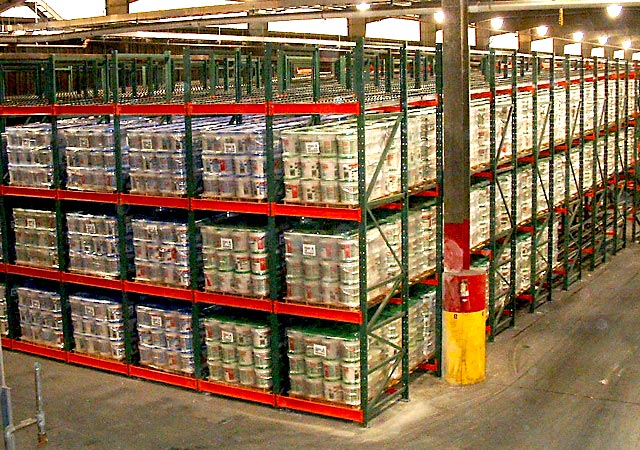
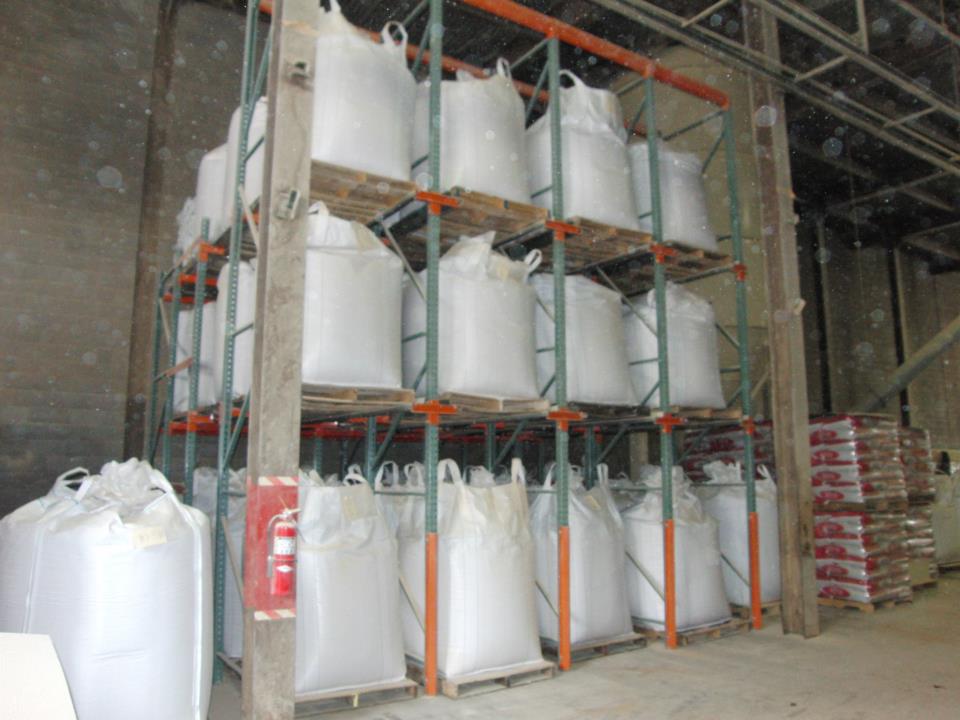
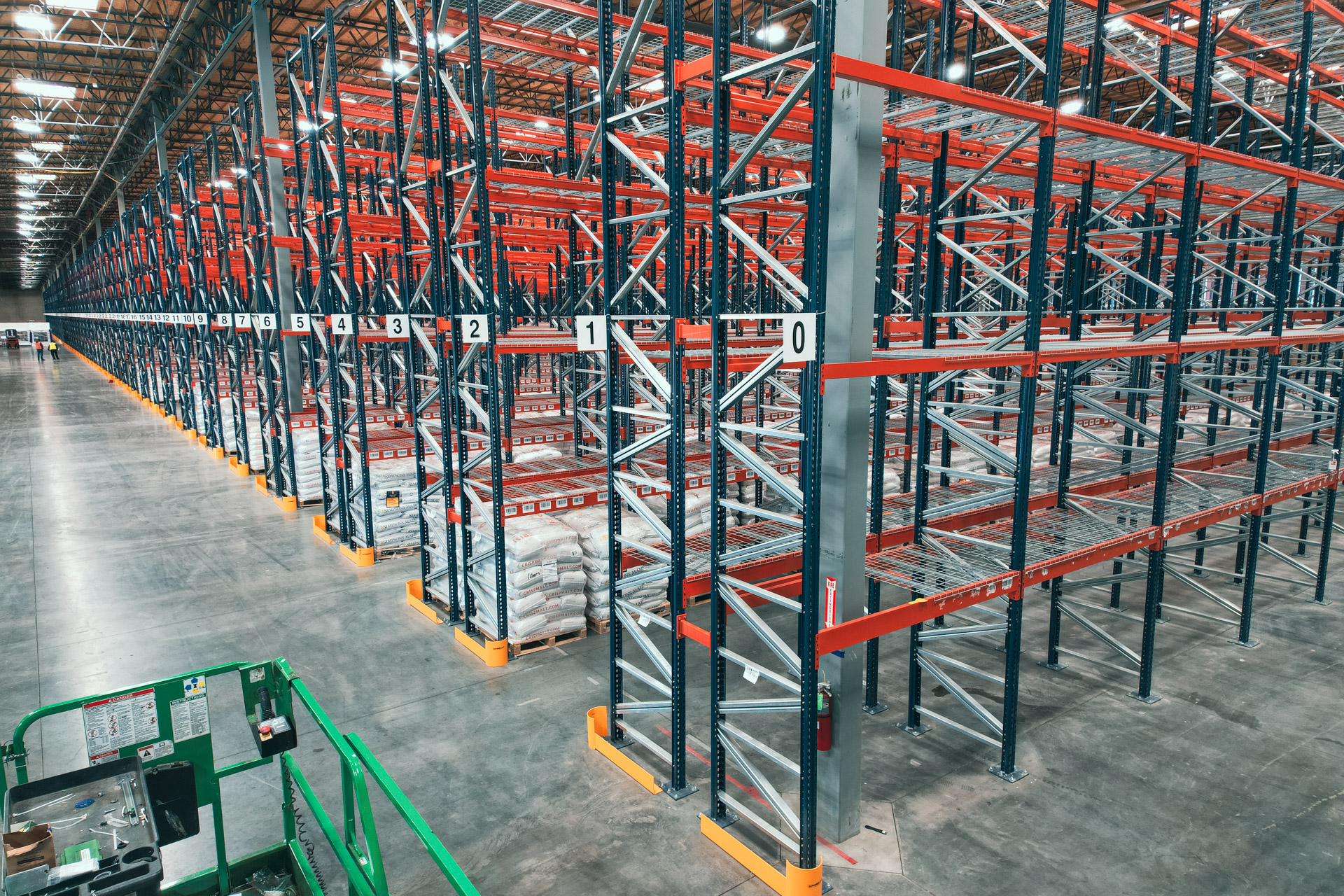
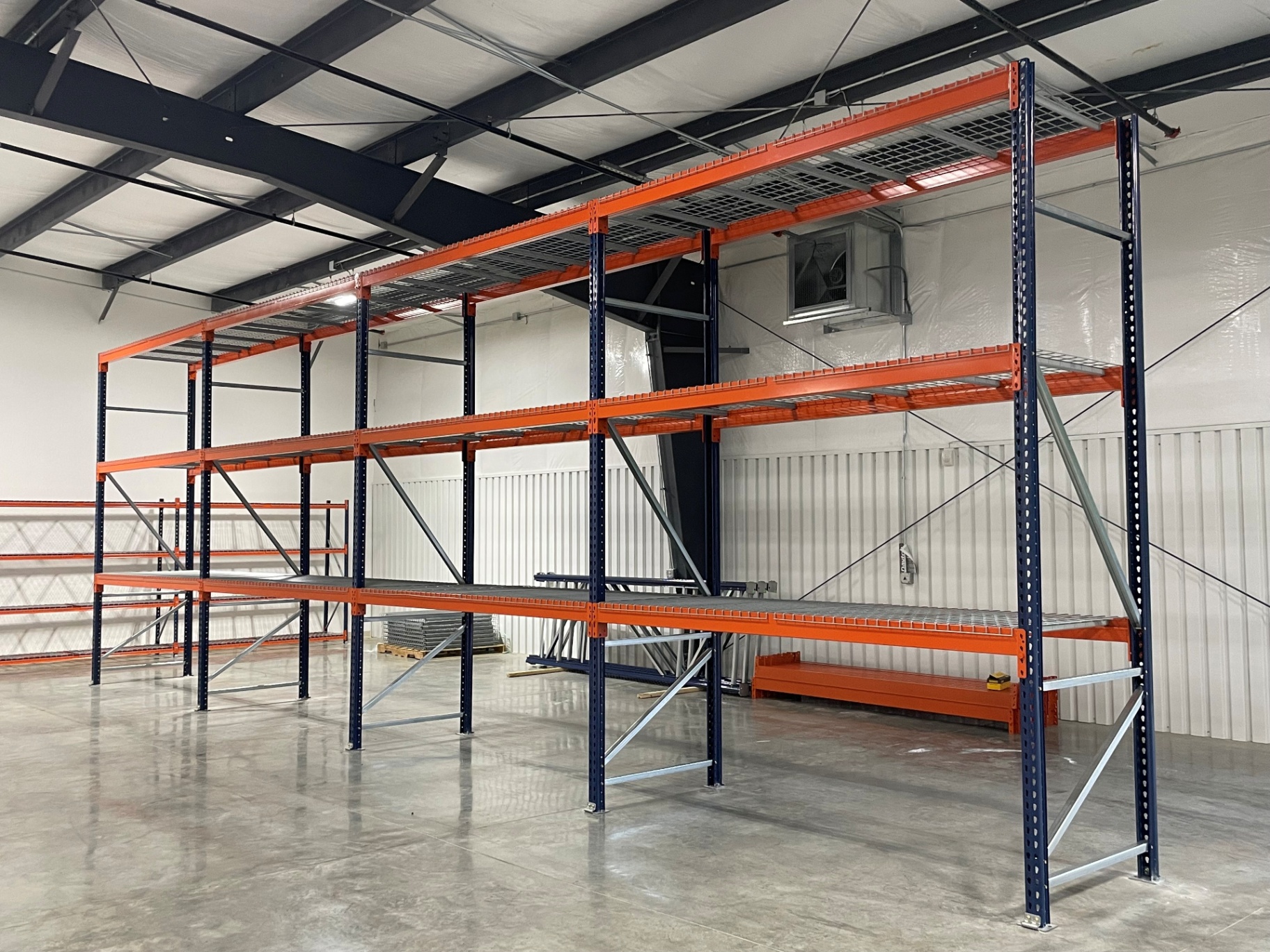
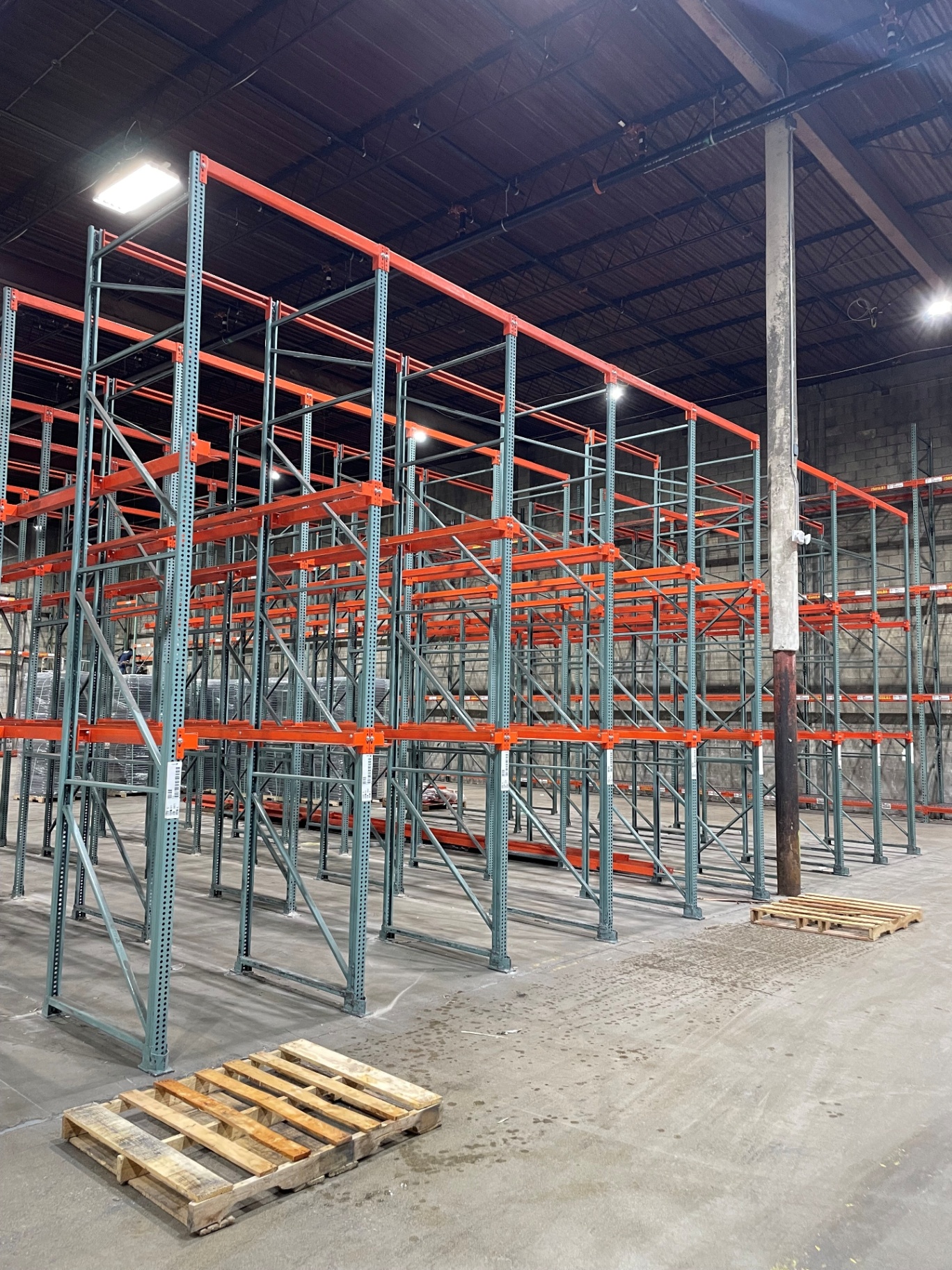
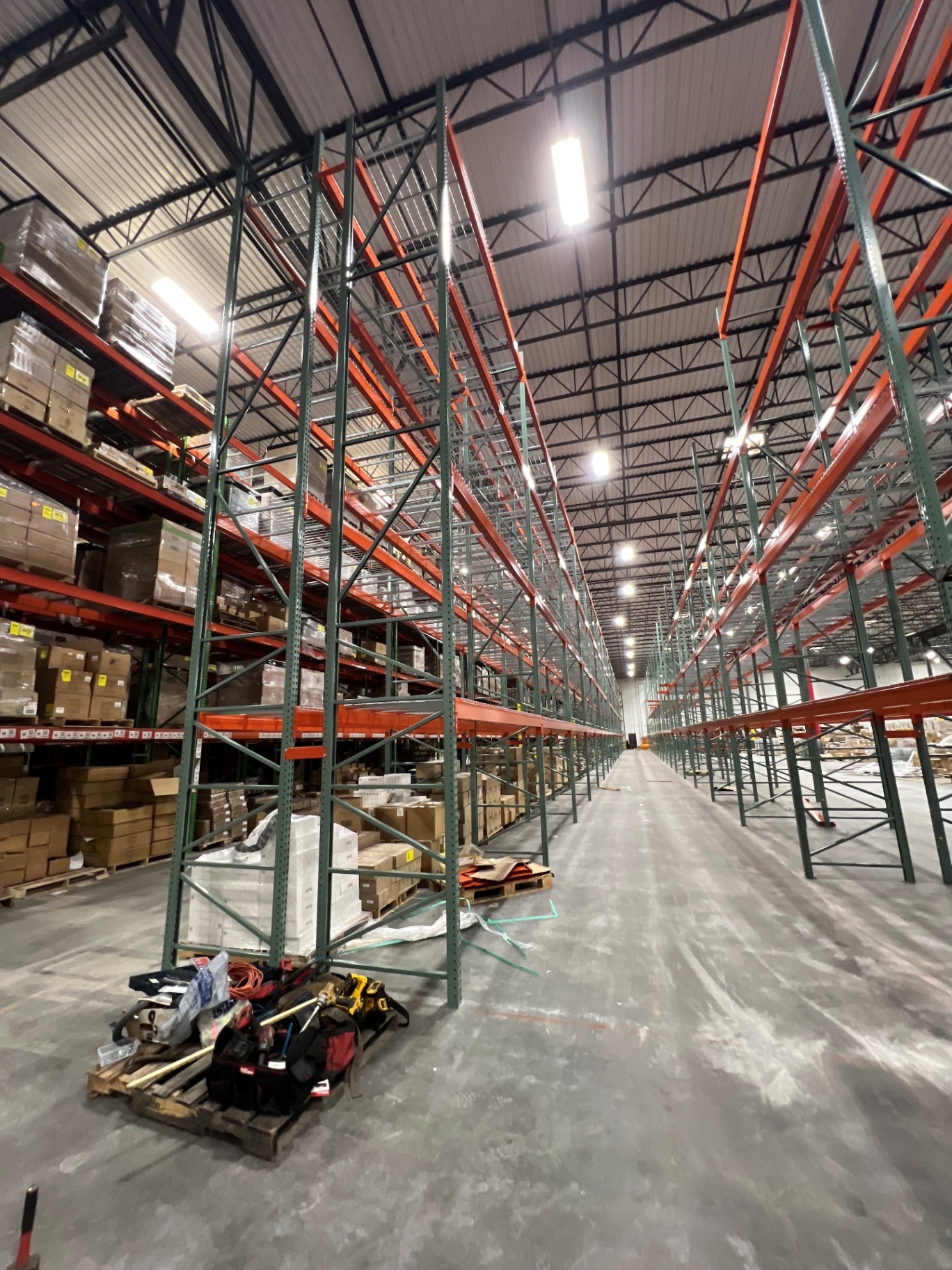
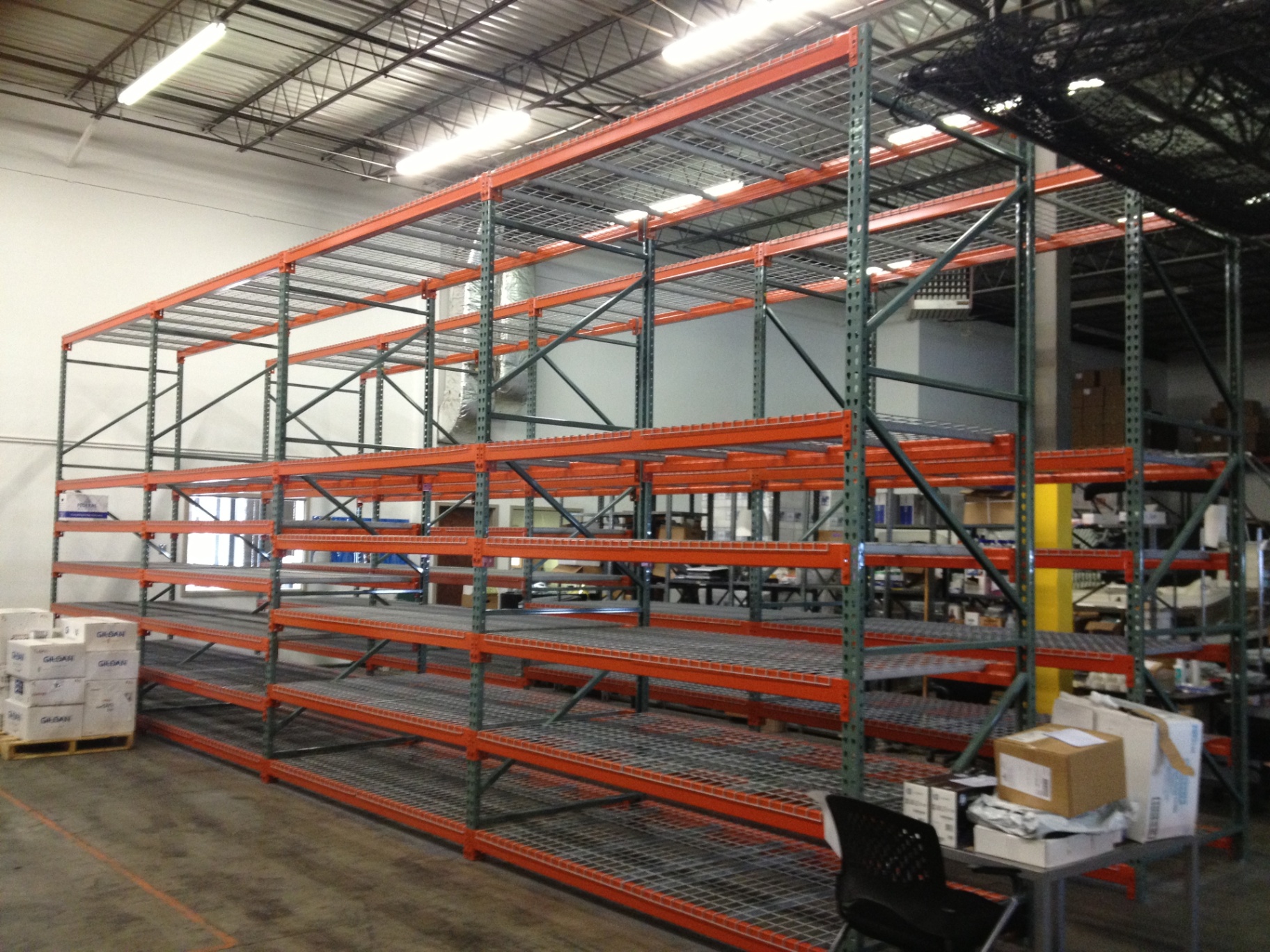
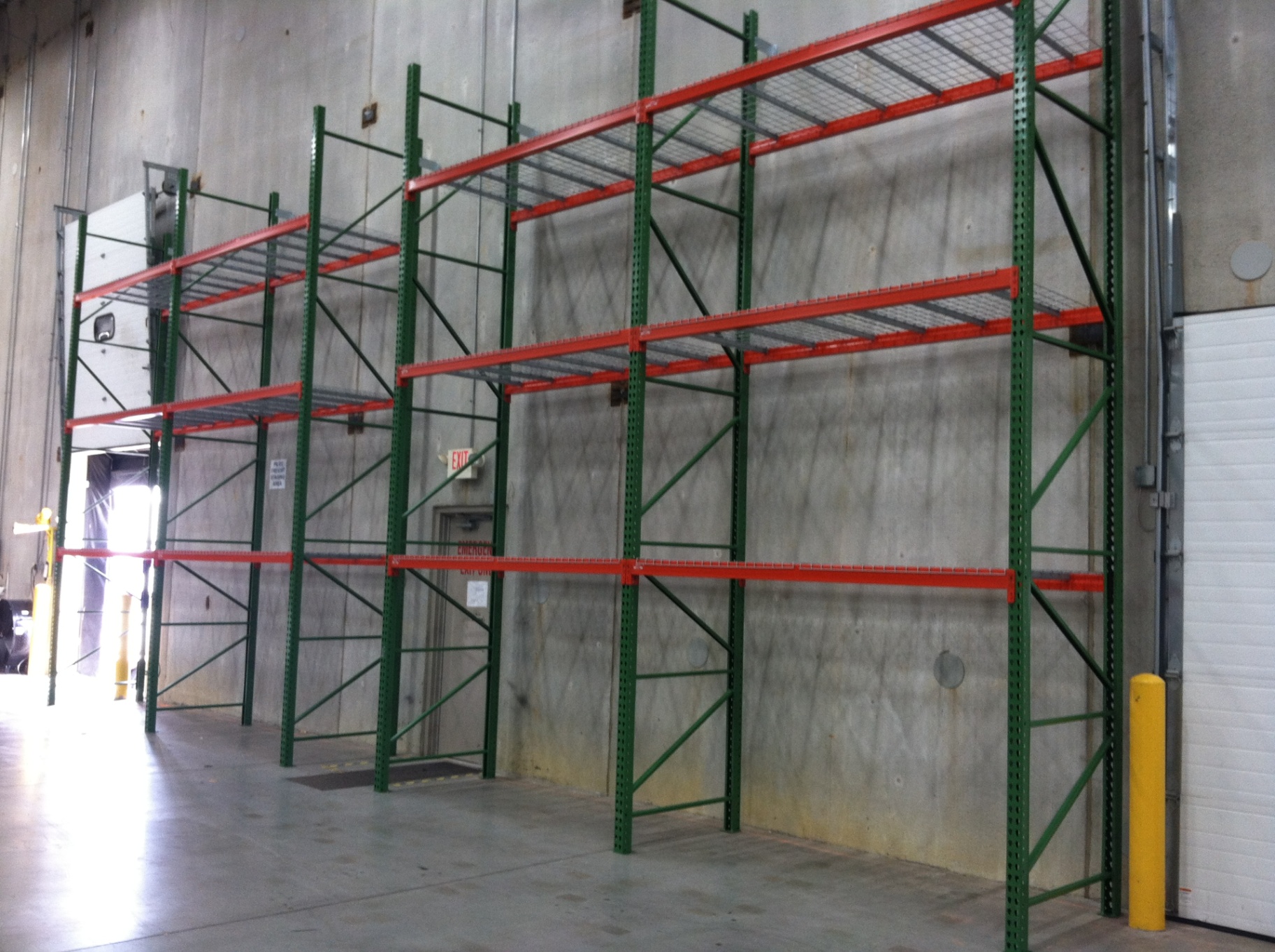
The decision usually comes down to SKU count, pallet depth per SKU, and how often each item moves. Selective racking gives 100% pallet access and suits broad SKU counts, while push back and drive-in systems trade some selectivity for far higher storage density. During a free design consultation we model your pallet volumes and lift equipment against each option so you can see the density and throughput tradeoff before committing.
Can you increase our storage capacity without expanding the building?
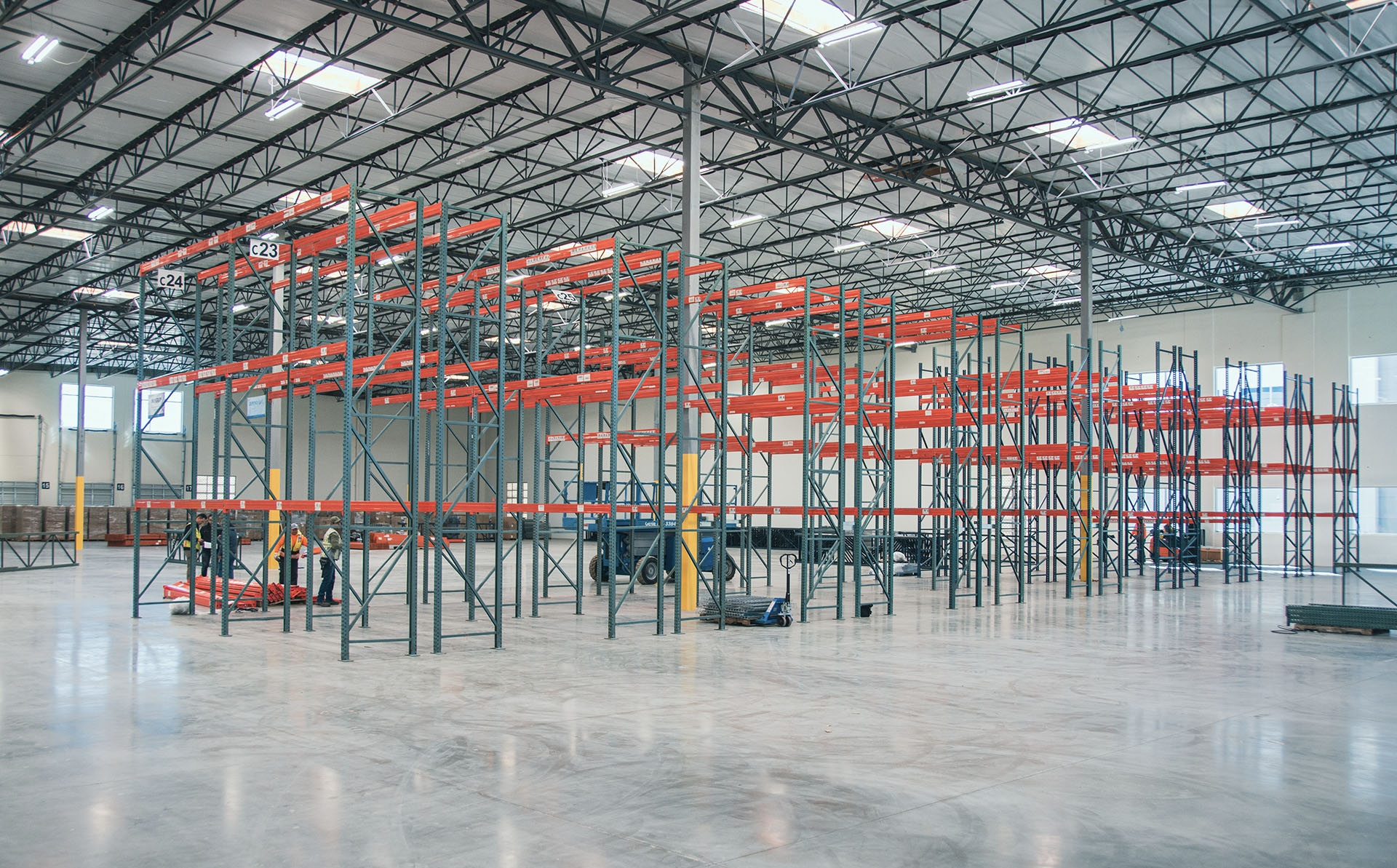
In most Dallas-Fort Worth facilities, yes. We look at clear height, existing beam levels, aisle widths, and the lift equipment you already own, then rework the layout to add levels or convert selective bays into higher-density racking. It is common to gain 20-40% more pallet positions inside the same four walls, and we show the gain in a CAD layout before anything is ordered.
What does your free warehouse design consultation include?
We review your storage profile, product mix, and operating goals, then produce a CAD layout with pallet positions, aisle dimensions, and an itemized quote for the racking. There is no charge and no obligation. If you are comparing two or three layout scenarios, we will draw them side by side so your team can evaluate capacity against workflow.
Which pallet rack system works best for cold storage or high-density operations?
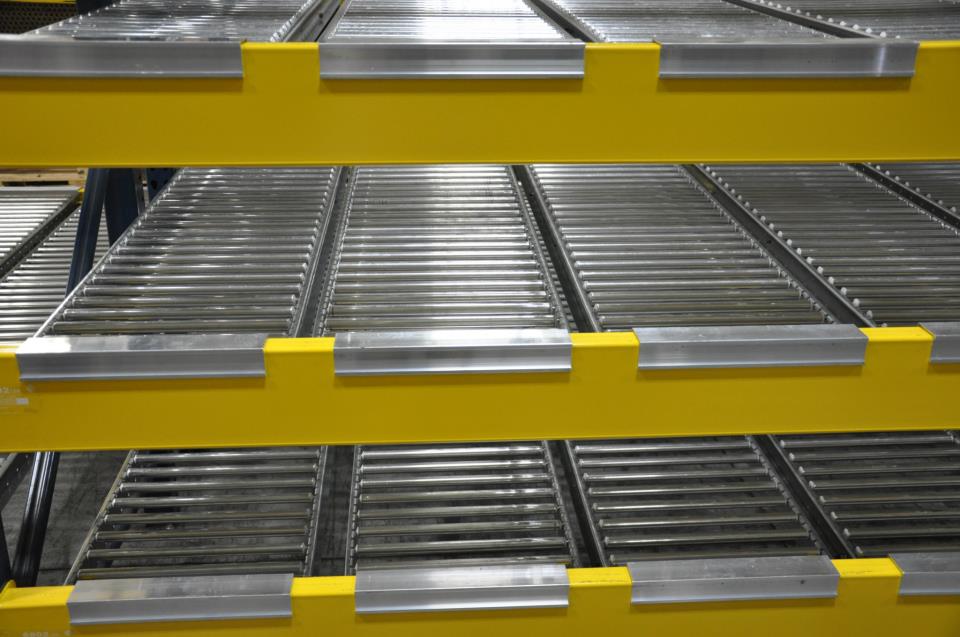
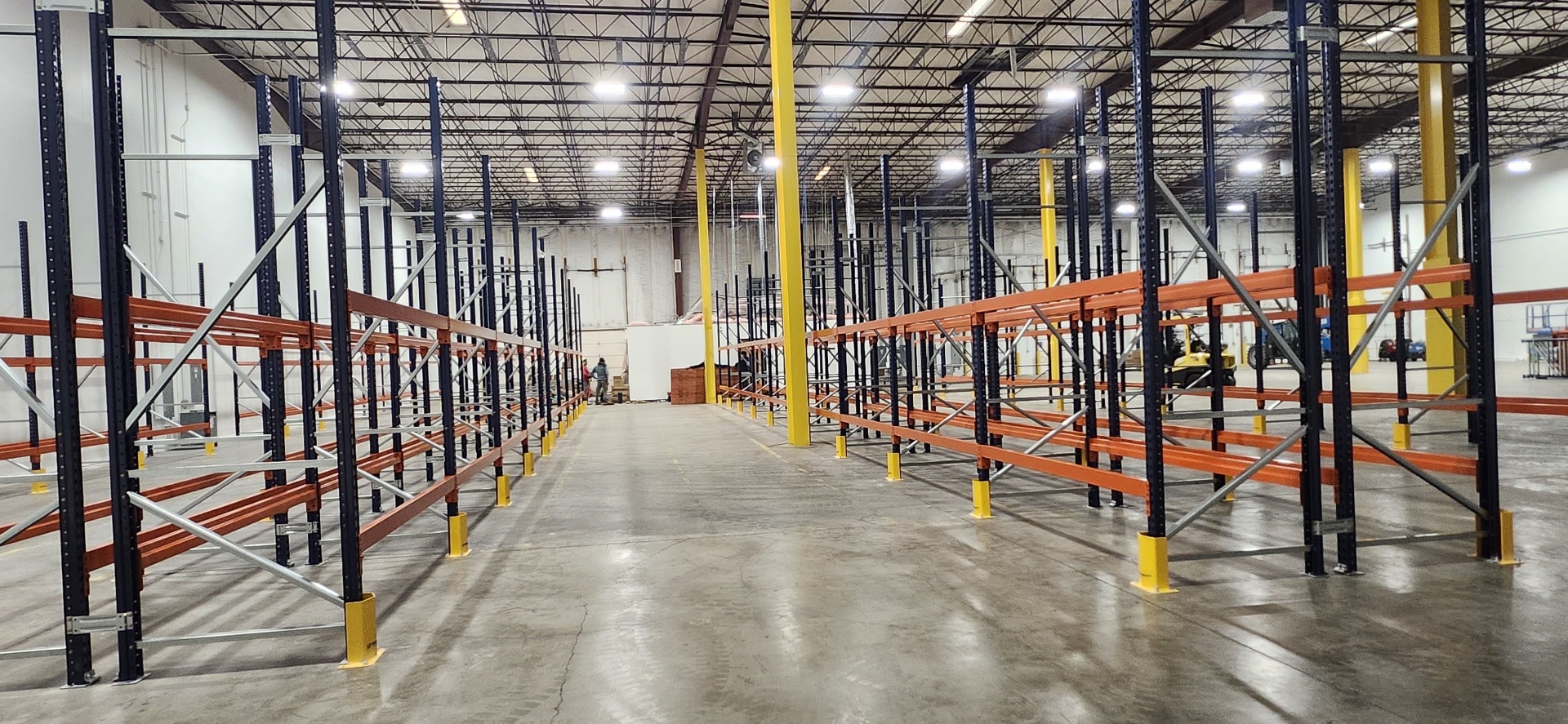
High-density applications where every cubic foot carries cost typically favor pallet flow, push back, or drive-in racking, since they eliminate most aisles. Pallet flow suits FIFO food and beverage operations, push back suits LIFO staging, and drive-in works well for low-SKU, high-pallet-count inventory. We size the depth of each lane around your daily pick volume so the density does not create a bottleneck.
How do you determine the capacity rating our racking needs?
Capacity is driven by pallet weight, beam length, the number of pallets per level, and upright configuration, not by a single number on a spec sheet. We size the frames and beams around your heaviest realistic load rather than the average, then confirm the load rating for each configuration in writing. Load capacity plaques are provided so your team knows the limits at a glance.
What is a realistic timeline for a warehouse racking project?
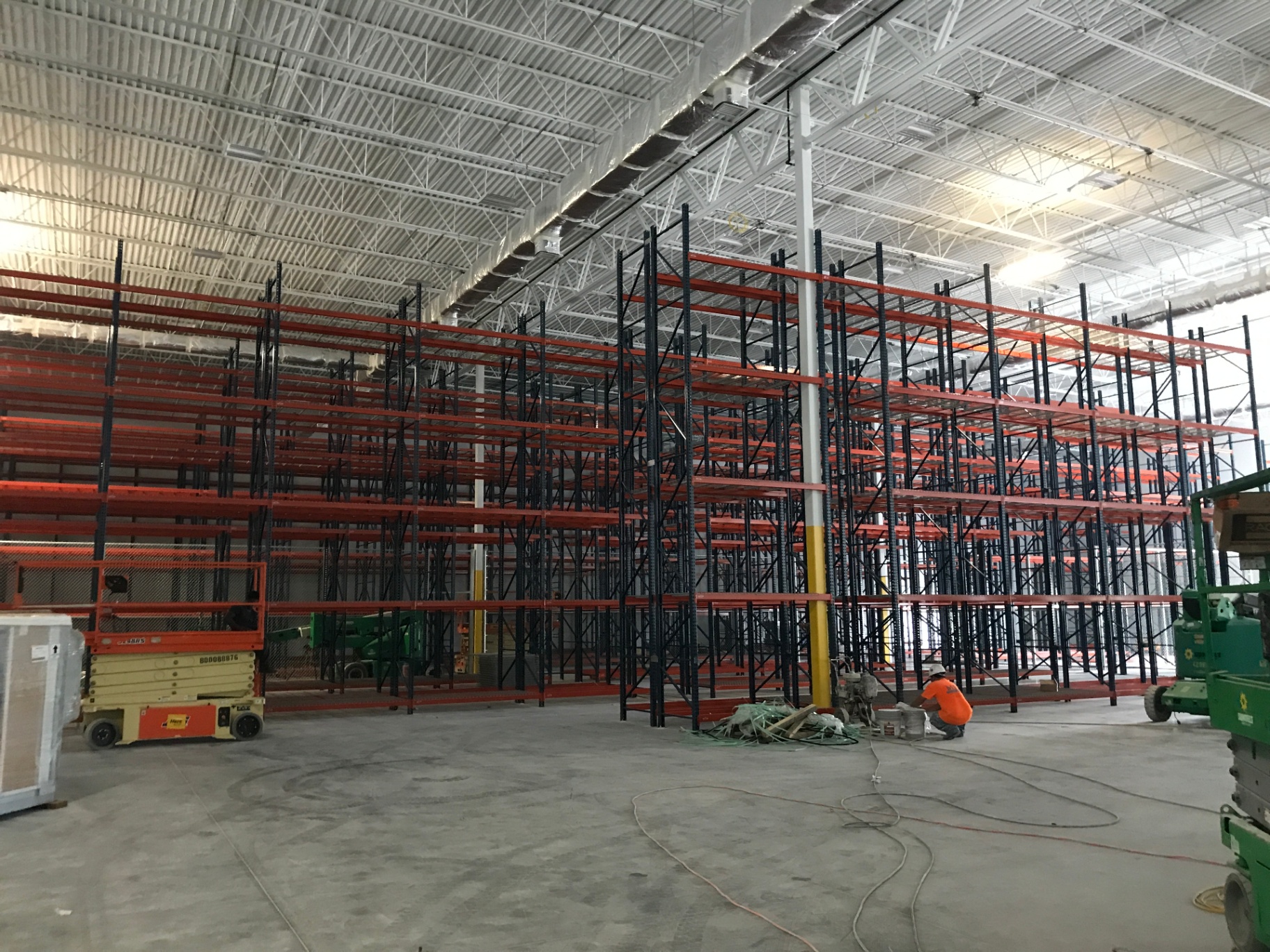
Standard pallet rack components frequently ship within days, and a typical DFW installation runs one to four weeks from approved layout to completed system. Larger projects and specialty systems such as pallet flow take longer to fabricate. We give you a firm schedule up front and keep you posted at each stage instead of leaving you guessing.
Can you phase an installation around our shipping schedule?
Yes. Most operations cannot stop receiving or shipping while racking goes in, so we sequence the installation zone by zone and work evenings or weekends when that keeps your dock moving. Our project manager coordinates directly with your operations lead so the crew is never in the way of a truck.
Can you expand or reconfigure the racking we already have?
Frequently, yes. We evaluate your existing uprights and beams, confirm what can be reused, and design the expansion so new and old sections tie together cleanly. Reconfiguring current racking is often the fastest way to add capacity, and we will tell you honestly when replacement is the better long-term investment.
How much does pallet rack cost?
It depends on pallet positions, height, beam capacity, decking, freight, and installation, so there is no honest per-bay number without your details. Send us your pallet size, heaviest load per level, clear height, and building size, and we will come back with a free CAD layout and an itemized quote.
How much weight can pallet rack hold?
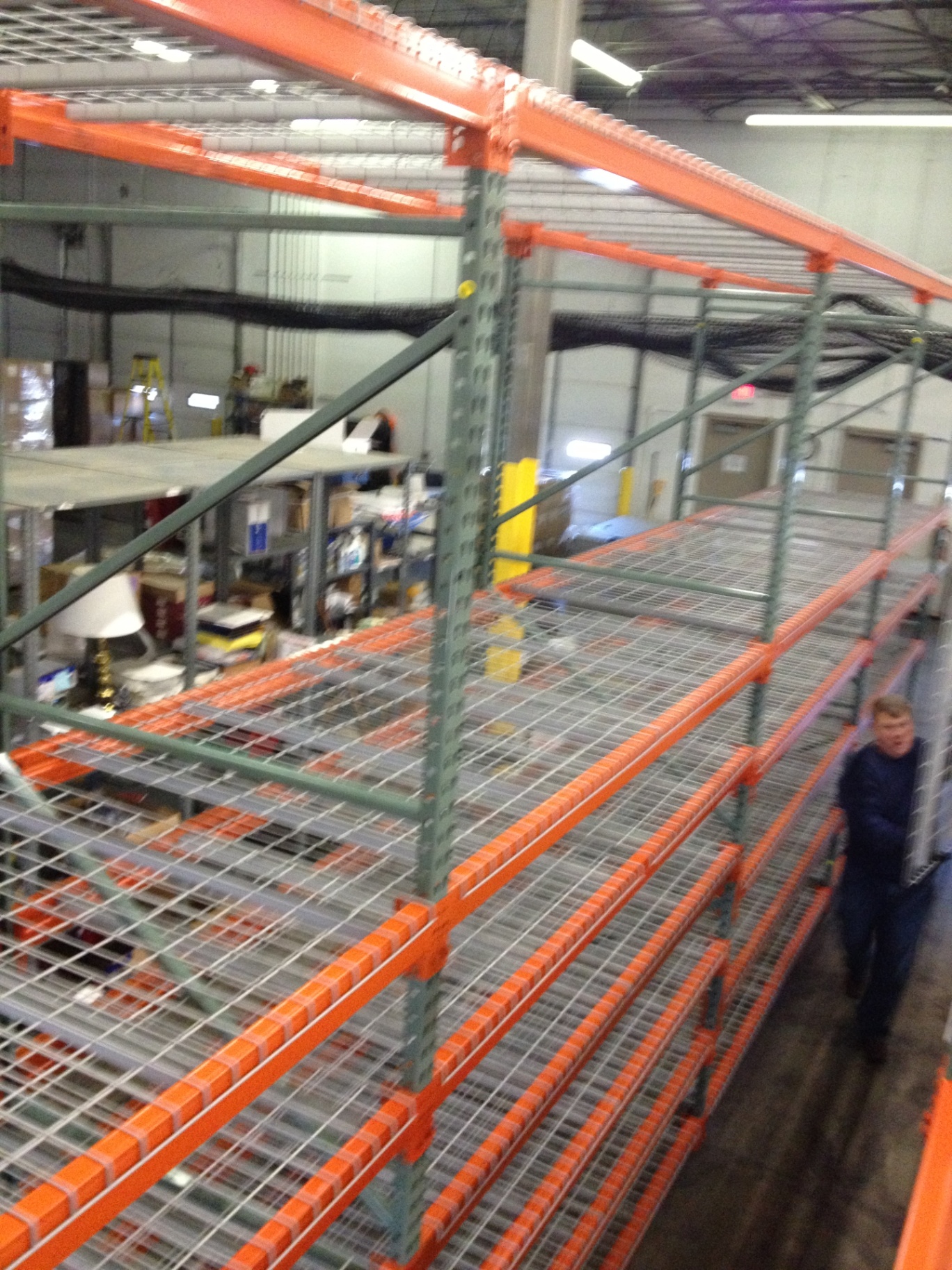
Beam capacity is rated per pair, per level, and frame capacity depends on frame height and beam spacing. We size beams and frames from your heaviest pallet, and the rated capacities go on load plaques at installation.
What kind of support do we get after installation?
You keep a direct line to the same local team that designed and installed the system. That covers adding levels as inventory grows and layout advice when your product mix changes. Being based in Arlington means we can respond quickly to Dallas-Fort Worth customers rather than routing everything through a national call center.
Do you work with third-party logistics providers and multi-site operators?
Yes. We support 3PLs, distributors, and manufacturers running one building or several, and we design layouts that stay flexible as client accounts and inventory shift. For multi-site operators we keep specifications consistent so components and load ratings match from building to building.