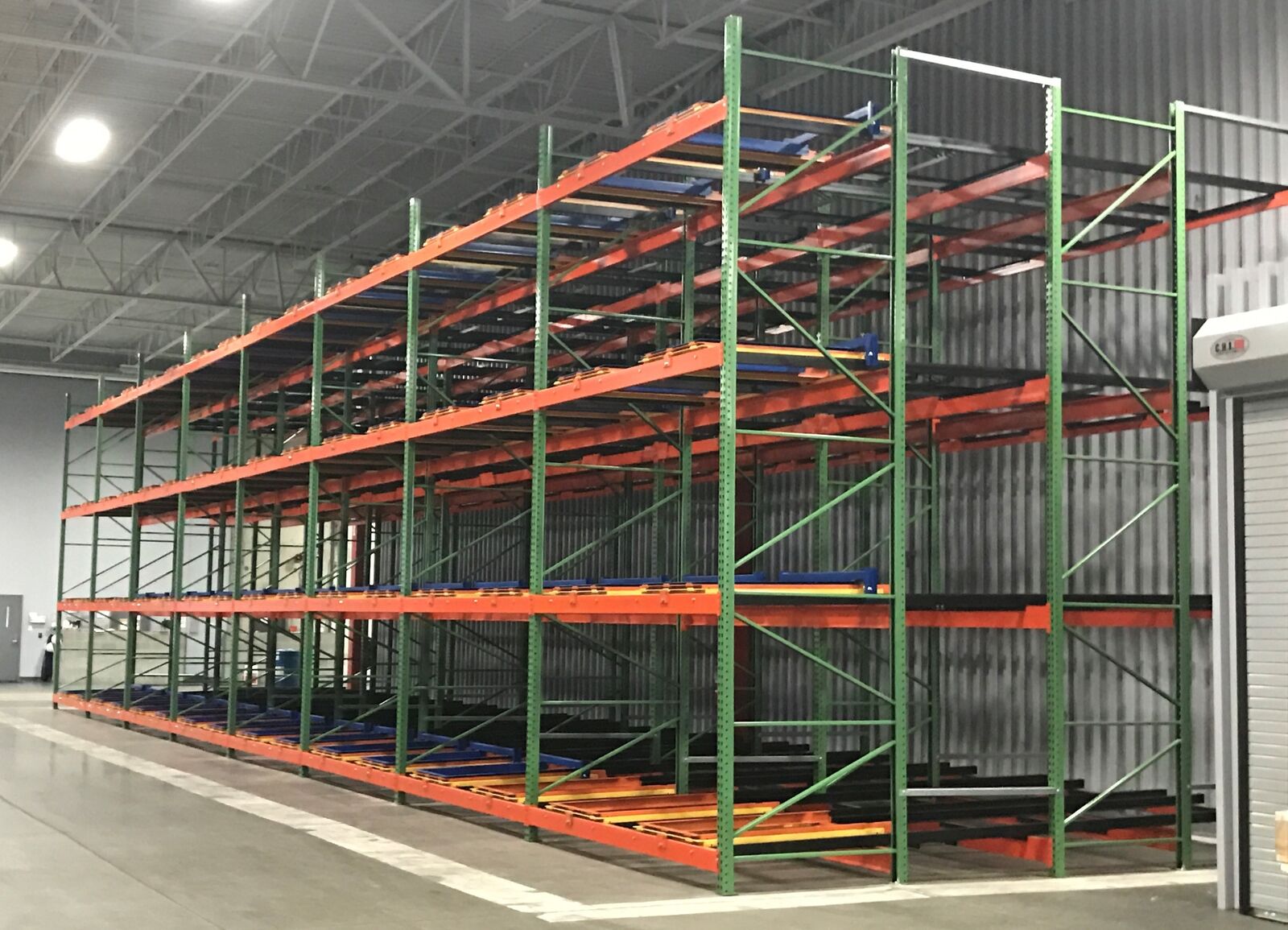
Pushback Rack in Richardson, TX
Richardson's Innovation Quarter, also known as The IQ, gives real local context to a storage conversation involving technology and manufacturing. A store with many components can need precise access more than additional depth. Before changing the rack arrangement, distinguish recurring reserve loads from the varied parts and containers needed for individual production tasks.
Pushback rack can be a reserve option for Richardson items held in several recurring pallets, but it does not create independent access to a broad component list. In The IQ, compare quantities per reserve SKU with the individual releases needed by production. Keep revision-sensitive or separately requested stock outside a retrieval sequence that blocks it.
Compare pushback rack with a Free Design Consultation, CAD layout, and itemized quote from Dallas Pallet Racks, a division of Warehouse Equipment & Supplies Co.
Why Richardson Warehouses Work With Us
The IQ and Richardson's historic Telecom Corridor are geographic and industrial reference points, not evidence of any customer's storage process. For a technology-oriented operation, compare the range of components with the quantities held per item. A broad parts list and a repeated full-pallet lot create different requirements for accessibility and reserve storage.
Our Free Design Consultation helps translate those requirements into a CAD layout. Separate the active component store from replenishment reserve and show how material travels to the work it supports. The discussion should explain which items can share a storage sequence and which must be selected independently, rather than assuming all inventory belongs in one configuration.
For a facility using US 75, receiving and dispatch still need floor assignments inside the proposal. Your itemized quote identifies the proposed components and scope, giving the operations team a basis for comparing access, stored quantity, and the room needed for handling.
Evaluate pushback for repeat reserve stock and retain direct access to varied active parts. Recheck lane assignments when product revisions alter quantities; LIFO reserve retrieval should not determine which component the next production task can obtain.
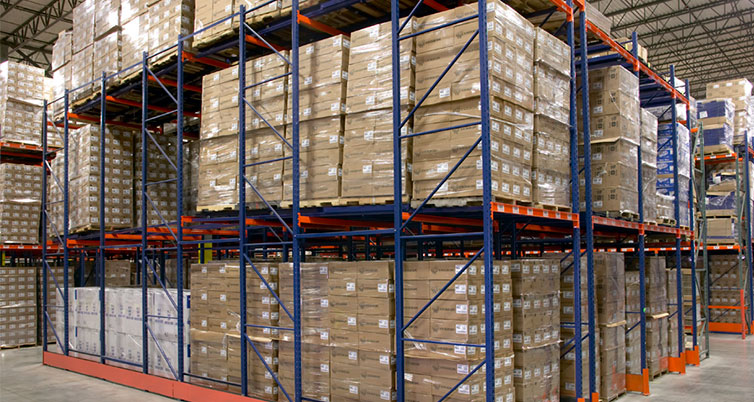
Operations We Rack Around Here
Serving warehouses around Telecom Corridor, Plano Parkway, Greenville Avenue, Glenville.
How Pushback Rack Works
Two to six pallets deep from one aisle, without giving up much reach.
Loading from the aisle
The driver sets the first pallet on the front cart. Each pallet added after that pushes the cart train deeper into the lane, so one aisle handles the whole depth.
Carts nested on rails
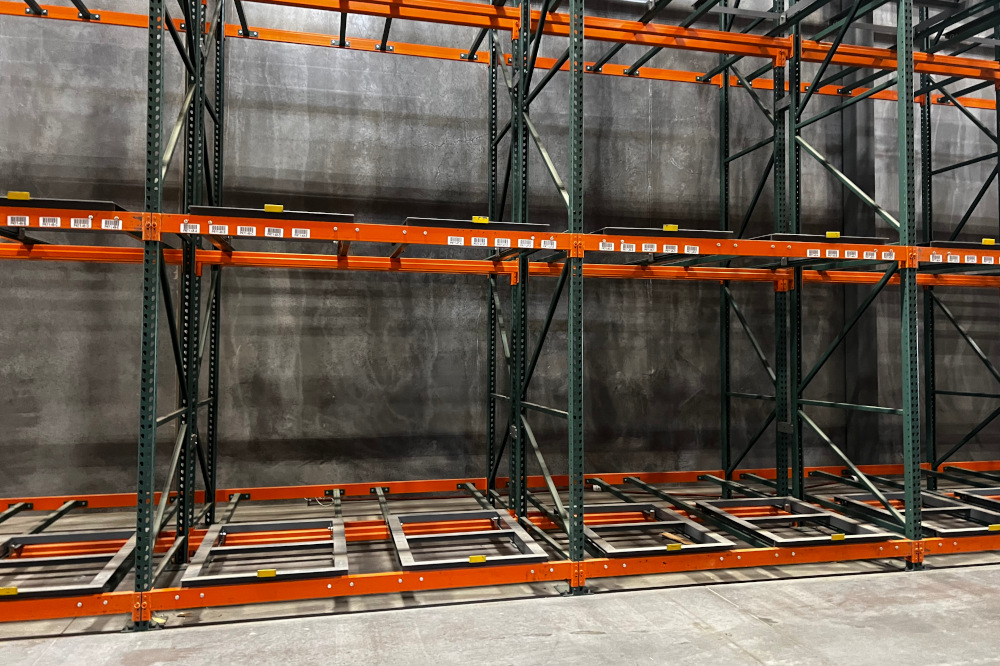
Steel carts with nylon or steel wheels ride inclined rails, each nesting under the one ahead of it - that nesting is what makes multi-deep storage possible from a single face.
Retrieval by gravity
Pull the front pallet and the next cart rolls forward on the incline to the pick face. No driving into the lane, no repositioning pallets by hand.
Last in, first out
Each lane runs LIFO. That suits fast-turning product and any operation managing rotation by lane rather than by individual pallet date.
What a Pushback Rack Project Includes
A pushback rack project begins with a discussion of your inventory and handling goals. We consider the stored loads, their weight range, how often they move, and which items need immediate access. For Richardson operations, keep direct access for varied parts inventory while adding reserve depth. That local layout consideration is evaluated alongside the system’s basic storage requirements rather than treated as a reason to choose the same rack for every building.
The CAD proposal shows the storage arrangement, usable levels, access routes, and pallet positions. Next we set lane depth. Deeper lanes store more, but only pay off if you actually carry that many pallets per SKU - so we compare a two-deep and a four-deep version of the same footprint and show what each does to total positions and to how many pick faces you're left with. Where comparing two rack types is useful, the discussion explains what changes in access, rotation, and capacity. The result is a layout you can review with your operations team rather than a quantity of rack without an operating plan.
Your itemized quote identifies the rack structure, load-support components, and accessories included in the scope. Product availability, delivery, and installation are discussed before the order proceeds; the schedule depends on the selected system and project size. The quote covers frames, beams, rails, carts, and guarding, itemized so you can see exactly what the added density costs per position - the number that matters more than the sticker price. Rails and carts are set and tested at installation, and cart travel is verified in every lane before handover.
After approval, the project moves forward against the agreed layout and scope. The documentation provides a reference for storage assignments and rated capacities. If the inventory mix later changes, you can discuss additional pallet positions, a different lane arrangement, or a complementary rack type without assuming every existing component can be reused. Compatibility and capacity must be checked for the proposed configuration.
Recent Installations
Racking projects completed for warehouses across Dallas–Fort Worth.


Get a Pushback Rack Quote for Your Richardson Warehouse
Send the basics and we will follow up with a layout and pricing. Prefer to talk it through? Call (214) 380-2954.
Dallas Pallet Racks
2442 S Collins St.
Ste 108 #2359
Arlington, TX 76014
(214) 380-2954Monday - Friday: 8:00 AM - 6:00 PM
Pushback Rack Questions We Hear Most
How deep can a pushback lane go?
Two to six pallets deep is the practical range. Lanes beyond four deep only pay off if you consistently hold that many pallets per SKU - we size lane depth from your inventory profile, not by maxing out the rail.
How does push back racking compare to drive-in rack?
Both store deep from one face. With pushback the forklift stays in the aisle and gravity does the work, which avoids driving within the rack structure. Drive-in goes deeper and costs less per position, but the driver has to enter the lane to place and pull loads.
Will my drivers need retraining?
Operators should receive system-specific instruction before use. Pushback requires controlled loading and unloading, correct pallet placement, and attention to moving carts; familiarity with selective rack alone is not sufficient.
What load capacities are available?
Cart and rail assemblies are commonly rated 2,500 to 4,000 lb per pallet, with heavier configurations available. We specify to your heaviest pallet with margin and hand over ratings for the finished lane.
Can pushback go into an existing selective row?
Often. Bay width and frame depth have to suit the cart and rail assembly, so we verify your current frames and connector style first, then convert the bays that work and leave the rest selective.
Can Richardson revision-sensitive components share pushback lanes with general reserve?
Only if the assignment preserves the required release sequence. If a specific revision or pallet must be selected independently, use direct-access storage rather than placing it behind another pallet in a pushback lane.
How should an IQ component store place reserve replenishment beside pushback rack?
Keep reserve handling distinct from the active component release. The next material request should remain accessible while another container or pallet is brought in to replenish the store. Evaluate pushback for repeat reserve stock and retain direct access to varied active parts. Recheck lane assignments when product revisions alter quantities; LIFO reserve retrieval should not determine which component the next production task can obtain.
What should a Richardson technology operation compare when product revisions change stock assigned to pushback rack?
A product revision can change the number of active parts and the container mix without increasing stock per part. Review assignments and access instead of assuming the original storage depth remains appropriate. Only if the assignment preserves the required release sequence. If a specific revision or pallet must be selected independently, use direct-access storage rather than placing it behind another pallet in a pushback lane.
Other Rack Types We Supply in Richardson
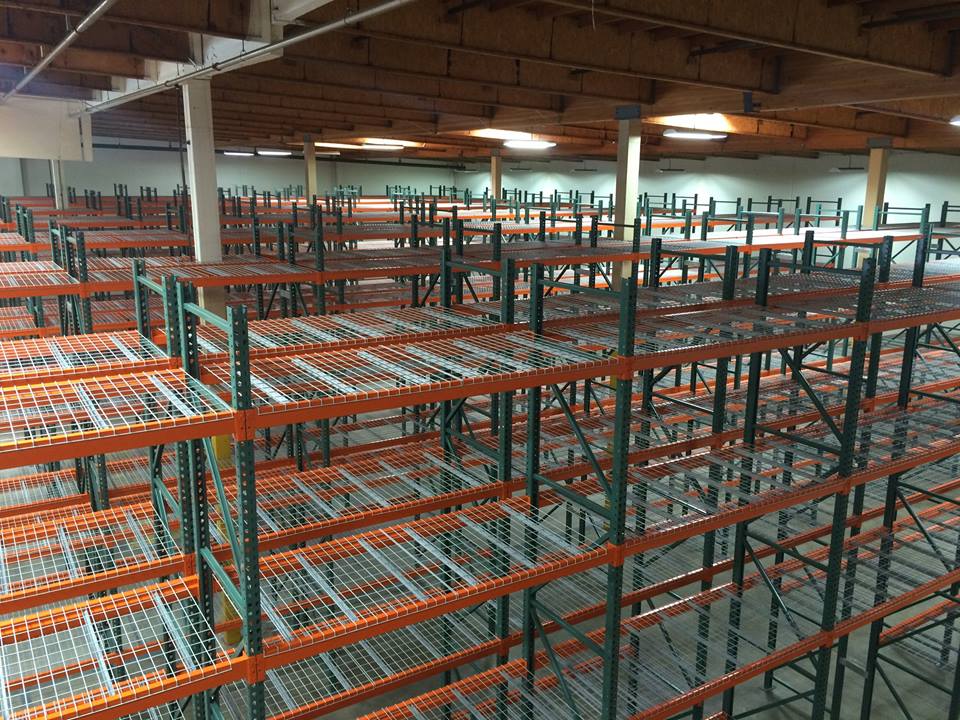
Pallet Rack
Every pallet reachable, every time. The baseline we size everything else against.
View details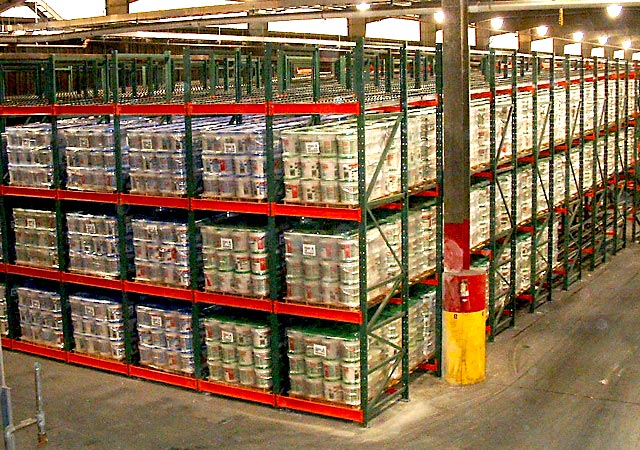
Pallet Flow Rack
Load one side, pick the other, and let gravity enforce first in, first out.
View details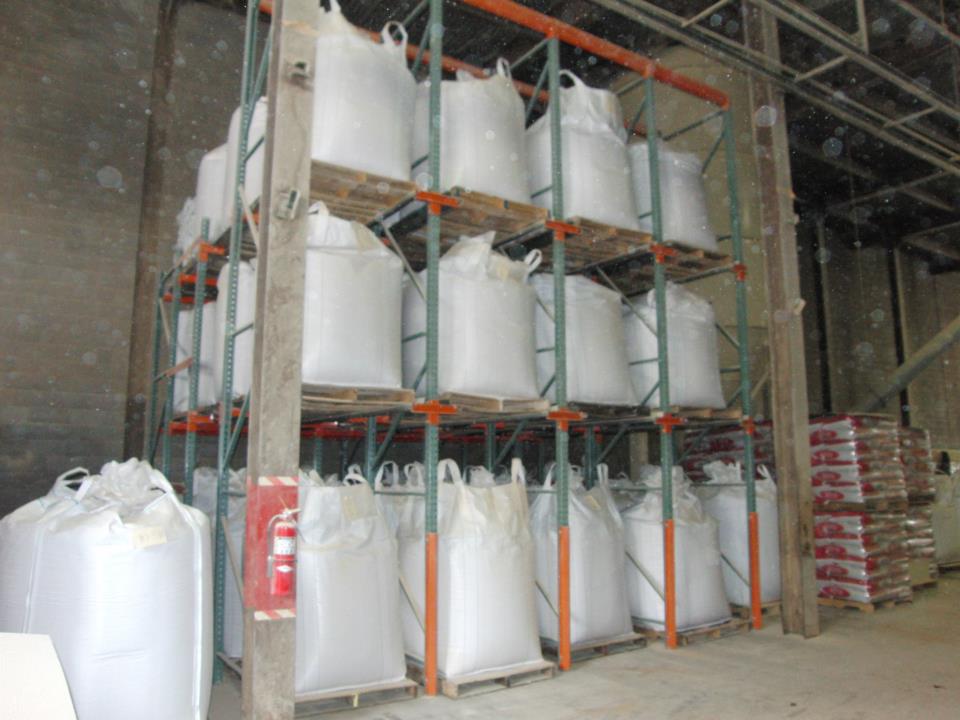
Drive-In Rack
Deep storage lanes replace intermediate aisles. The forklift enters the structure to place and retrieve pallets.
View details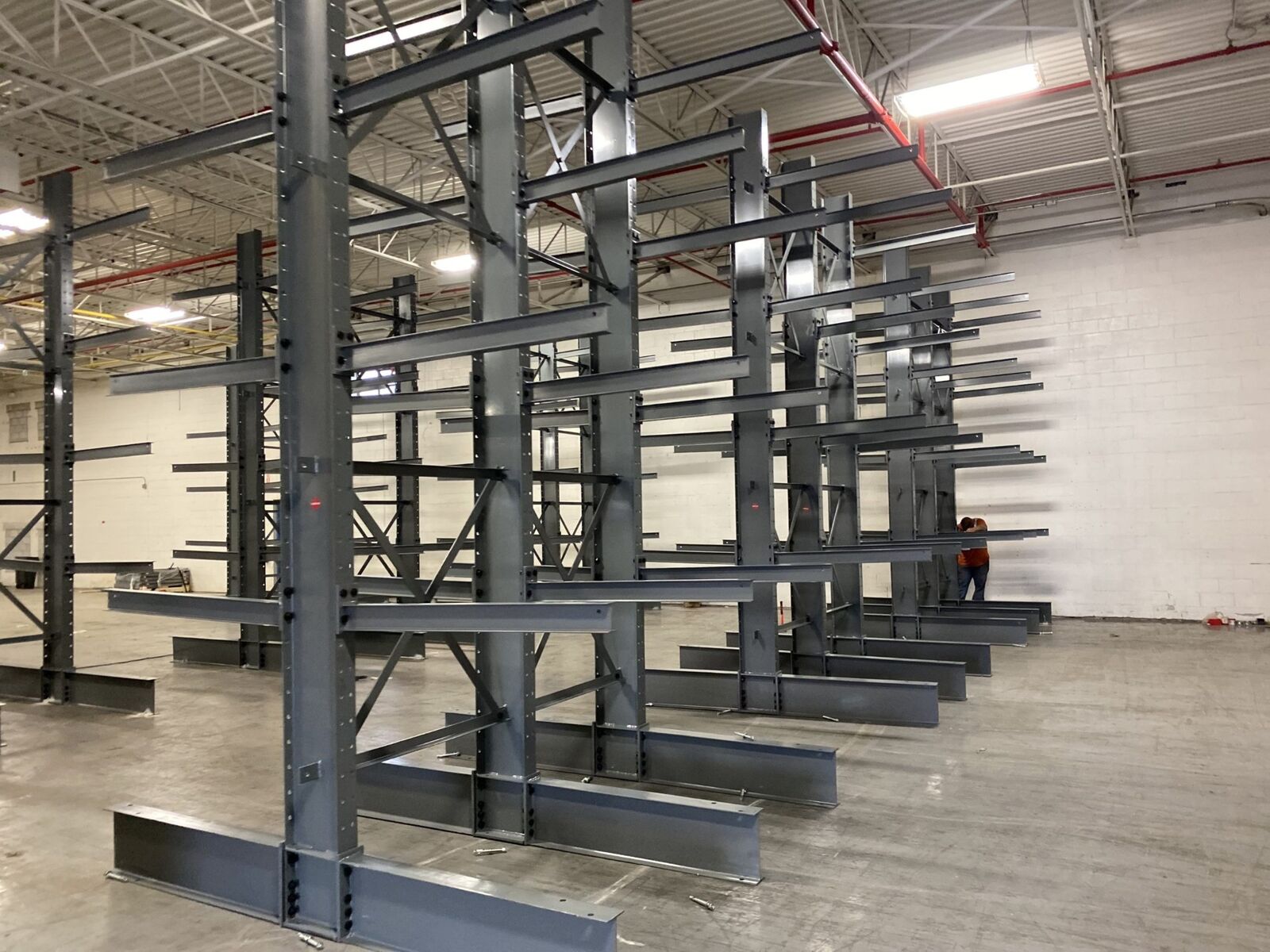
Cantilever Rack
Arms with nothing in front of them, built for lumber, pipe, and anything a pallet can't hold.
View details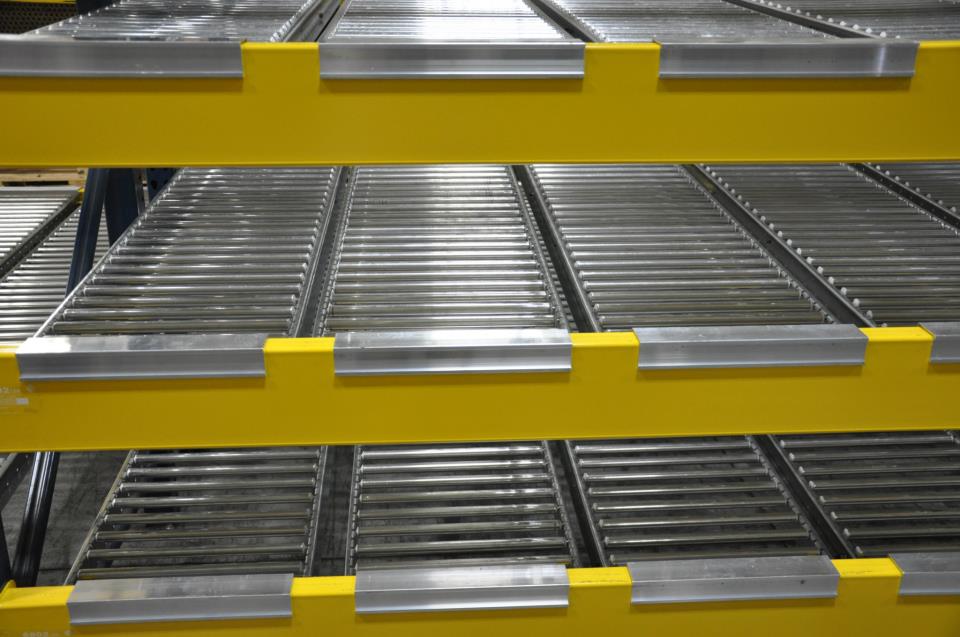
Carton Flow Rack
Cases advance to the picker instead of the picker hunting for cases.
View detailsNearby Areas We Also Serve
We serve the Dallas–Fort Worth metroplex with storage layouts, rack supply, and installation. Compare the same rack type in another service area below.
Where We Work
Based in Arlington, we serve the DFW metroplex with industrial pallet racks and warehouse storage solutions.
Dallas Pallet Racks
Address
2442 S Collins St.
Ste 108 #2359
Arlington, TX 76014
Phone
(214) 380-2954Business Hours
Monday - Friday: 8:00 AM - 6:00 PM
Saturday: Closed
Sunday: Closed
Need Pushback Rack in Richardson?
Call (214) 380-2954 or request a quote and we will get a layout started.