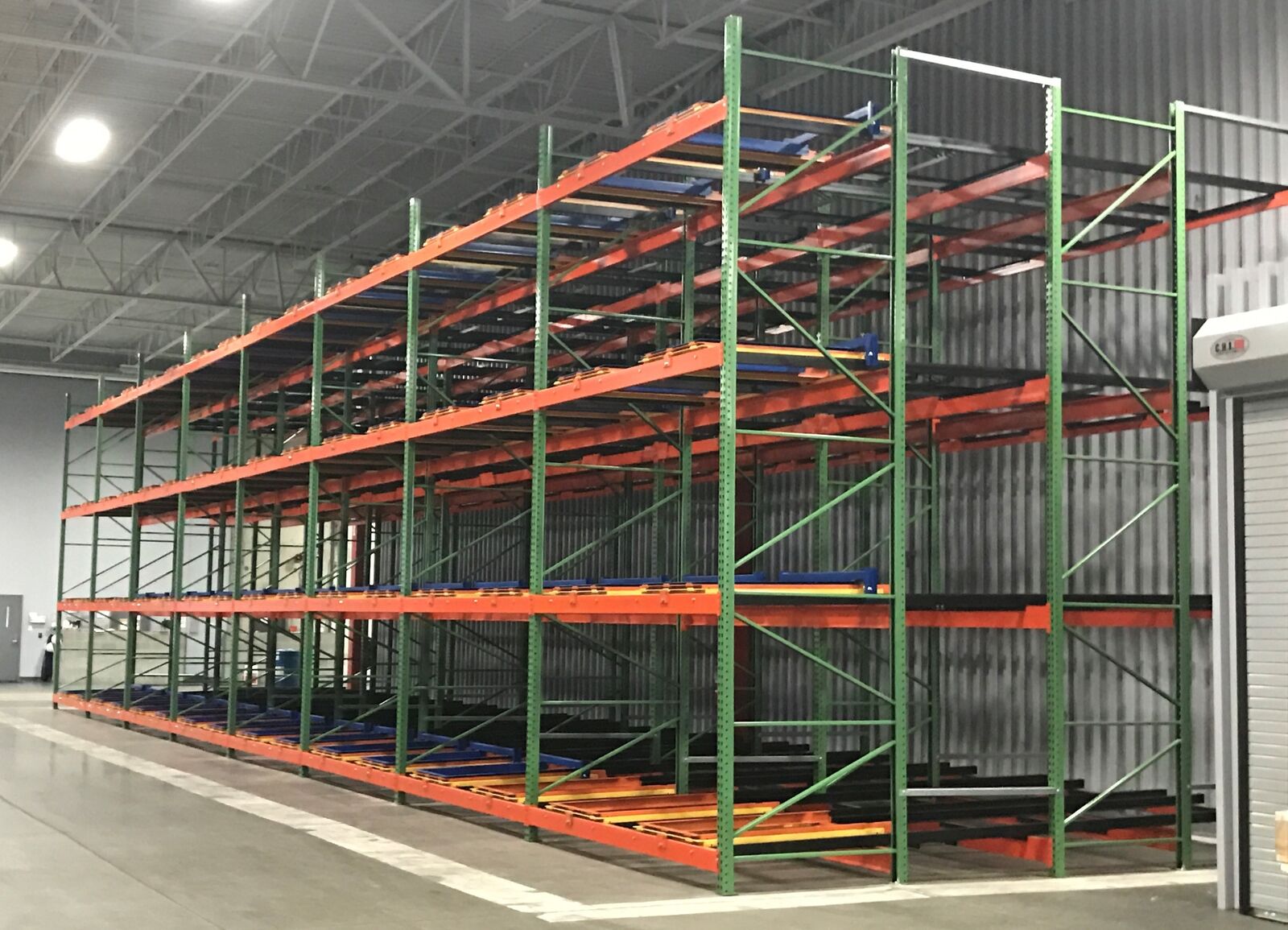
Pushback Rack in McKinney, TX
McKinney's Business and Aviation District near McKinney National Airport provides real local context for manufacturing-related storage. The challenge in a growing store can be more part numbers, different containers, or larger reserve lots, and those changes do not call for the same rack response. Compare the new inventory mix before extending the existing rows.
Pushback rack can support McKinney reserve growth when additional quantity concentrates in recurring SKUs. It is less suited to a growing list of independently selected parts. Compare these conditions near the Business and Aviation District so a capacity project preserves active access instead of treating every new product line as deeper reserve.
Compare pushback rack with a Free Design Consultation, CAD layout, and itemized quote from Dallas Pallet Racks, a division of Warehouse Equipment & Supplies Co.
Why McKinney Warehouses Work With Us
The Business and Aviation District is a geographic anchor for McKinney manufacturing activity, not a reason to assume every warehouse handles the same goods. A store expanding its product range can need additional accessible assignments even when stock per item stays small. Another operation may instead need room for repeated reserve lots.
We compare those two growth patterns through a Free Design Consultation and CAD layout. Discuss which items must be selected individually and which can share a deeper storage sequence, then show the paths between receiving, reserve, and active work. Adding another line of rack should answer a defined inventory problem rather than simply reproduce the previous arrangement.
For a facility connected to US 75, include outbound staging and material movement in the proposal. Your itemized quote gives the team a clear component scope so it can compare the storage decision with the way inventory may change as product lines expand.
Compare recurring pallets per reserve item with the expanding active SKU list. Keep independent parts access in another zone, and reassess lane assignments when the inventory mix changes rather than assuming the original cart-lane depth remains useful.
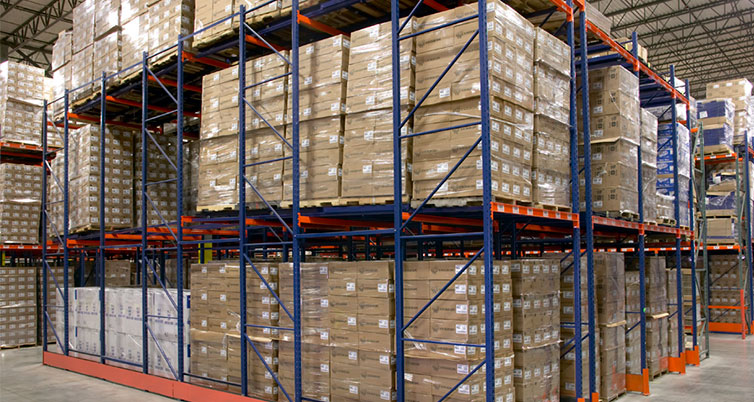
Operations We Rack Around Here
Serving warehouses around Craig Ranch, US 75 corridor, McKinney National Airport area, 121 / Sam Rayburn.
How Pushback Rack Works
Two to six pallets deep from one aisle, without giving up much reach.
Loading from the aisle
The driver sets the first pallet on the front cart. Each pallet added after that pushes the cart train deeper into the lane, so one aisle handles the whole depth.
Carts nested on rails
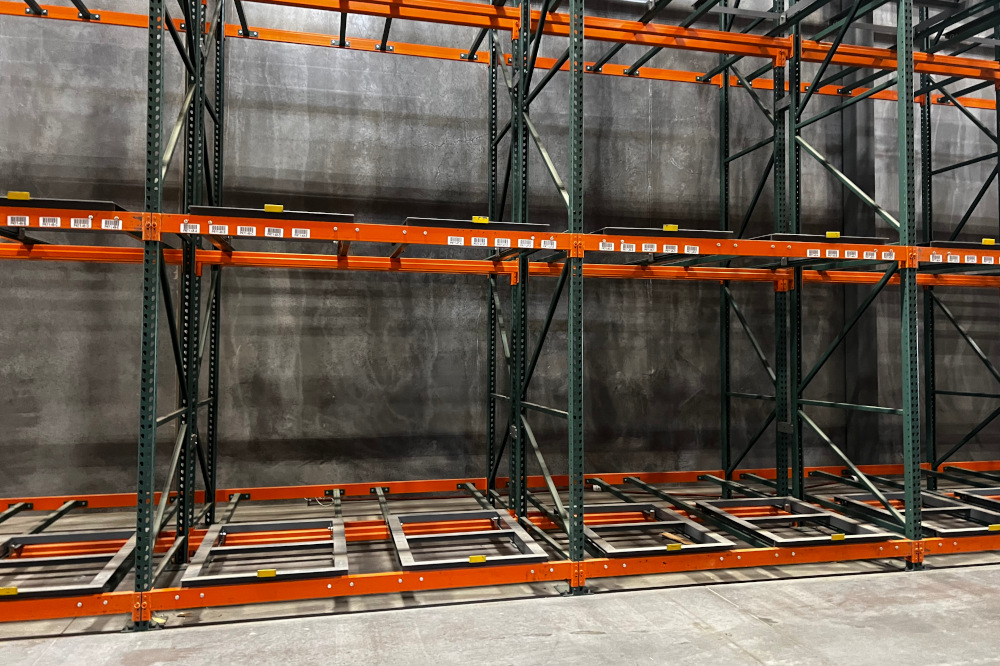
Steel carts with nylon or steel wheels ride inclined rails, each nesting under the one ahead of it - that nesting is what makes multi-deep storage possible from a single face.
Retrieval by gravity
Pull the front pallet and the next cart rolls forward on the incline to the pick face. No driving into the lane, no repositioning pallets by hand.
Last in, first out
Each lane runs LIFO. That suits fast-turning product and any operation managing rotation by lane rather than by individual pallet date.
What a Pushback Rack Project Includes
A pushback rack project begins with a discussion of your inventory and handling goals. We consider the stored loads, their weight range, how often they move, and which items need immediate access. For McKinney operations, keep growing SKU variety accessible while adding reserve capacity near US 75. That local layout consideration is evaluated alongside the system’s basic storage requirements rather than treated as a reason to choose the same rack for every building.
The CAD proposal shows the storage arrangement, usable levels, access routes, and pallet positions. Next we set lane depth. Deeper lanes store more, but only pay off if you actually carry that many pallets per SKU - so we compare a two-deep and a four-deep version of the same footprint and show what each does to total positions and to how many pick faces you're left with. Where comparing two rack types is useful, the discussion explains what changes in access, rotation, and capacity. The result is a layout you can review with your operations team rather than a quantity of rack without an operating plan.
Your itemized quote identifies the rack structure, load-support components, and accessories included in the scope. Product availability, delivery, and installation are discussed before the order proceeds; the schedule depends on the selected system and project size. The quote covers frames, beams, rails, carts, and guarding, itemized so you can see exactly what the added density costs per position - the number that matters more than the sticker price. Rails and carts are set and tested at installation, and cart travel is verified in every lane before handover.
After approval, the project moves forward against the agreed layout and scope. The documentation provides a reference for storage assignments and rated capacities. If the inventory mix later changes, you can discuss additional pallet positions, a different lane arrangement, or a complementary rack type without assuming every existing component can be reused. Compatibility and capacity must be checked for the proposed configuration.
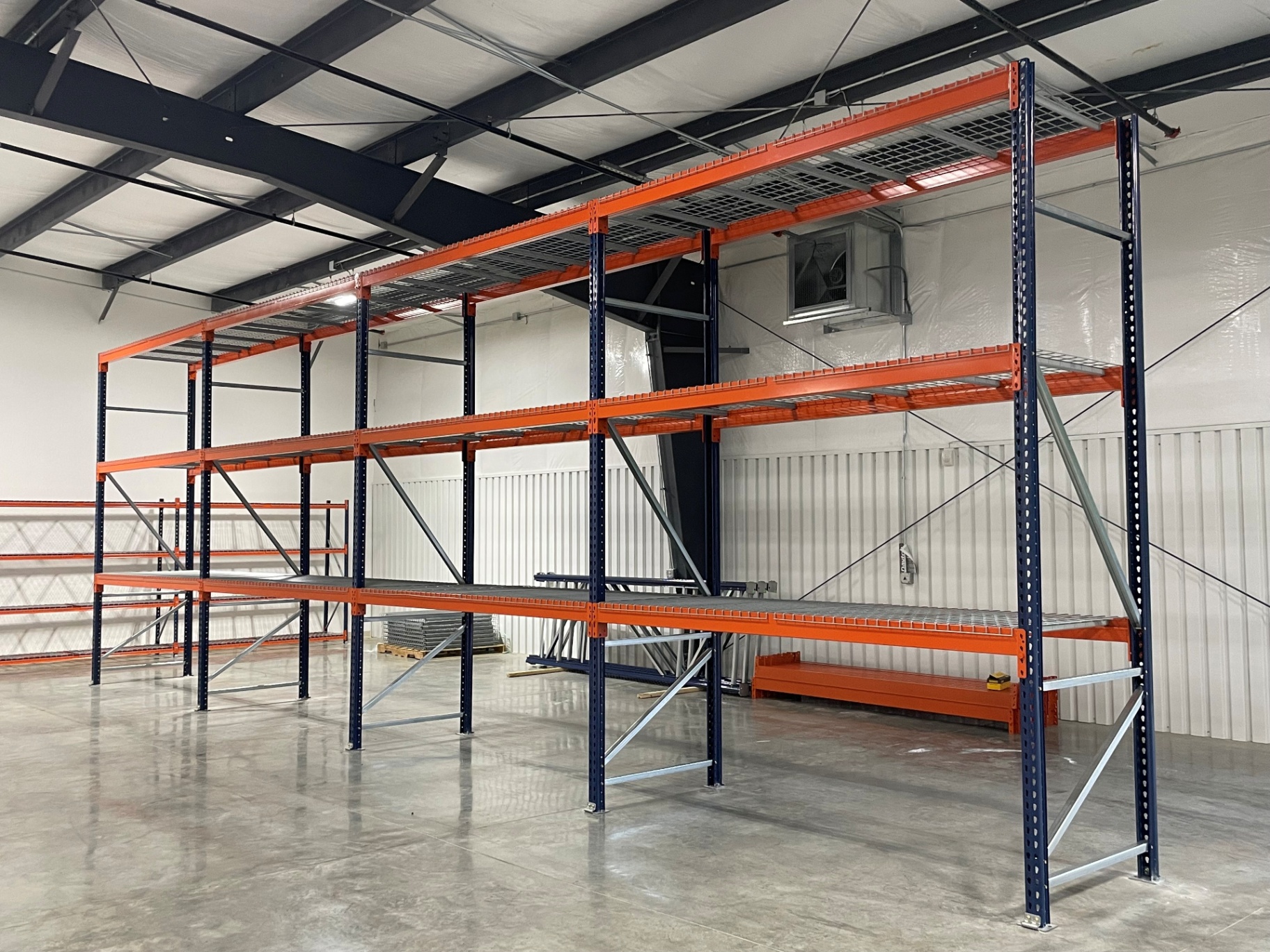
Recent Installations
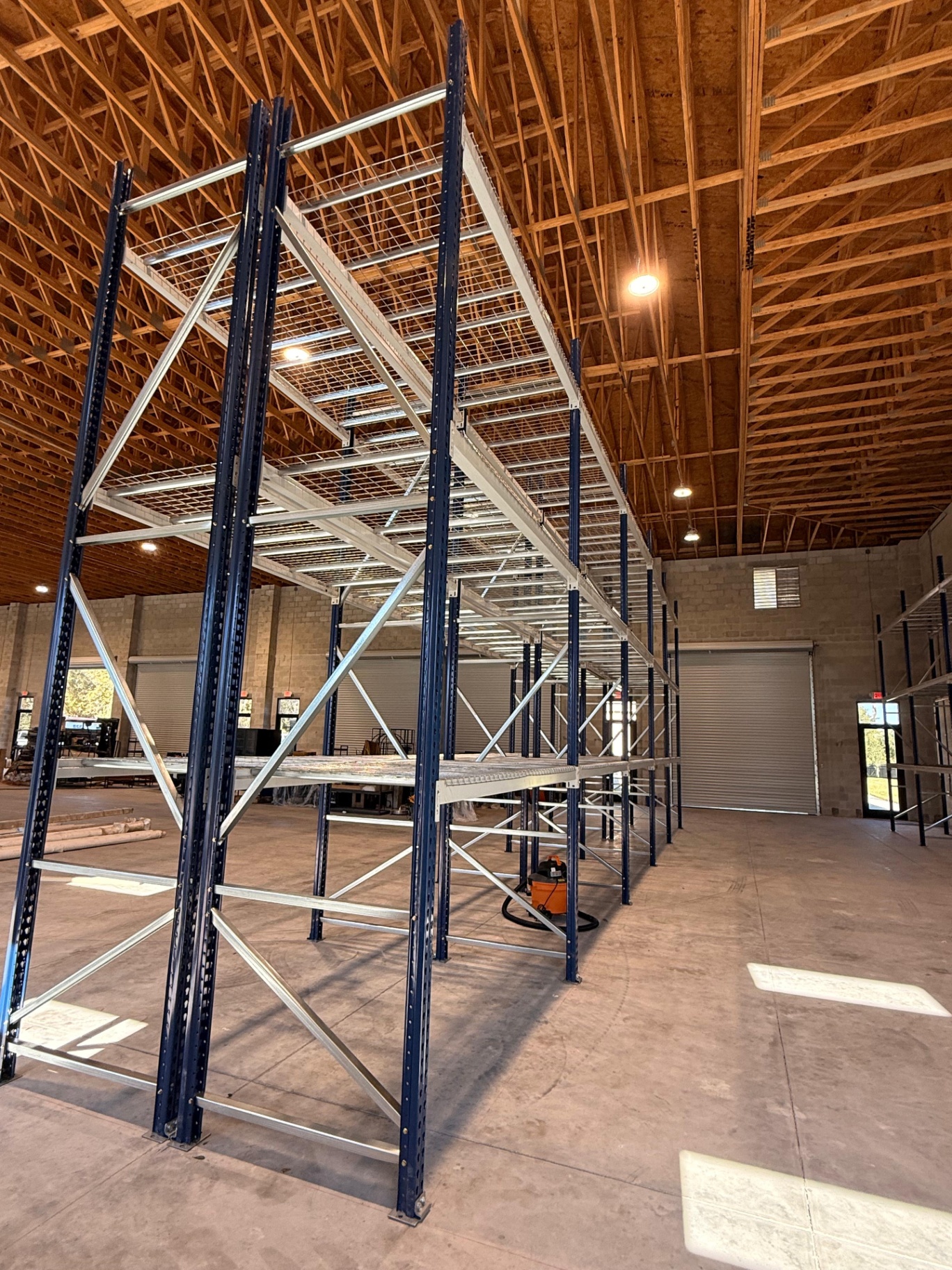
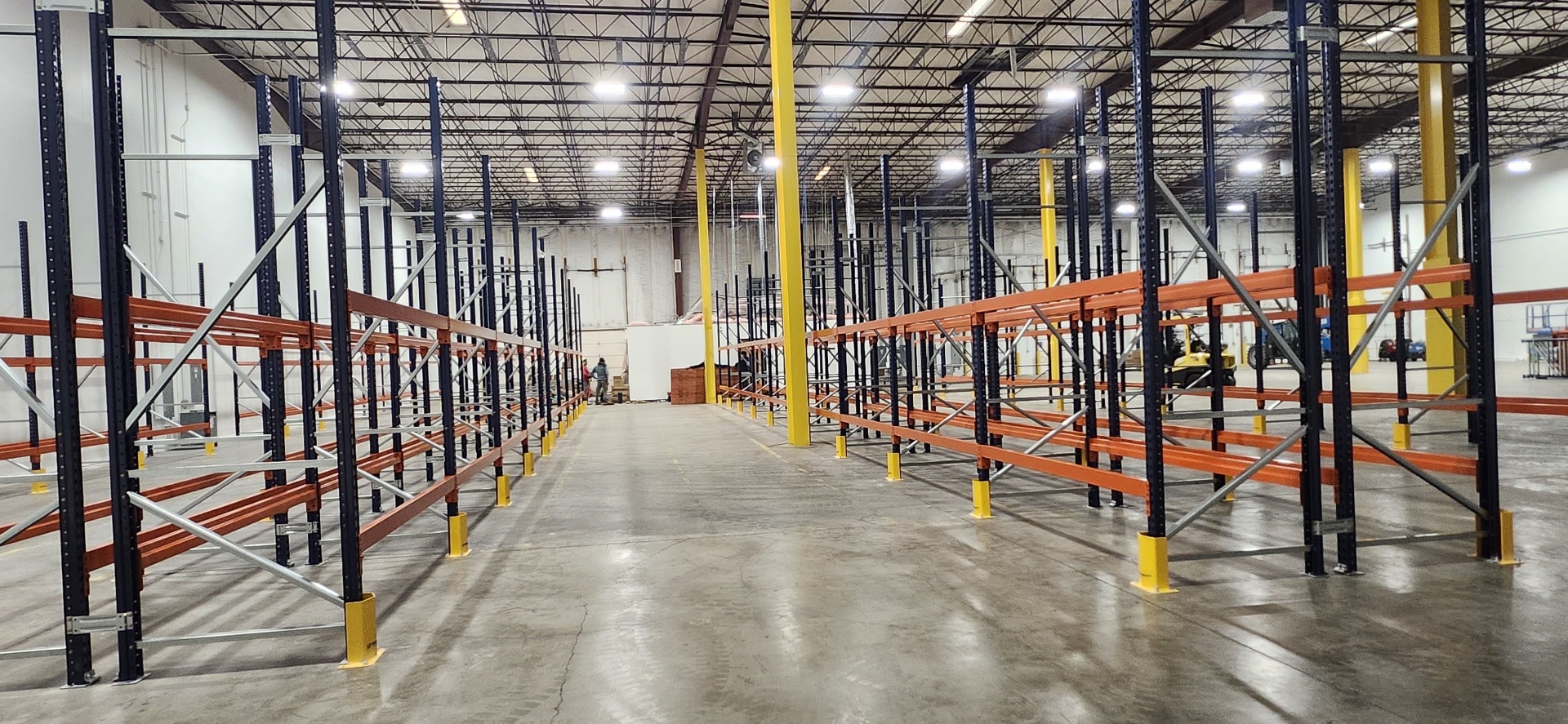
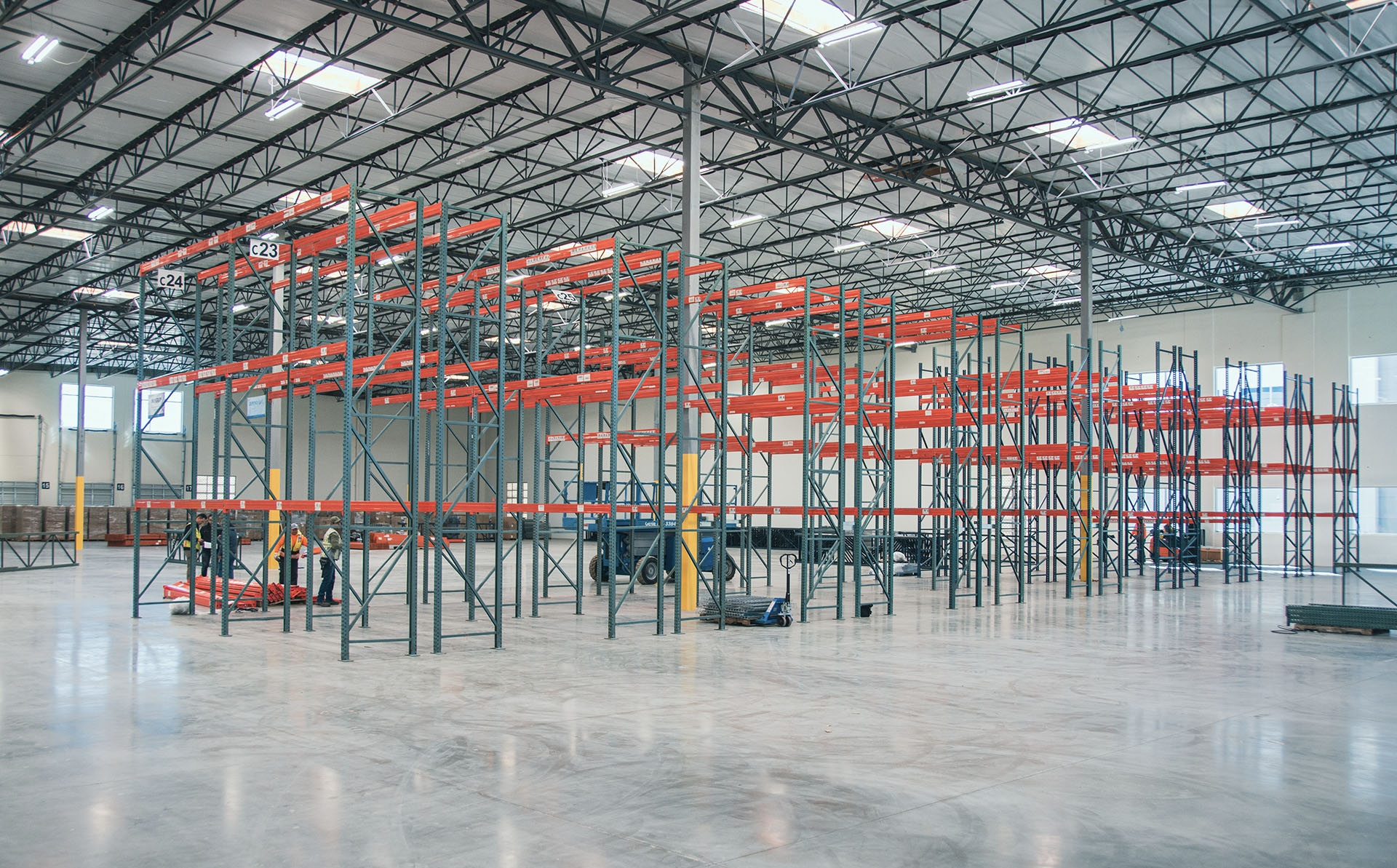
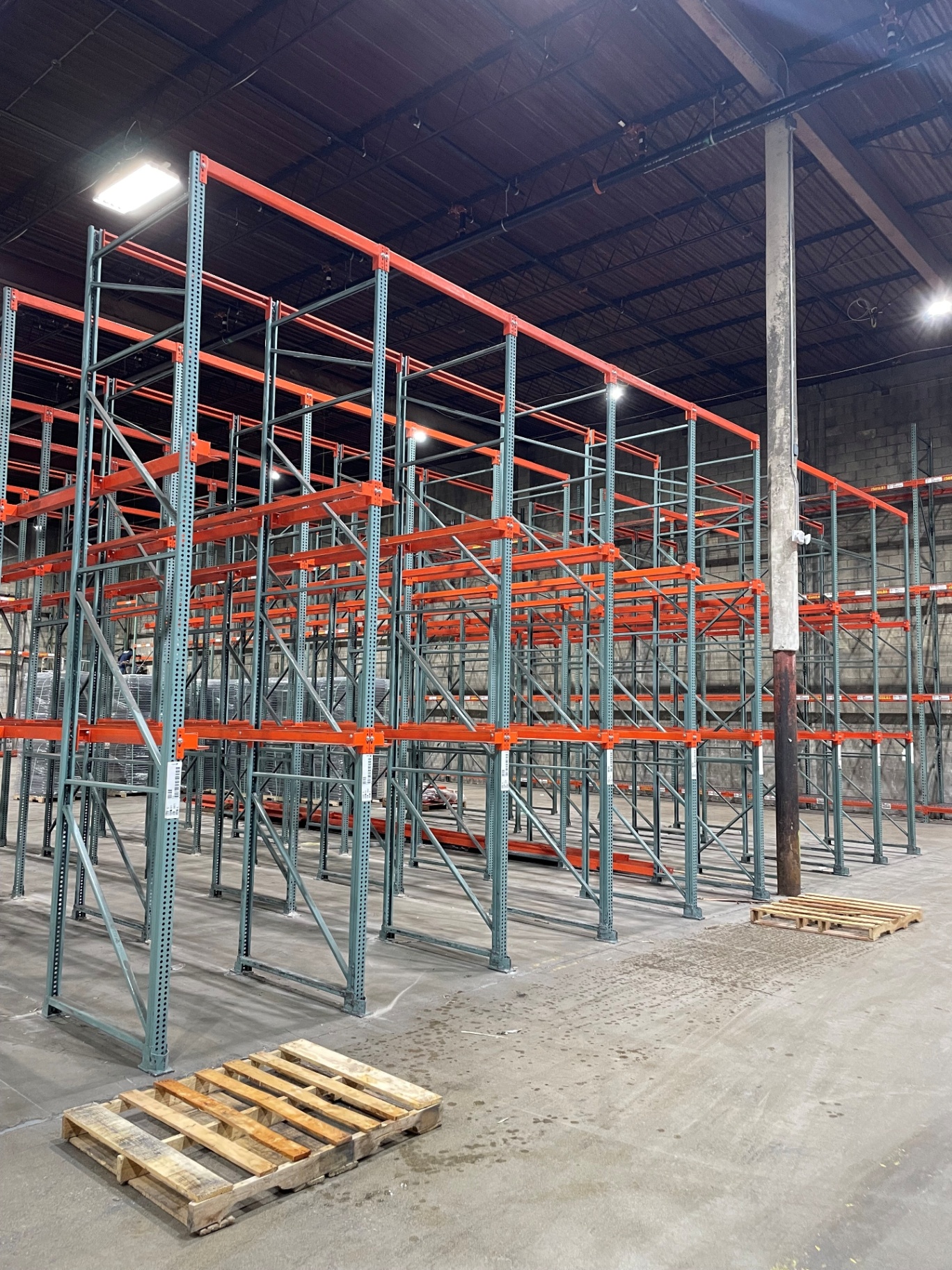
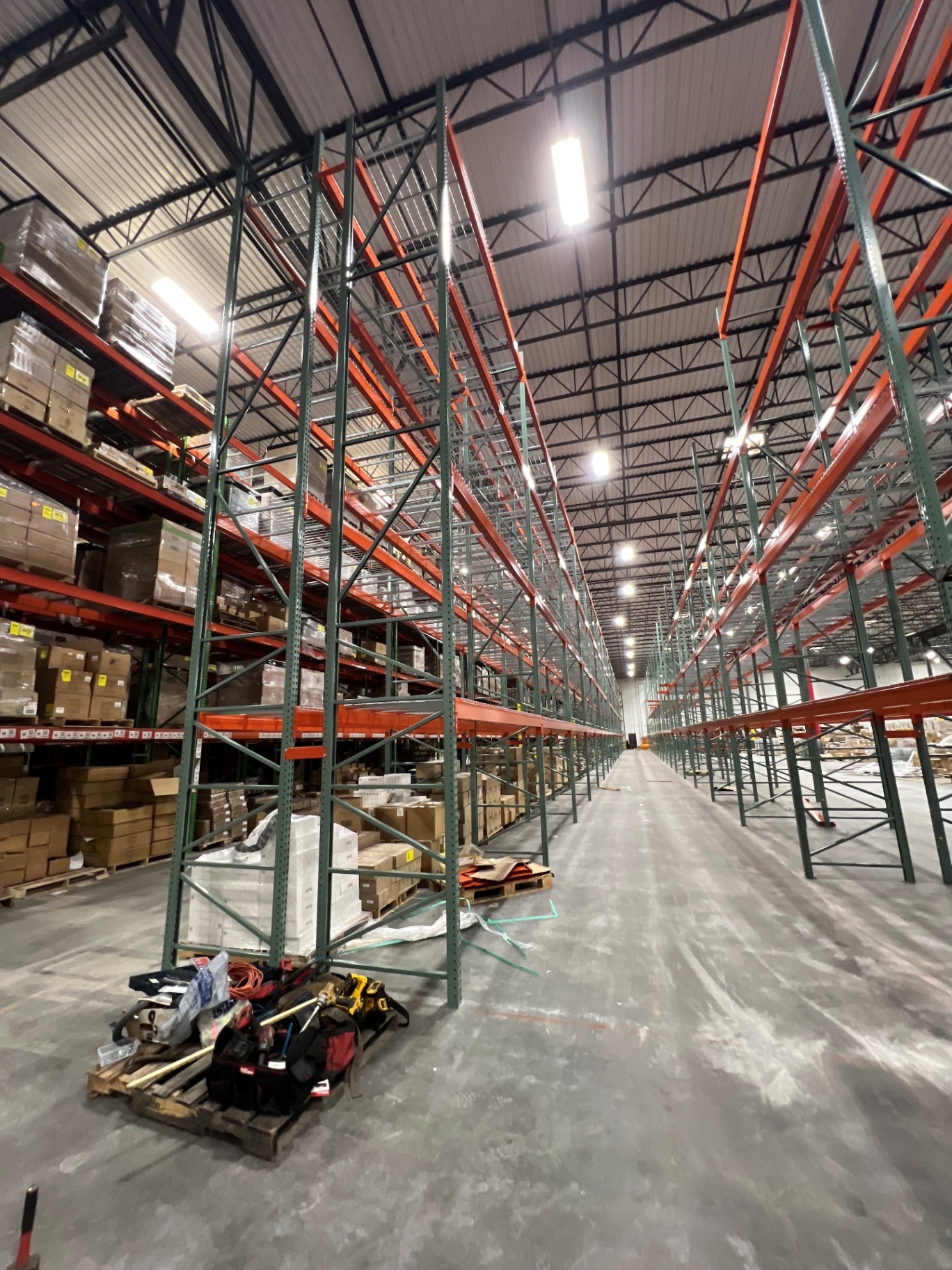
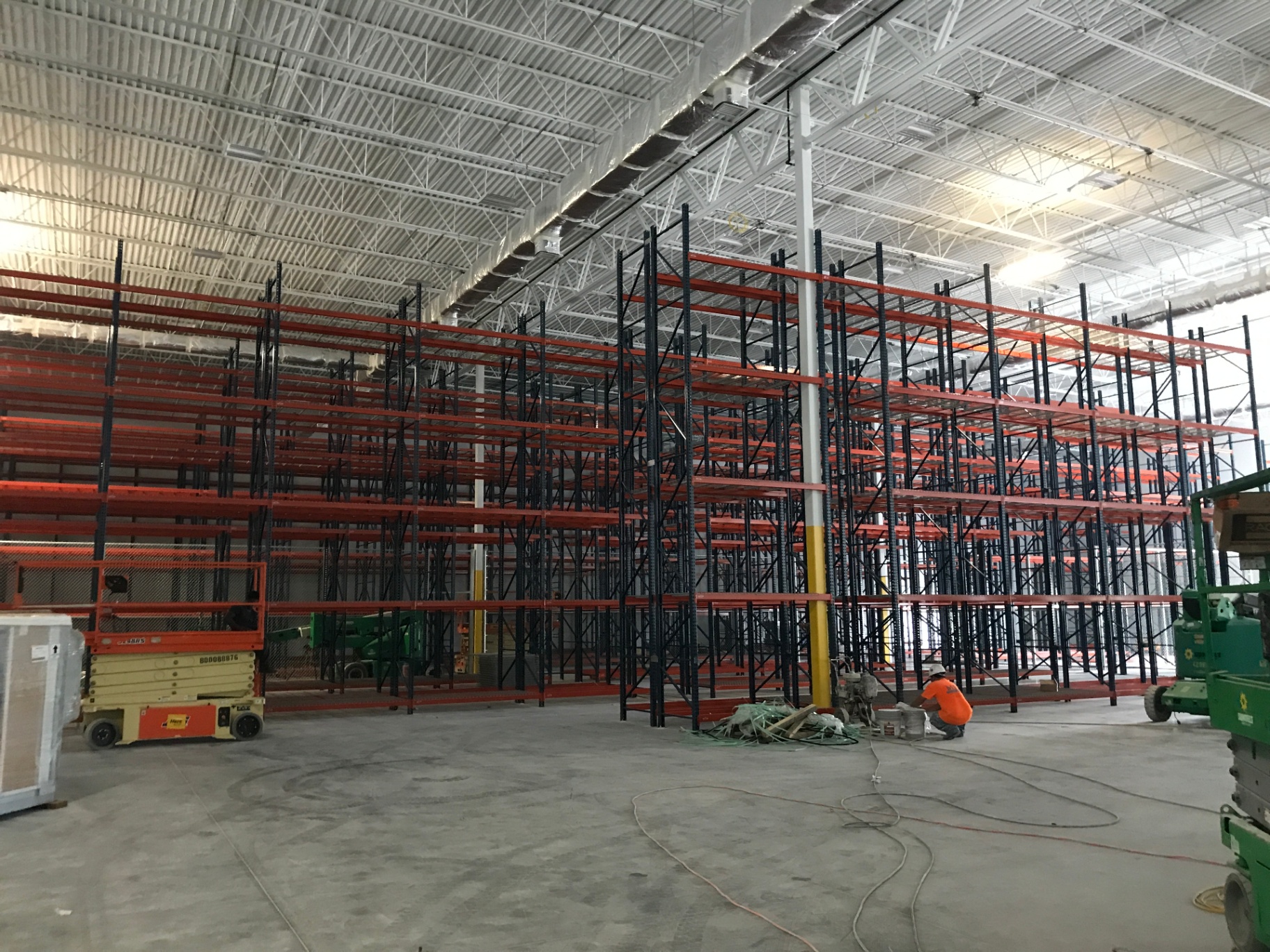
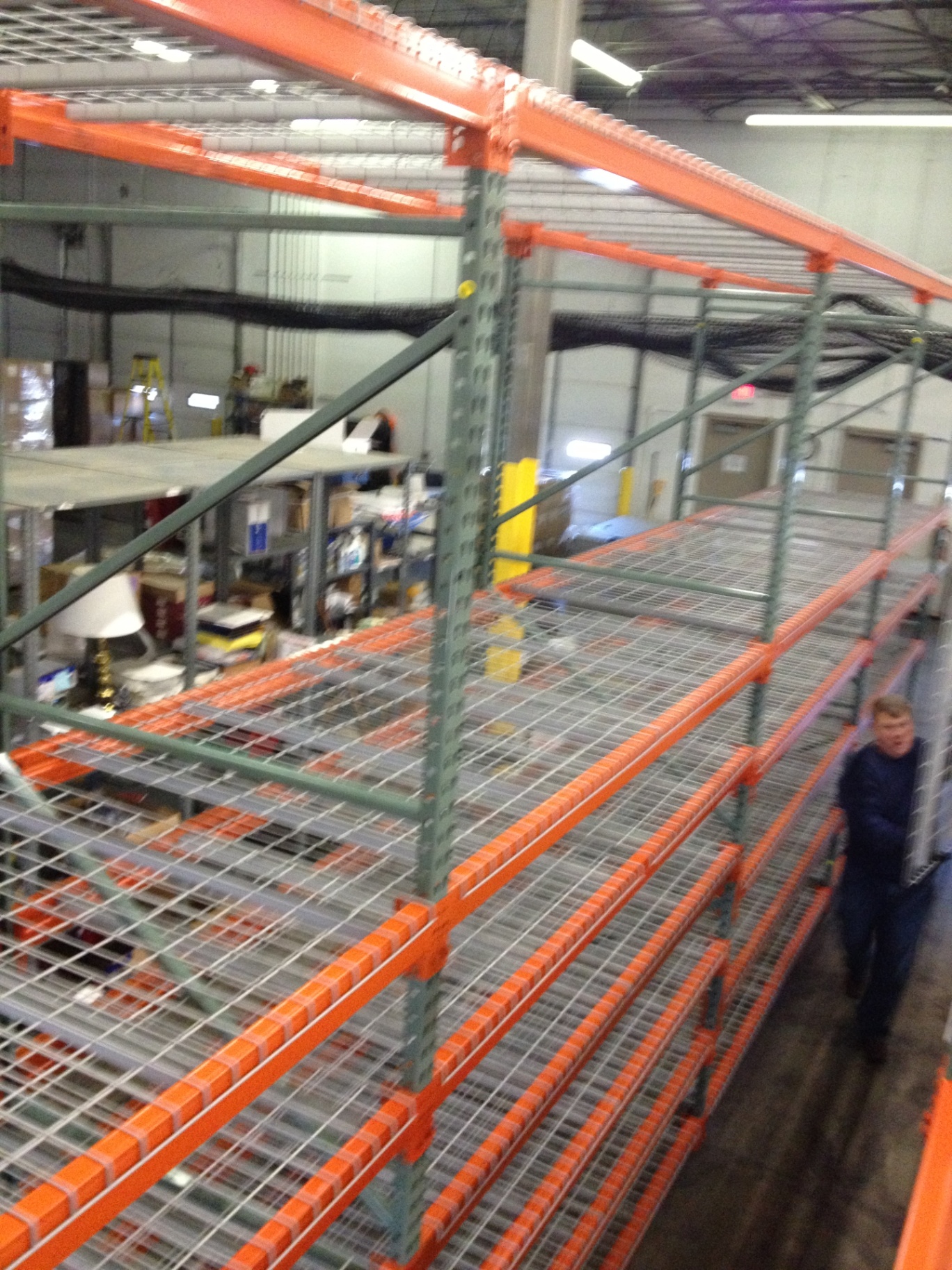
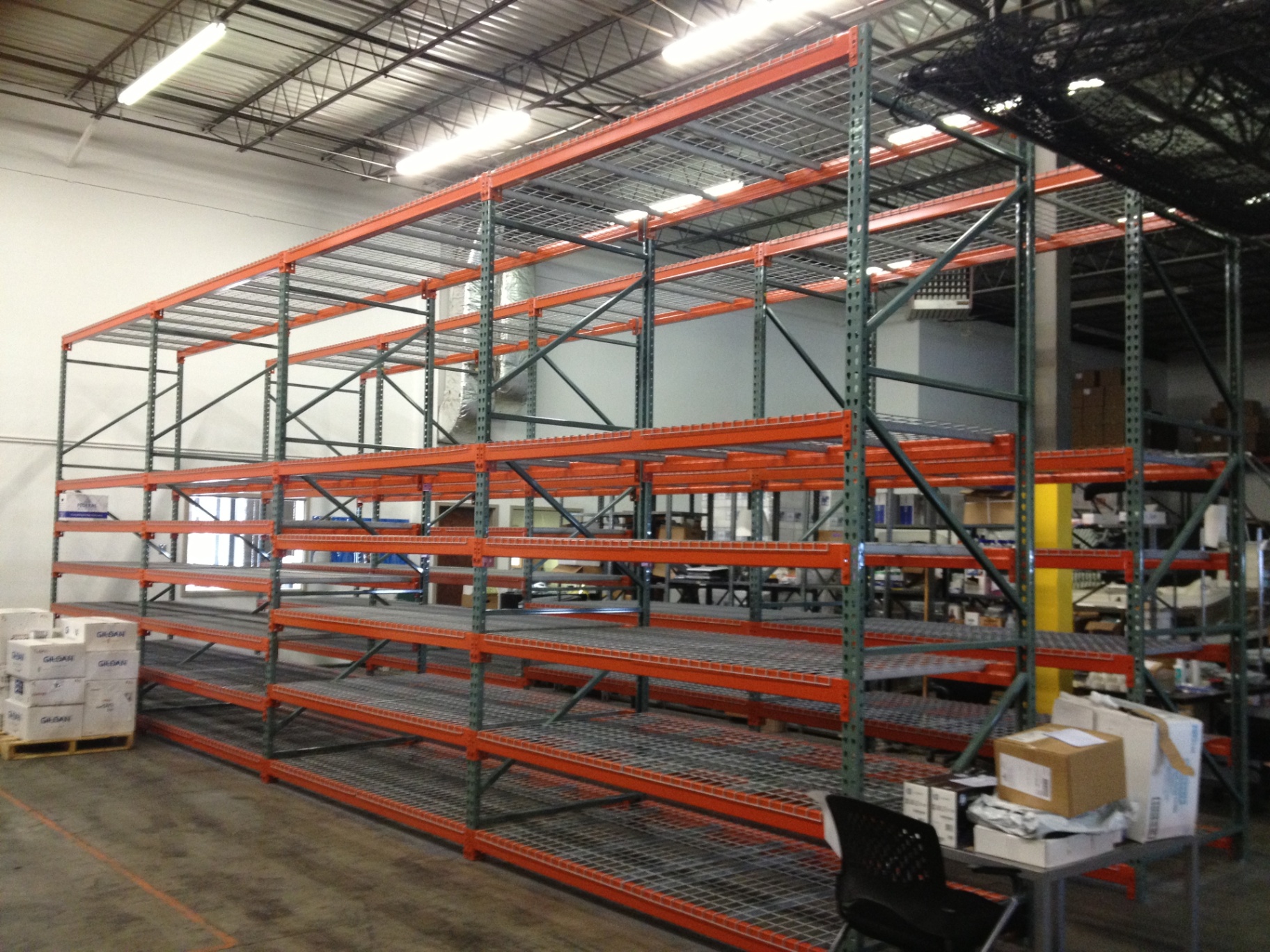
Racking projects completed for warehouses across Dallas–Fort Worth.
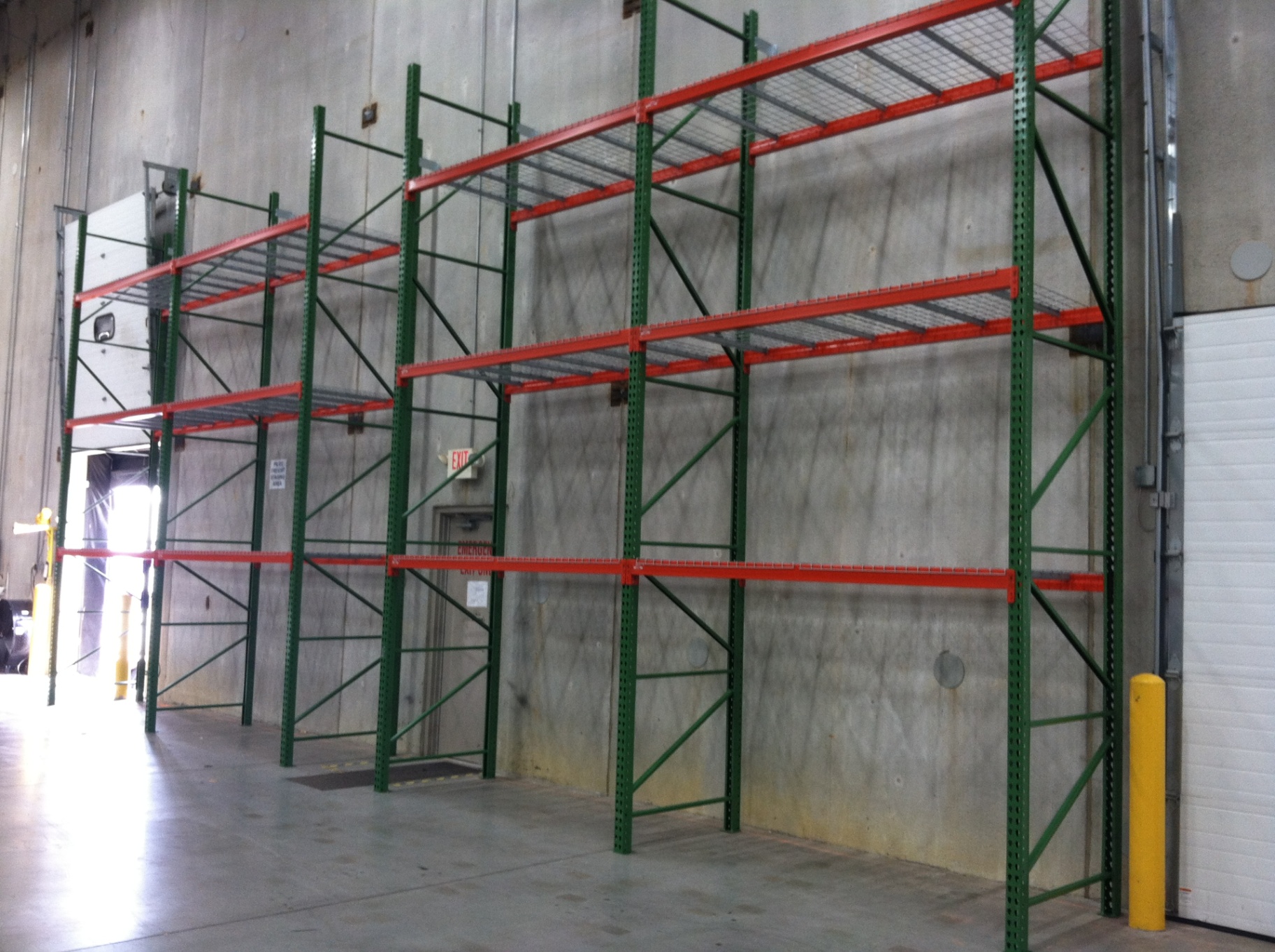
Get a Pushback Rack Quote for Your McKinney Warehouse
Send the basics and we will follow up with a layout and pricing. Prefer to talk it through? Call (214) 380-2954.
Dallas Pallet Racks
2442 S Collins St.
Ste 108 #2359
Arlington, TX 76014
(214) 380-2954Monday - Friday: 8:00 AM - 6:00 PM
Pushback Rack Questions We Hear Most
How deep can a pushback lane go?
Two to six pallets deep is the practical range. Lanes beyond four deep only pay off if you consistently hold that many pallets per SKU - we size lane depth from your inventory profile, not by maxing out the rail.
How does push back racking compare to drive-in rack?
Both store deep from one face. With pushback the forklift stays in the aisle and gravity does the work, which avoids driving within the rack structure. Drive-in goes deeper and costs less per position, but the driver has to enter the lane to place and pull loads.
Will my drivers need retraining?
Operators should receive system-specific instruction before use. Pushback requires controlled loading and unloading, correct pallet placement, and attention to moving carts; familiarity with selective rack alone is not sufficient.
What load capacities are available?
Cart and rail assemblies are commonly rated 2,500 to 4,000 lb per pallet, with heavier configurations available. We specify to your heaviest pallet with margin and hand over ratings for the finished lane.
Can pushback go into an existing selective row?
Often. Bay width and frame depth have to suit the cart and rail assembly, so we verify your current frames and connector style first, then convert the bays that work and leave the rest selective.
Does a growing McKinney parts list automatically justify pushback rack?
No. Pushback should be compared for recurring multi-pallet reserve items. More part numbers with small quantities can need more directly accessible assignments rather than deeper last-in, first-out lanes.
How should a McKinney aviation-district store arrange material releases beside pushback rack?
Keep the route to active work distinct from receipt staging and reserve handling. The next material request should remain accessible as another batch is put away. Compare recurring pallets per reserve item with the expanding active SKU list. Keep independent parts access in another zone, and reassess lane assignments when the inventory mix changes rather than assuming the original cart-lane depth remains useful.
What should a McKinney warehouse review when new product lines change assignments in pushback rack?
Compare the new item count, container mix, and quantity per item with the original proposal. Growth may call for more accessible locations instead of greater depth in the existing storage assignments. No. Pushback should be compared for recurring multi-pallet reserve items. More part numbers with small quantities can need more directly accessible assignments rather than deeper last-in, first-out lanes.
Other Rack Types We Supply in McKinney
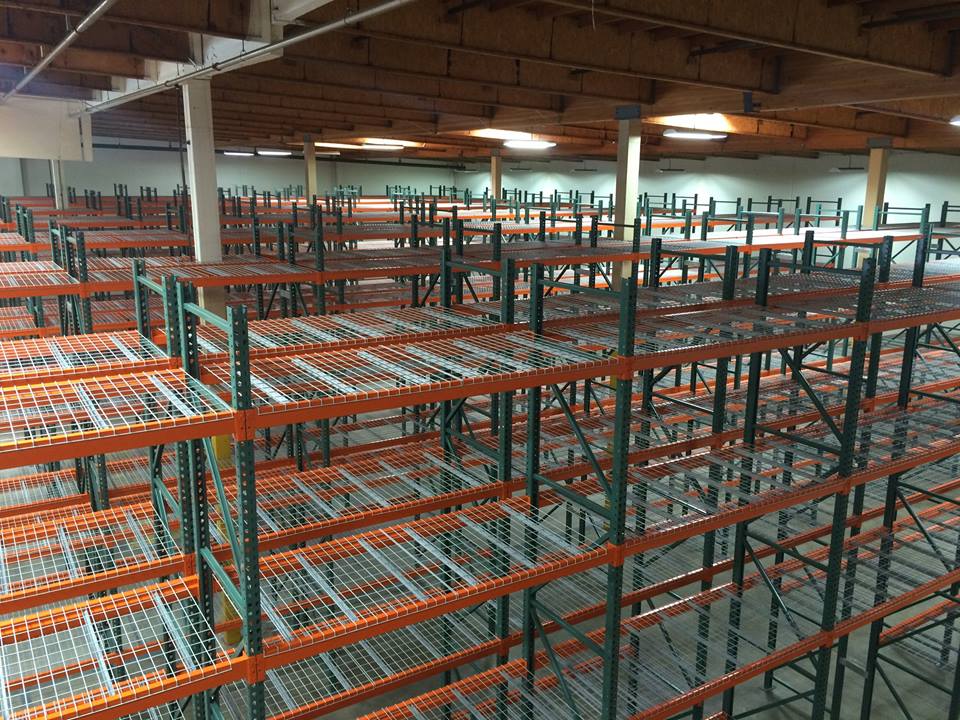
Pallet Rack
Every pallet reachable, every time. The baseline we size everything else against.
View details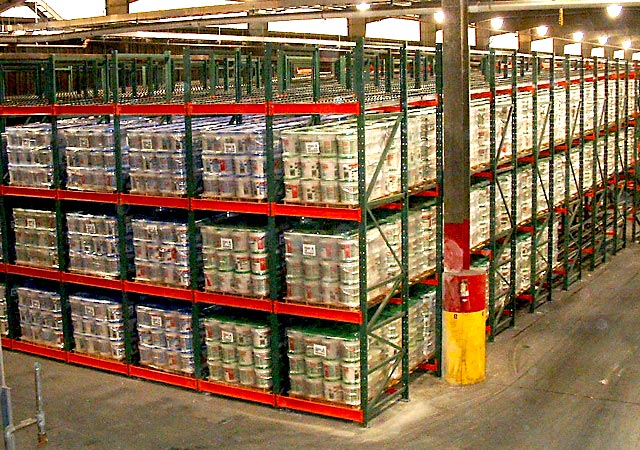
Pallet Flow Rack
Load one side, pick the other, and let gravity enforce first in, first out.
View details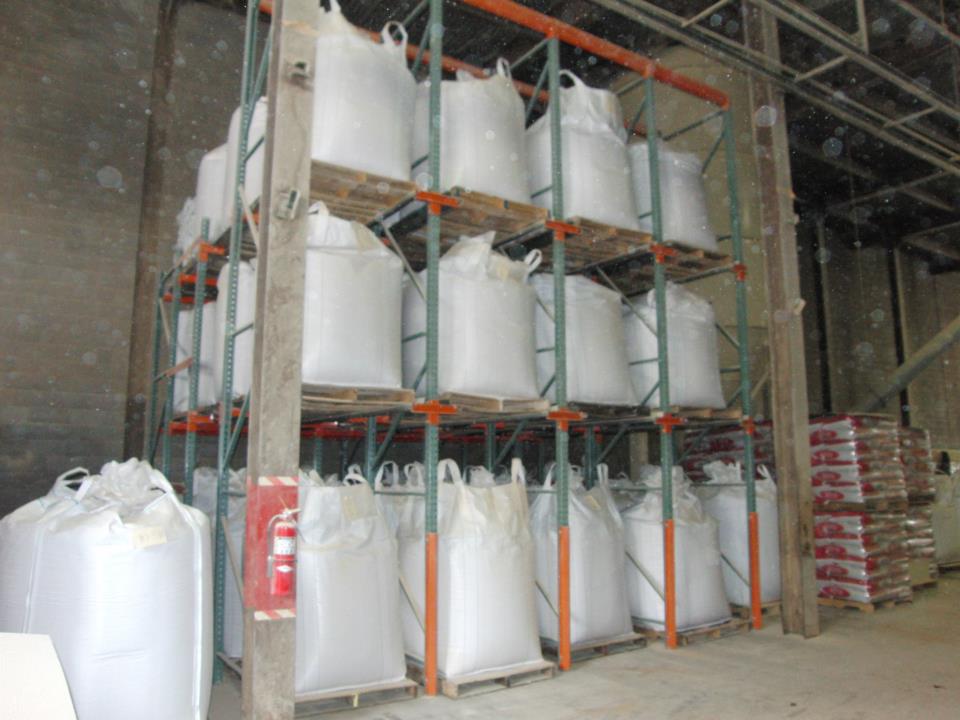
Drive-In Rack
Deep storage lanes replace intermediate aisles. The forklift enters the structure to place and retrieve pallets.
View details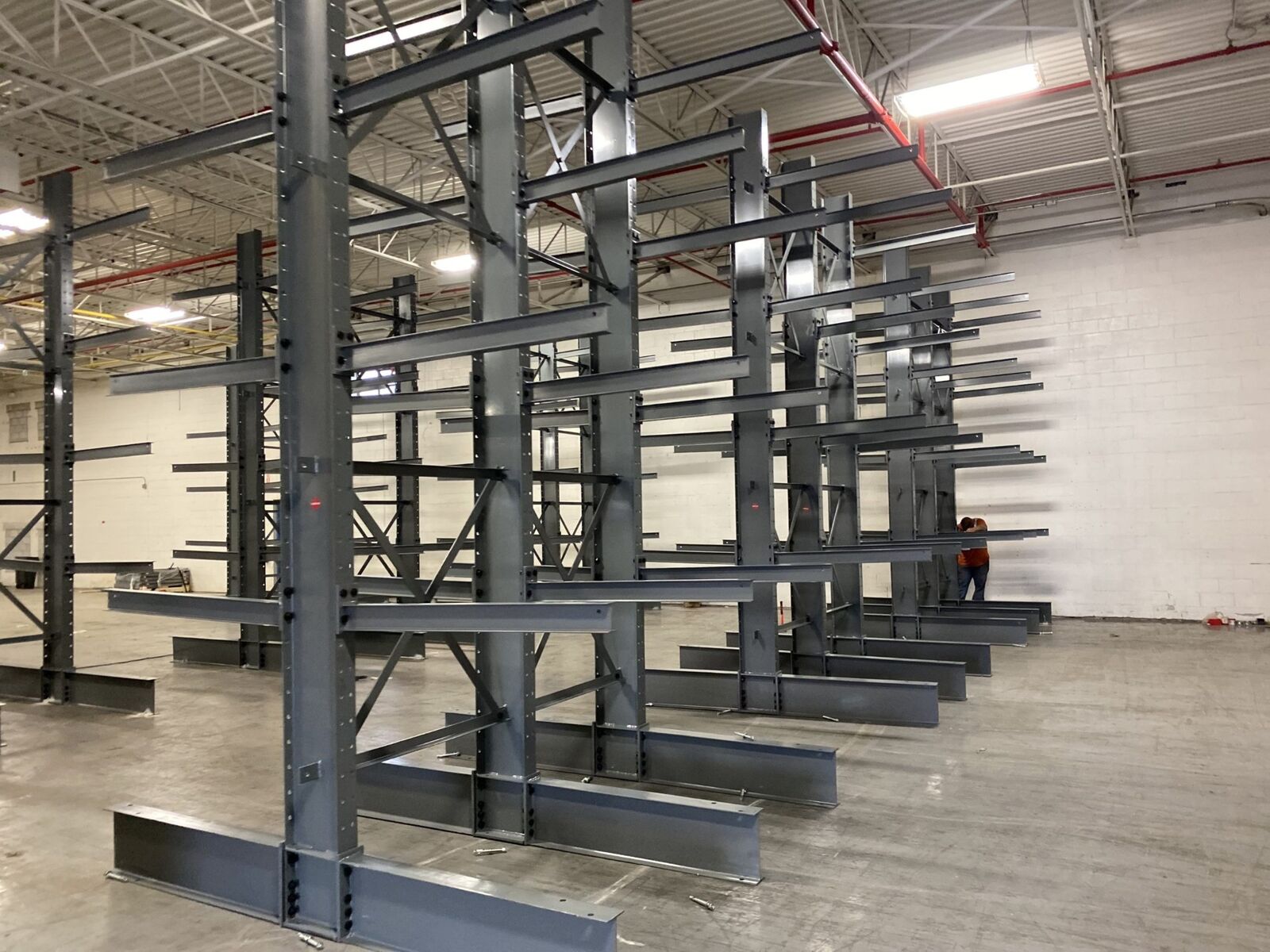
Cantilever Rack
Arms with nothing in front of them, built for lumber, pipe, and anything a pallet can't hold.
View details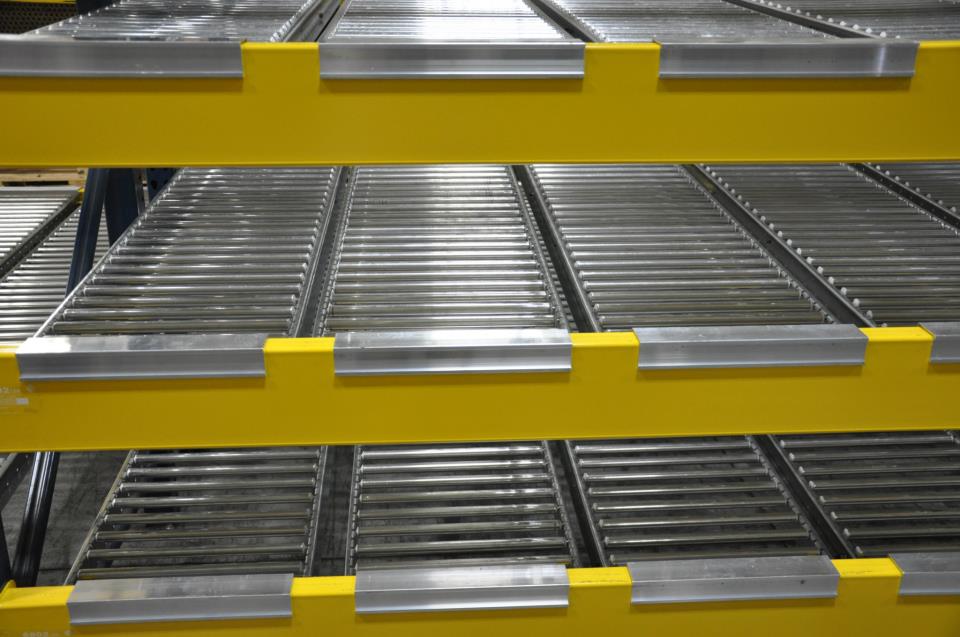
Carton Flow Rack
Cases advance to the picker instead of the picker hunting for cases.
View detailsNearby Areas We Also Serve
We serve the Dallas–Fort Worth metroplex with storage layouts, rack supply, and installation. Compare the same rack type in another service area below.
Where We Work
Based in Arlington, we serve the DFW metroplex with industrial pallet racks and warehouse storage solutions.
Dallas Pallet Racks
Address
2442 S Collins St.
Ste 108 #2359
Arlington, TX 76014
Phone
(214) 380-2954Business Hours
Monday - Friday: 8:00 AM - 6:00 PM
Saturday: Closed
Sunday: Closed
Need Pushback Rack in McKinney?
Call (214) 380-2954 or request a quote and we will get a layout started.