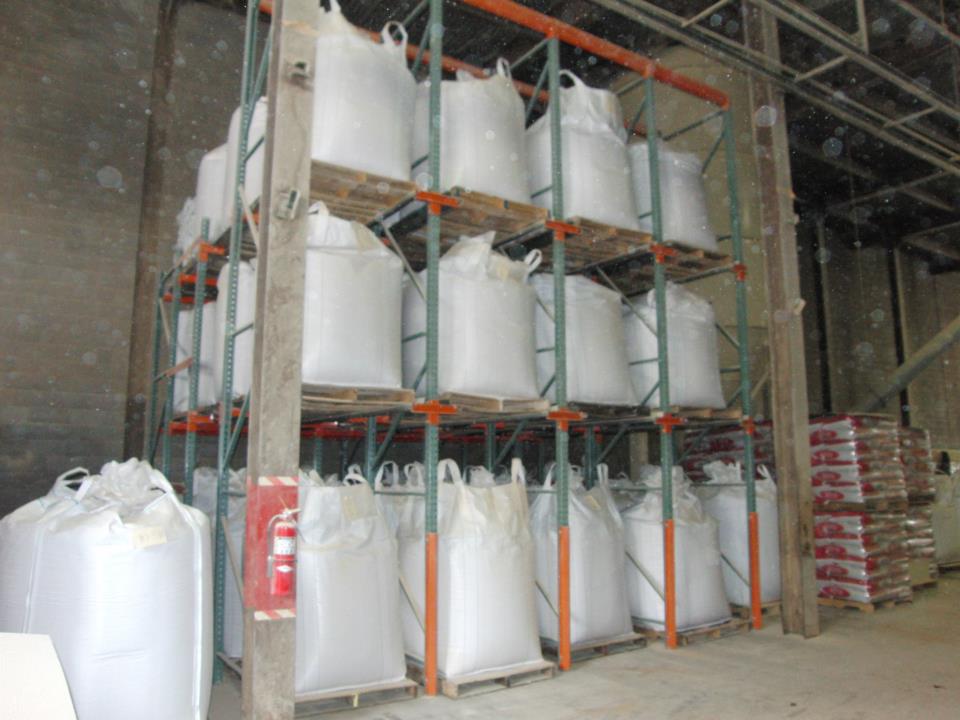
Drive-In Rack in Garland, TX
Garland's manufacturing setting makes the relationship between stored material and the next production task especially useful to examine. Forest Lane and the I-30 corridor provide local reference points. Before choosing more rack, separate incoming components, production buffers, and finished goods; each can need a different release order and a different kind of access.
Drive-in rack can suit repeated Garland production lots, but deep lanes are a poor substitute for independent access to assorted components. The useful comparison is between bulk reserve consumed in groups and material selected for a specific task. A lane plan should reflect that distinction before it replaces the aisles serving existing rows.
Compare drive-in rack with a Free Design Consultation, CAD layout, and itemized quote from Dallas Pallet Racks, a division of Warehouse Equipment & Supplies Co.
Why Garland Warehouses Work With Us
A production store should be planned around material movement, not simply the number of positions that fit. In Garland, a layout near Forest Lane may need to keep component picks accessible while separating reserve lots from finished goods waiting for dispatch. Those distinctions are operating questions, not assumptions about a particular local customer's process.
Our Free Design Consultation compares the role of each storage zone. The CAD drawing can show where incoming material waits, how it reaches the work area, and where completed goods return to storage. A proposal should make those paths understandable before the equipment list is priced, especially when different load shapes share the building.
Use I-30 as a geographic anchor for receiving and outbound planning, while keeping the focus inside the warehouse. An itemized quote lets your team evaluate rack components and access together, including whether another rack type belongs beside the proposed system.
Group homogeneous reserve lots in lane assignments and retain another zone for mixed components. Compare batch quantity with lane depth at several points in the production cycle, including when a lot is almost consumed rather than freshly received.
Operations We Rack Around Here
Serving warehouses around I-30 East, Forest Lane industrial, Northstar, Bobtown Road corridor.
How Drive-In Rack Works
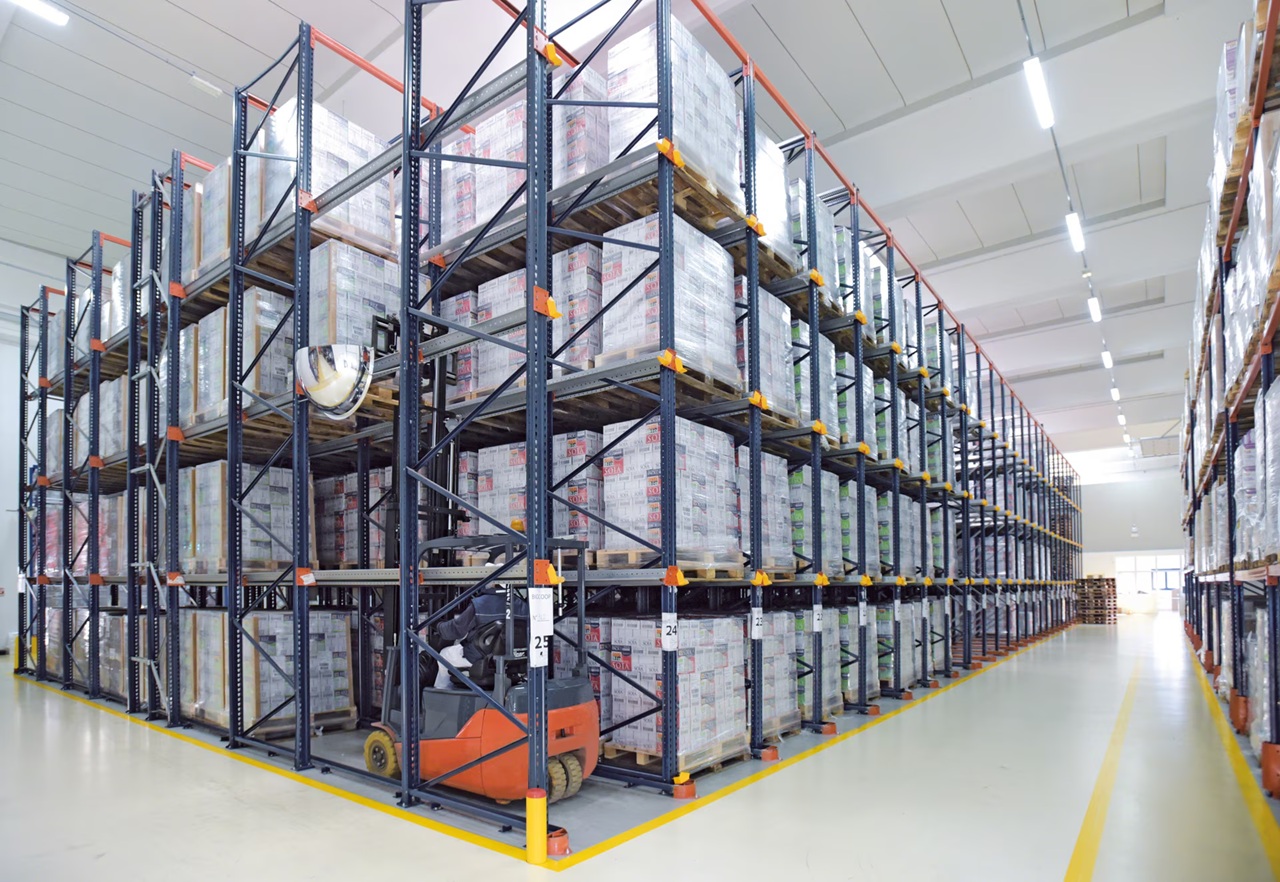
Deep storage lanes replace intermediate aisles. The forklift enters the structure to place and retrieve pallets.
Continuous rails, not beams
Pallets rest on rails carried by upright frames rather than individual beam levels, so a lane accepts pallet after pallet at the same elevation.
The truck enters the lane
The driver travels inside the bay to place or retrieve each load. Lane width, rail height, and mast clearance get dimensioned to that specific truck, not a generic one.
One open end or two
One open end gives LIFO and high storage density. Two open ends give FIFO with slightly fewer positions, since each lane now needs clearance from both sides.
Guarding built into the design
Guide rails, column guards, and rail-end protection are part of the spec from the start, because a lane that takes daily contact from forklifts needs protection built in from day one.
What a Drive-In Rack Project Includes
A drive-in rack project begins with a discussion of your inventory and handling goals. We consider the stored loads, their weight range, how often they move, and which items need immediate access. For Garland operations, reserve deep storage for repeat pallet loads rather than mixed parts inventory. That local layout consideration is evaluated alongside the system’s basic storage requirements rather than treated as a reason to choose the same rack for every building.
The CAD proposal shows the storage arrangement, usable levels, access routes, and pallet positions. Next we look at SKU depth. Drive-in rewards deep lanes of a single product and punishes variety - if a lane never fills, you've built an expensive way to store less than you could have with selective. Where the inventory profile is mixed, we'll usually recommend a hybrid: selective at the pick face, drive-in behind it for reserve. Where comparing two rack types is useful, the discussion explains what changes in access, rotation, and capacity. The result is a layout you can review with your operations team rather than a quantity of rack without an operating plan.
Your itemized quote identifies the rack structure, load-support components, and accessories included in the scope. Product availability, delivery, and installation are discussed before the order proceeds; the schedule depends on the selected system and project size. The quote itemizes frames, rails, rail supports, guide rails, and column protection, with a CAD drawing showing lane depth, rail elevations, and total positions. Installation partners anchor, plumb, and align every rail run, then verify a loaded pallet travels the full lane before handing the system over.
After approval, the project moves forward against the agreed layout and scope. The documentation provides a reference for storage assignments and rated capacities. If the inventory mix later changes, you can discuss additional pallet positions, a different lane arrangement, or a complementary rack type without assuming every existing component can be reused. Compatibility and capacity must be checked for the proposed configuration.
Recent Installations
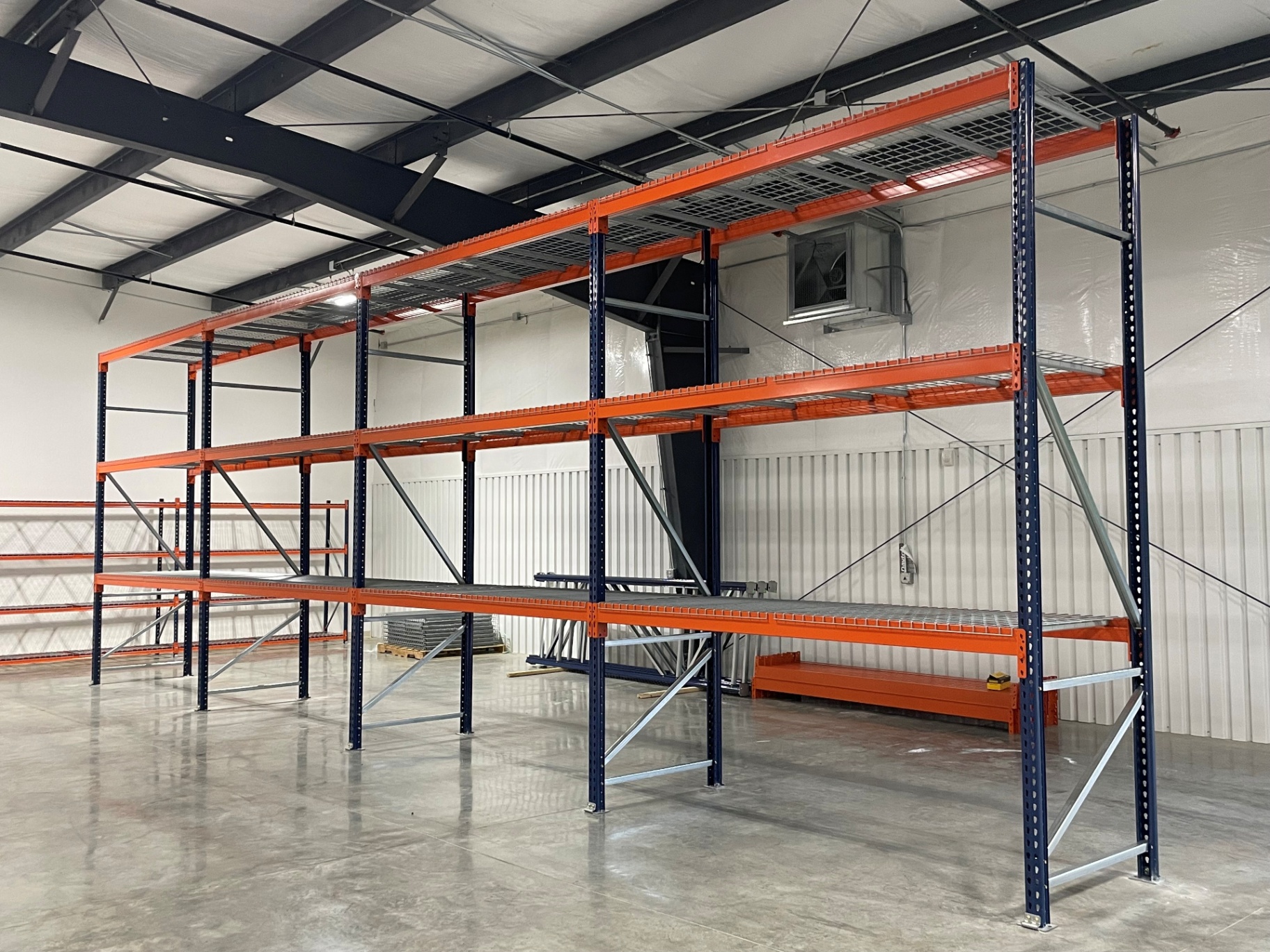
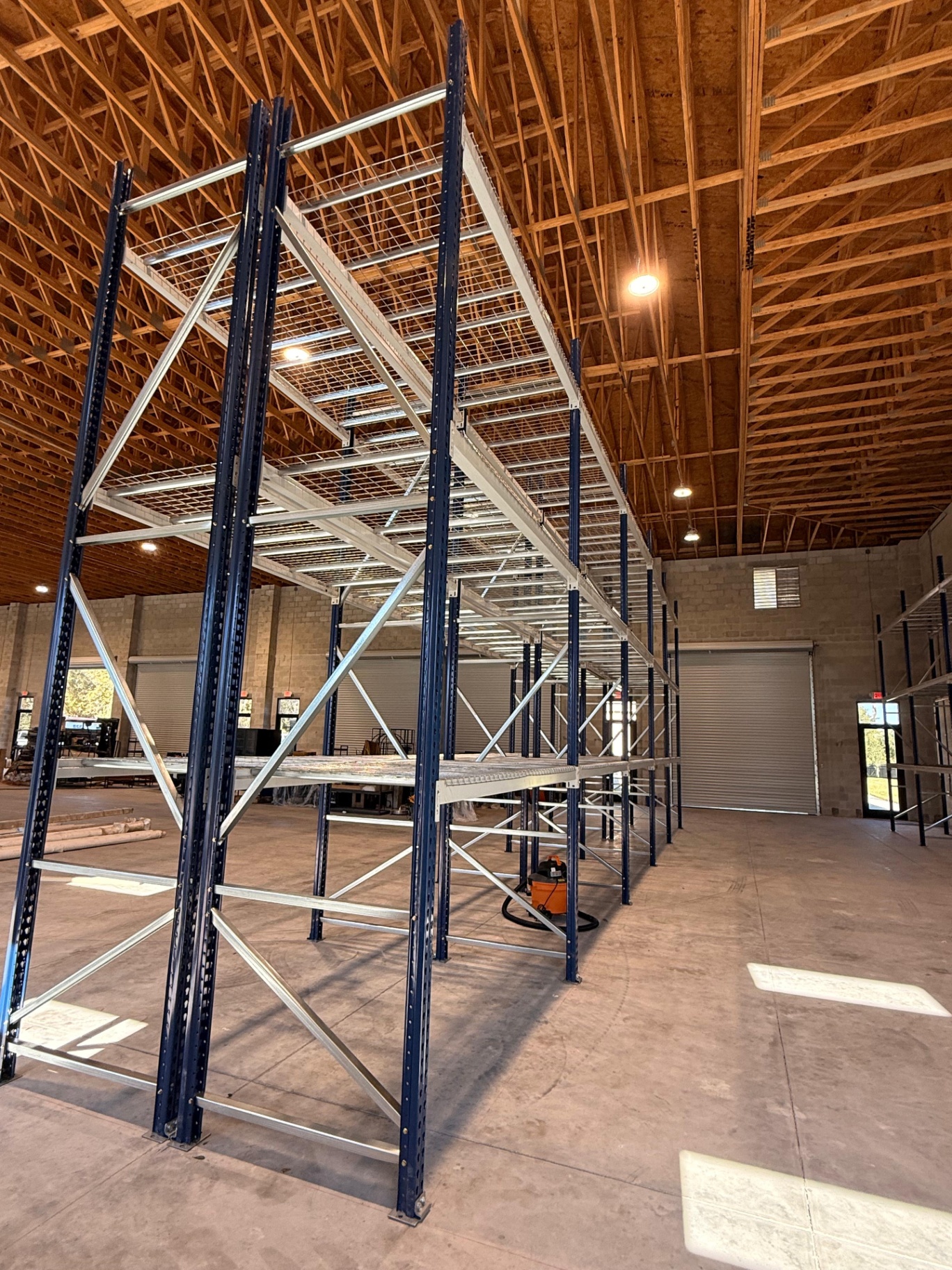
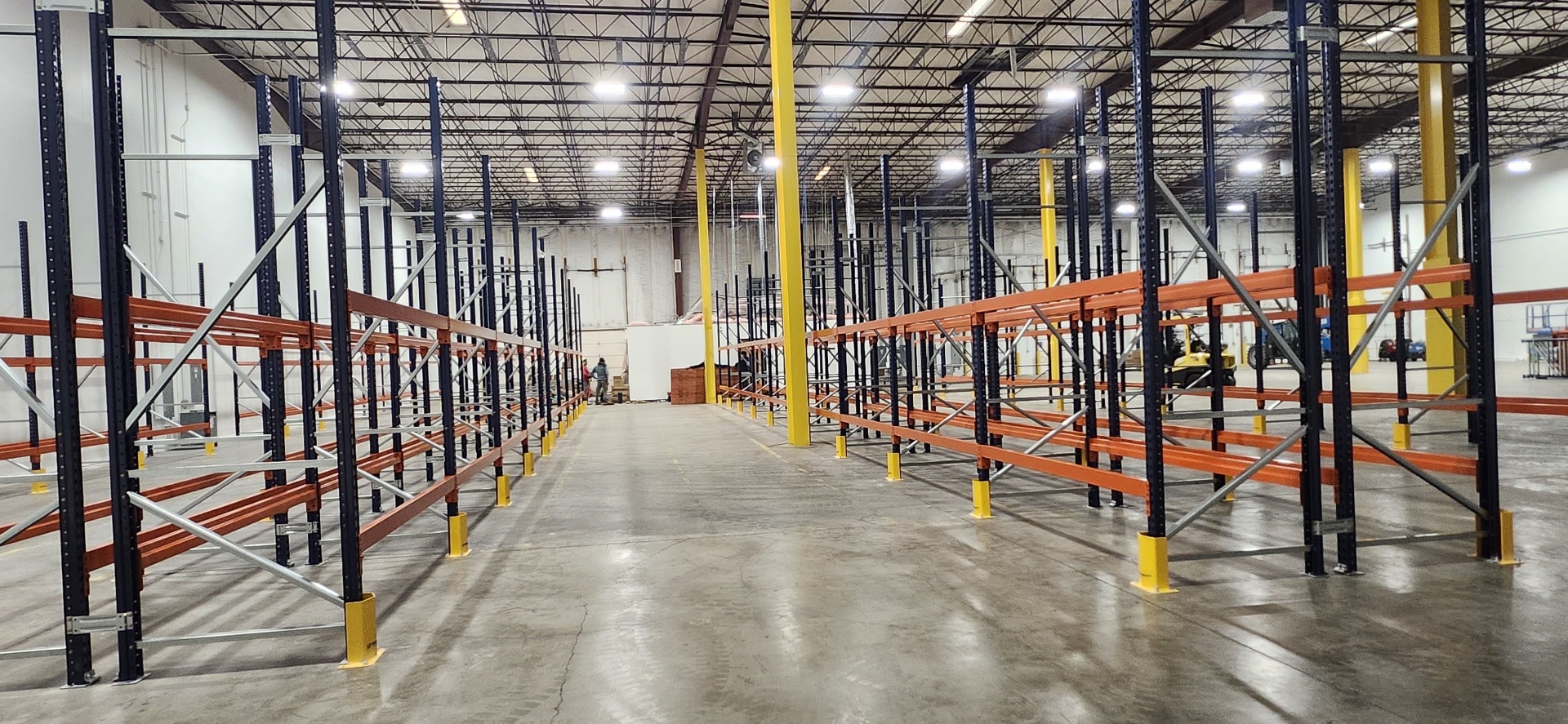
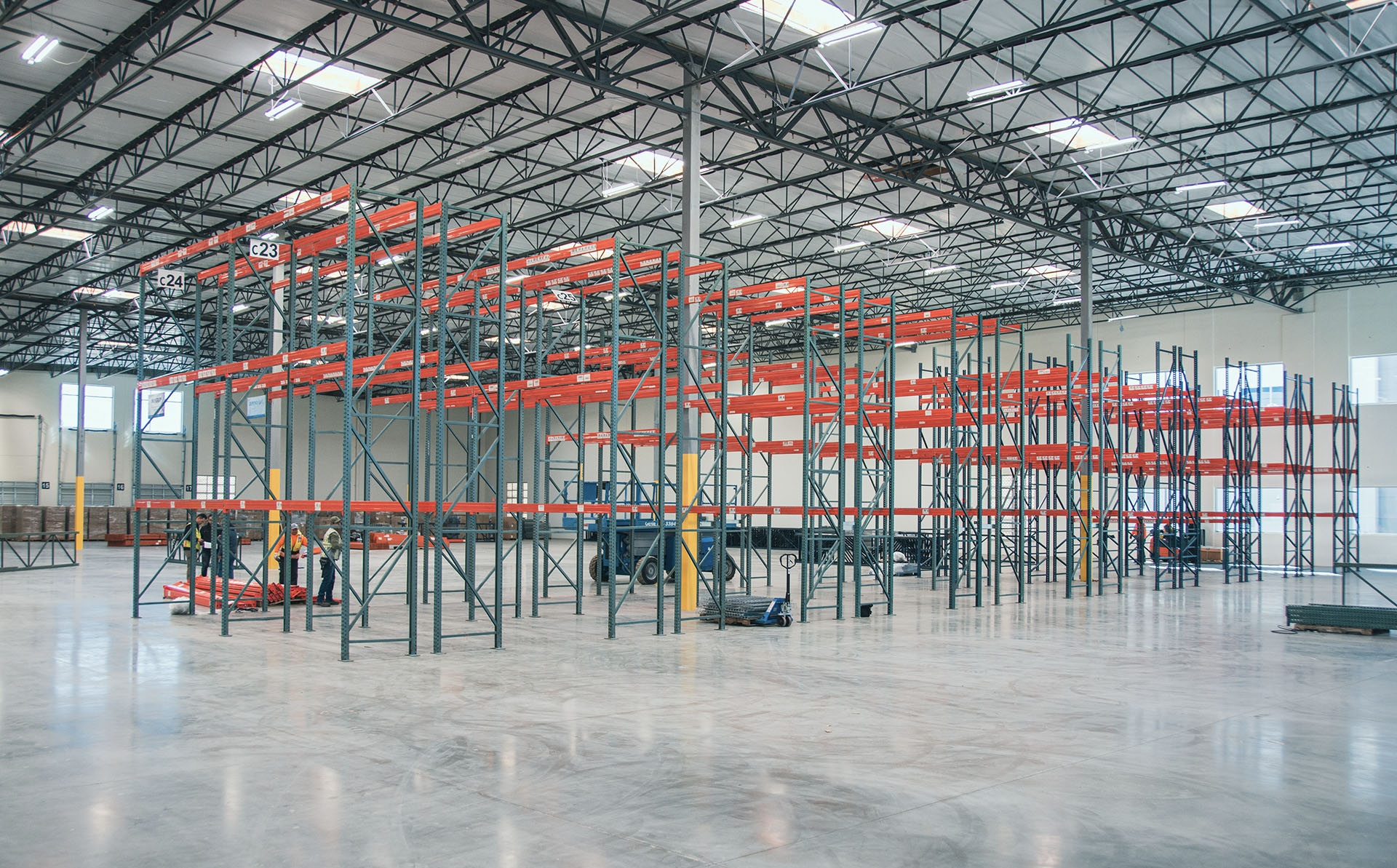
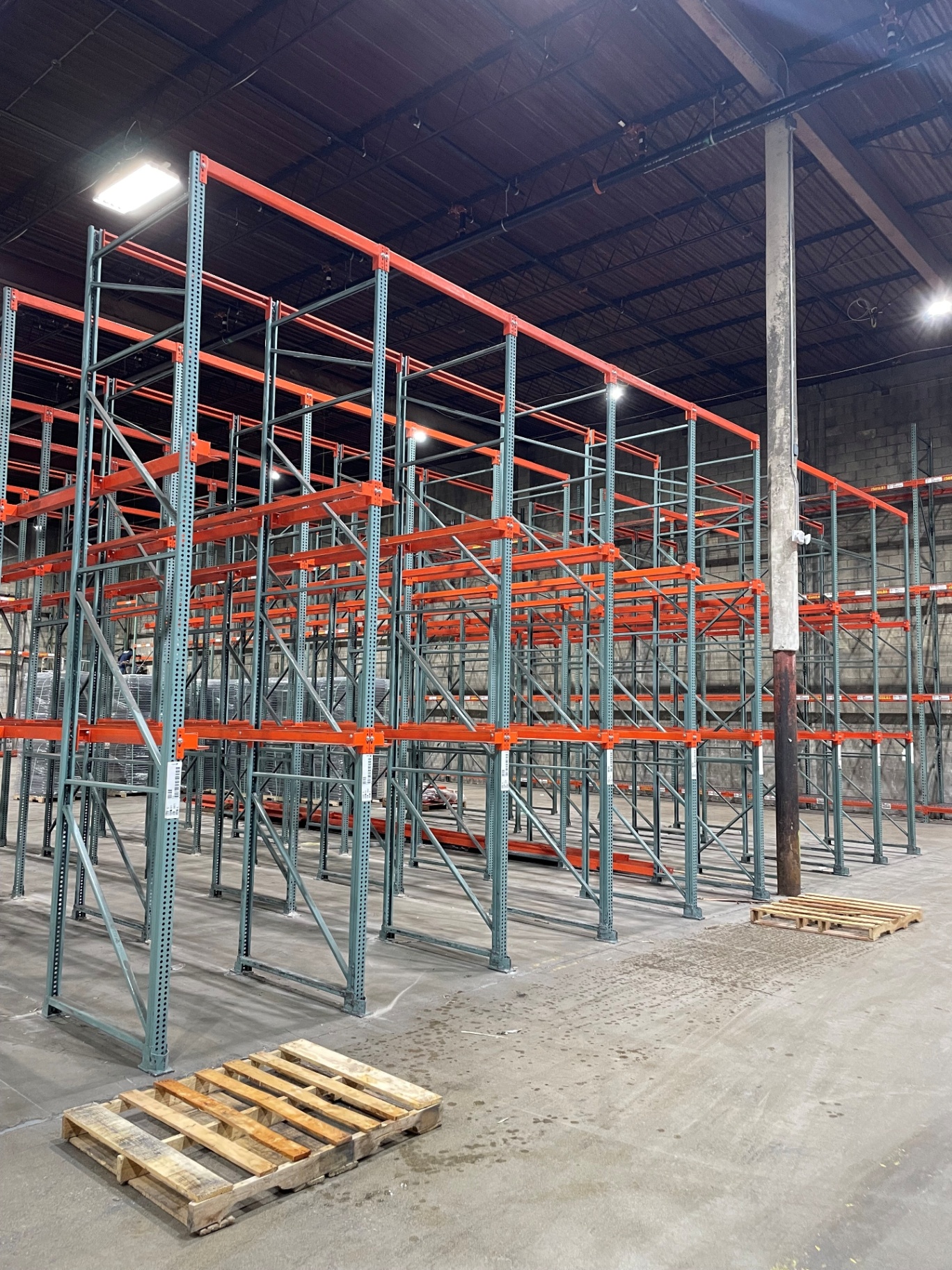
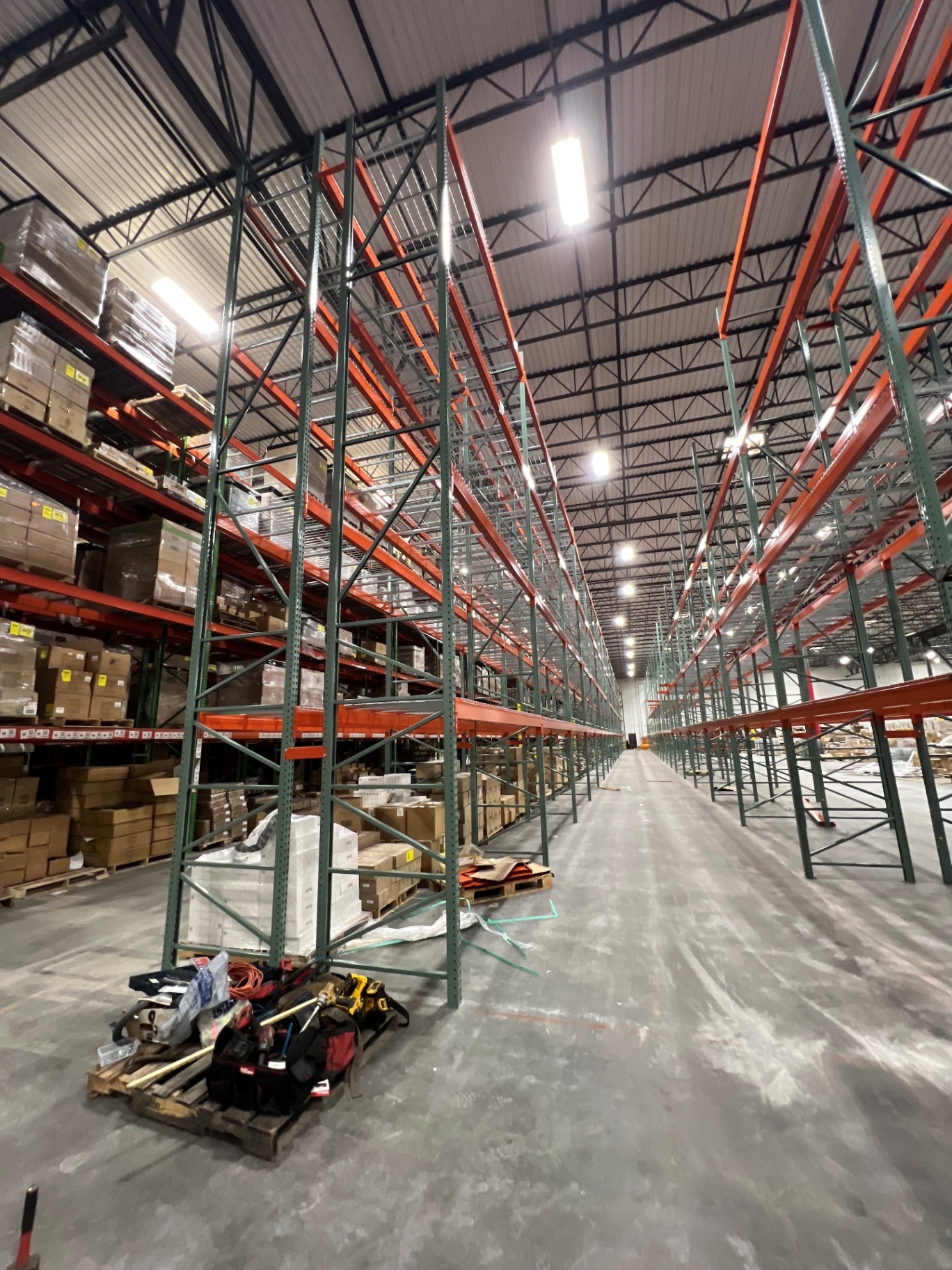
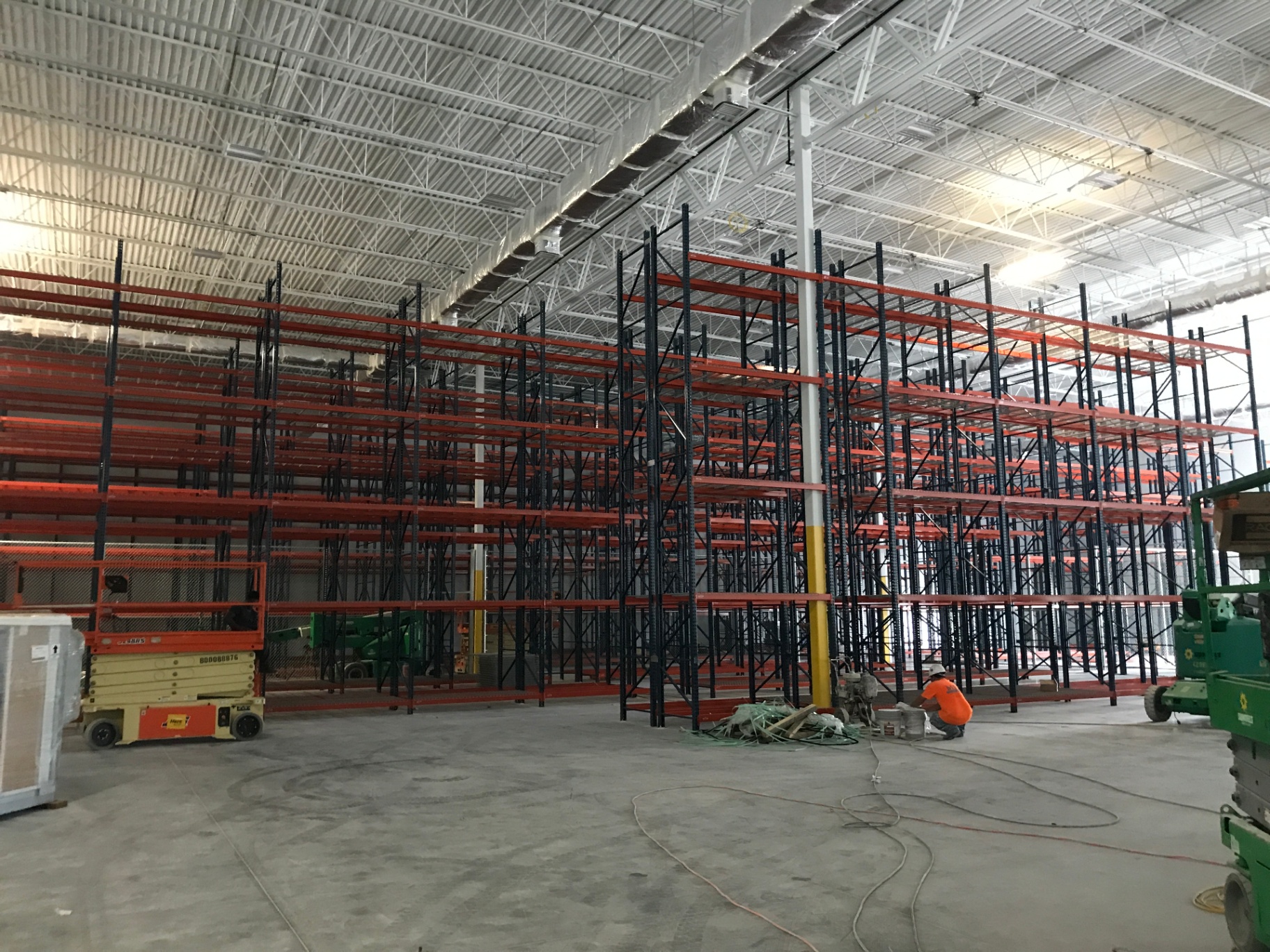
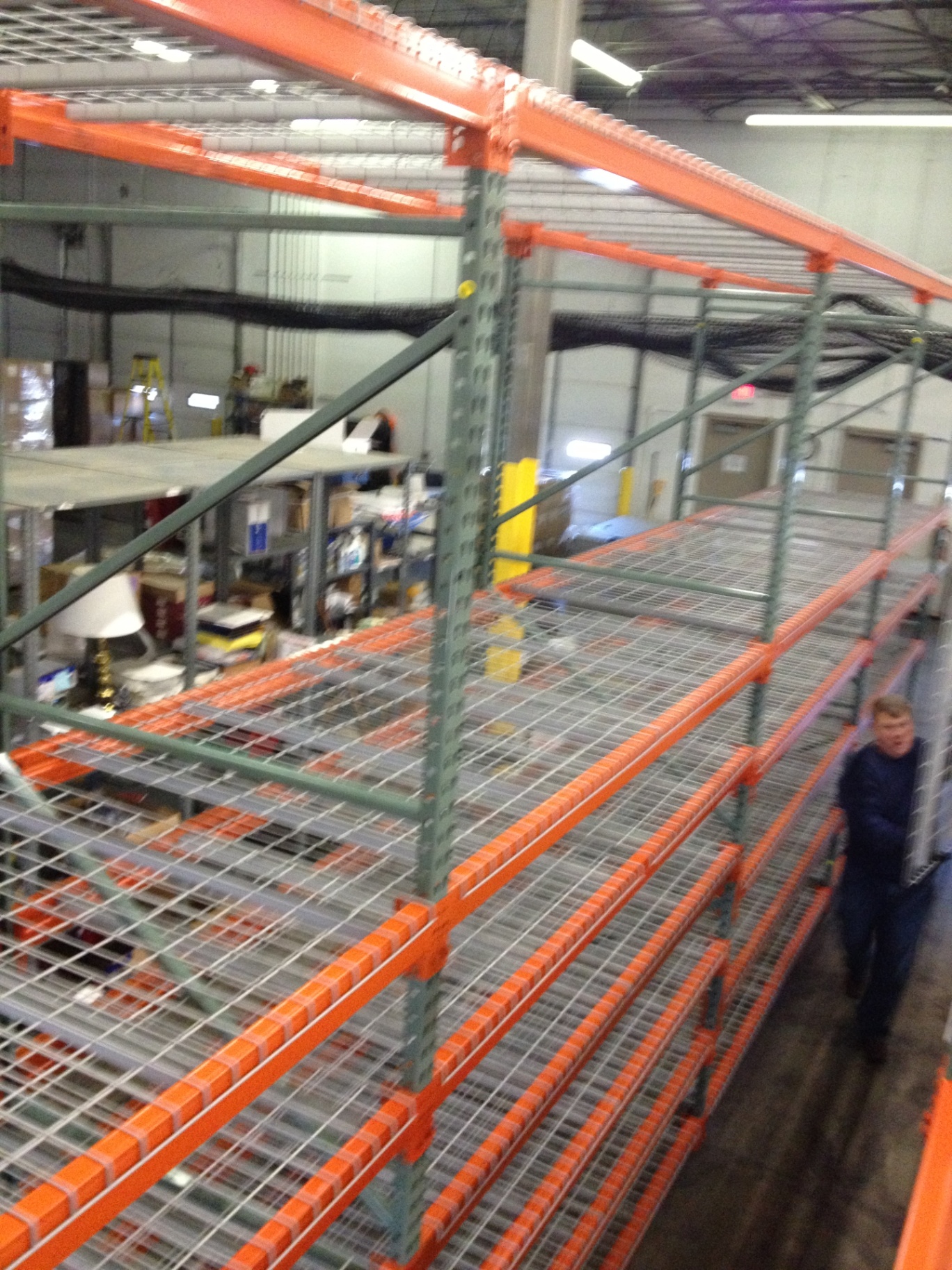
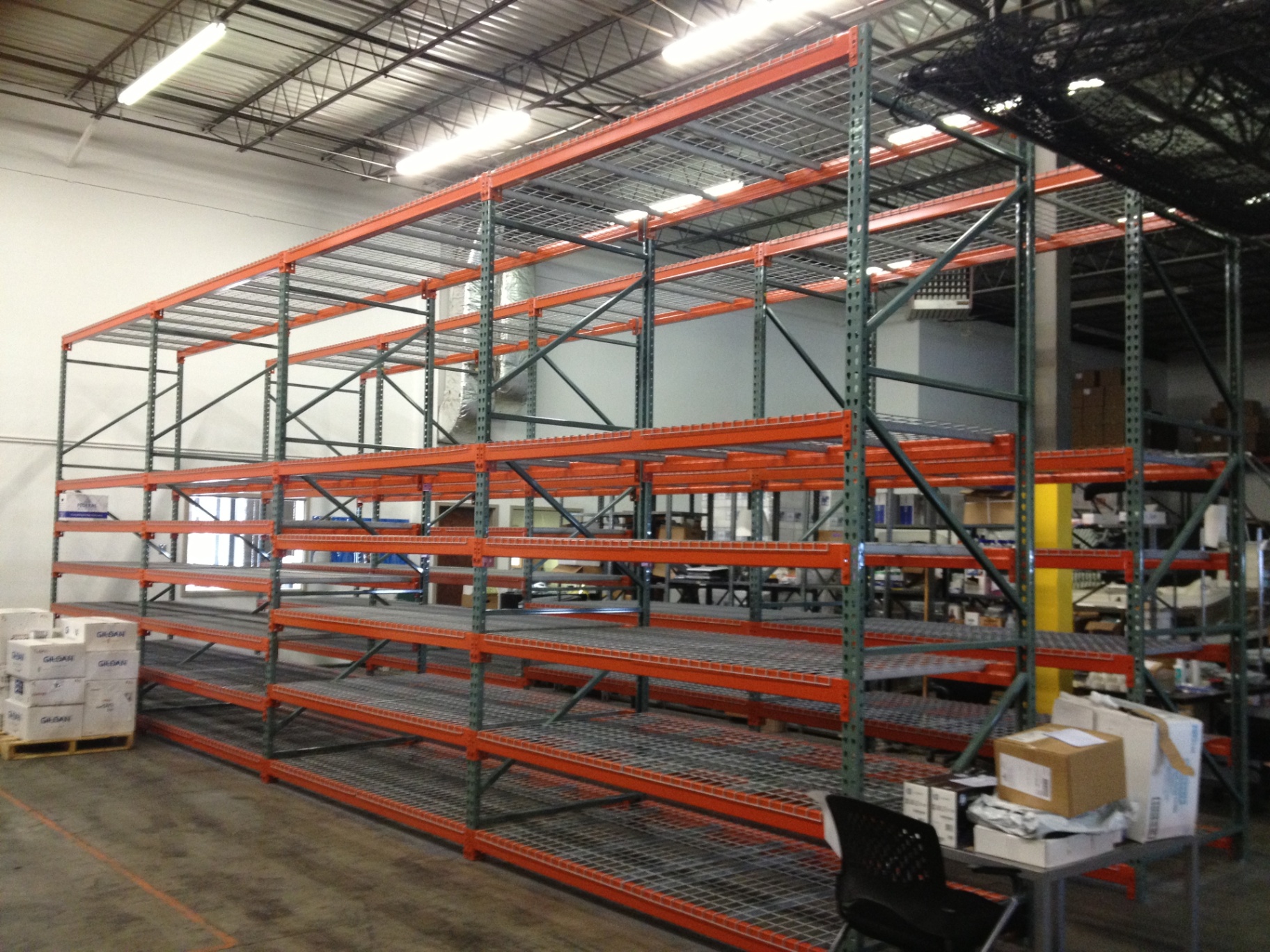
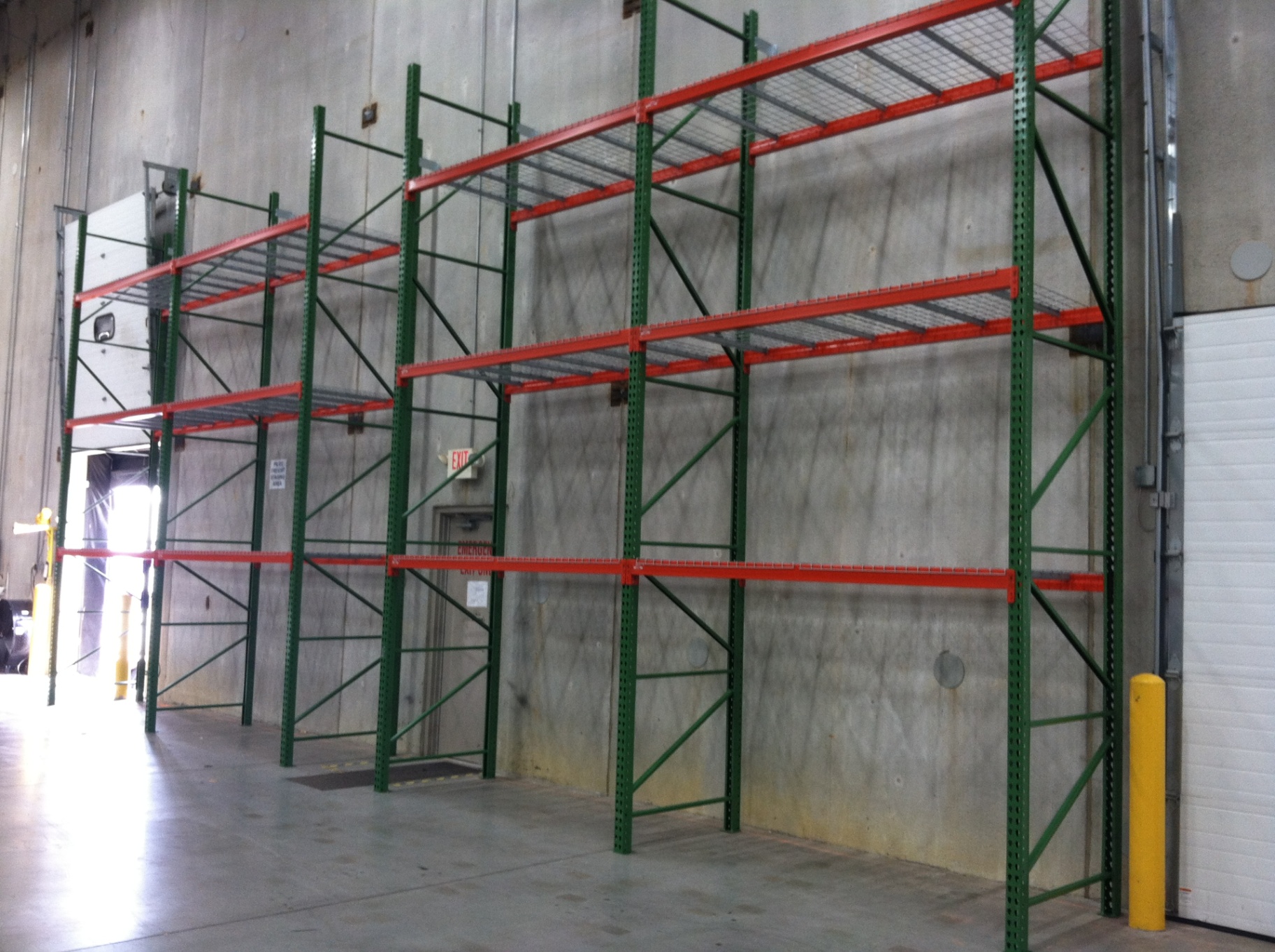
Racking projects completed for warehouses across Dallas–Fort Worth.
Get a Drive-In Rack Quote for Your Garland Warehouse
Send the basics and we will follow up with a layout and pricing. Prefer to talk it through? Call (214) 380-2954.
Dallas Pallet Racks
2442 S Collins St.
Ste 108 #2359
Arlington, TX 76014
(214) 380-2954Monday - Friday: 8:00 AM - 6:00 PM
Drive-In Rack Questions We Hear Most
How much floor space does drive-in rack actually save?
Trading aisles for lanes typically shrinks the footprint for the same pallet count by roughly a third, sometimes more in a taller building. We give you the side-by-side numbers in the layout rather than a rule of thumb.
What's the difference between drive-in and drive-through rack?
Drive-in is open at one end and runs LIFO - highest density. Drive-through is open at both ends and allows FIFO, at the cost of some positions and a second access aisle.
Does drive-in slow down put-away?
It can, since the truck has to travel into the lane for every pallet. It works best for bulk moves rather than piece picking - pairing it with a selective pick face keeps daily order fulfillment from bogging down.
How do you keep lift trucks from damaging the rack?
Floor-mounted guide rails steer the truck through the lane, and column guards plus rail-end protection absorb the contact that still happens. Both get specified with the system up front, not bolted on after the first impact.
Can a drive-in system be reconfigured later?
Rail elevations can be reset for a different pallet height, and lanes shortened or added. If SKU count grows enough that lanes stop filling, sections can be converted back toward selective racking.
Should a Garland plant use drive-in for small, changing production batches?
Compare carefully. Small batches can leave dedicated deep lanes partly empty, and independently selected inputs can be blocked by the lane sequence. Drive-in is a stronger candidate for repeated lots with concentrated pallet quantities.
How can a Forest Lane operation keep component delivery separate from drive-in rack?
Distinguish material going to production from finished goods returning to storage. Each movement needs an assigned place so the production route does not become an overflow area for the next receipt. Group homogeneous reserve lots in lane assignments and retain another zone for mixed components. Compare batch quantity with lane depth at several points in the production cycle, including when a lot is almost consumed rather than freshly received.
What should a Garland plant compare when batch sizes change around drive-in rack?
Compare the quantities held before and after a production run. A larger batch may change the required reserve assignment, while a smaller batch may need more independent access rather than additional depth. Compare carefully. Small batches can leave dedicated deep lanes partly empty, and independently selected inputs can be blocked by the lane sequence. Drive-in is a stronger candidate for repeated lots with concentrated pallet quantities.
Other Rack Types We Supply in Garland
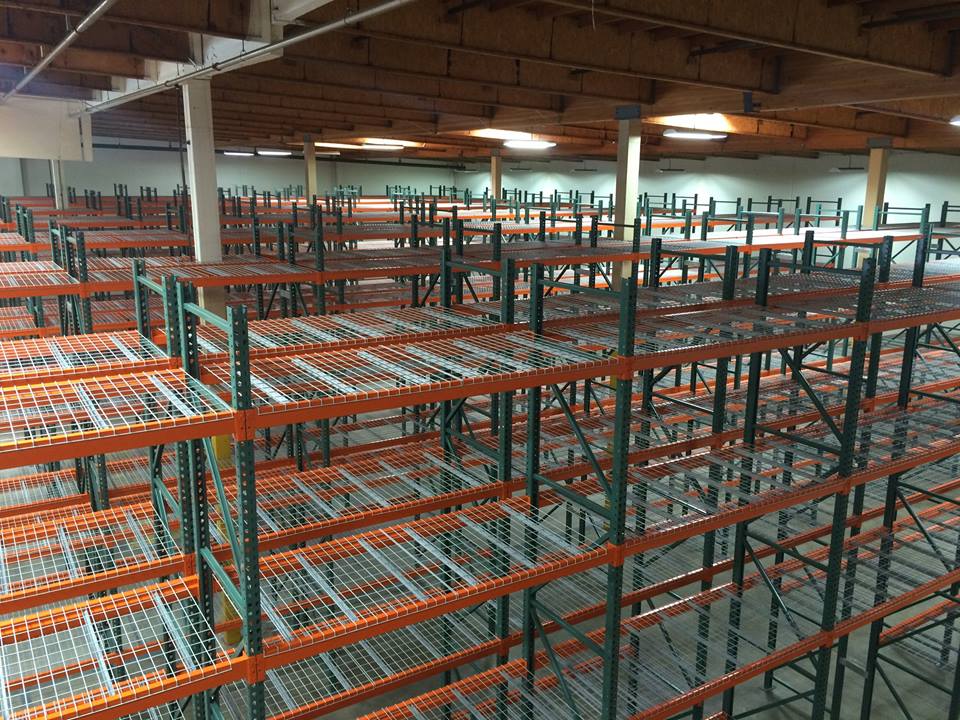
Pallet Rack
Every pallet reachable, every time. The baseline we size everything else against.
View details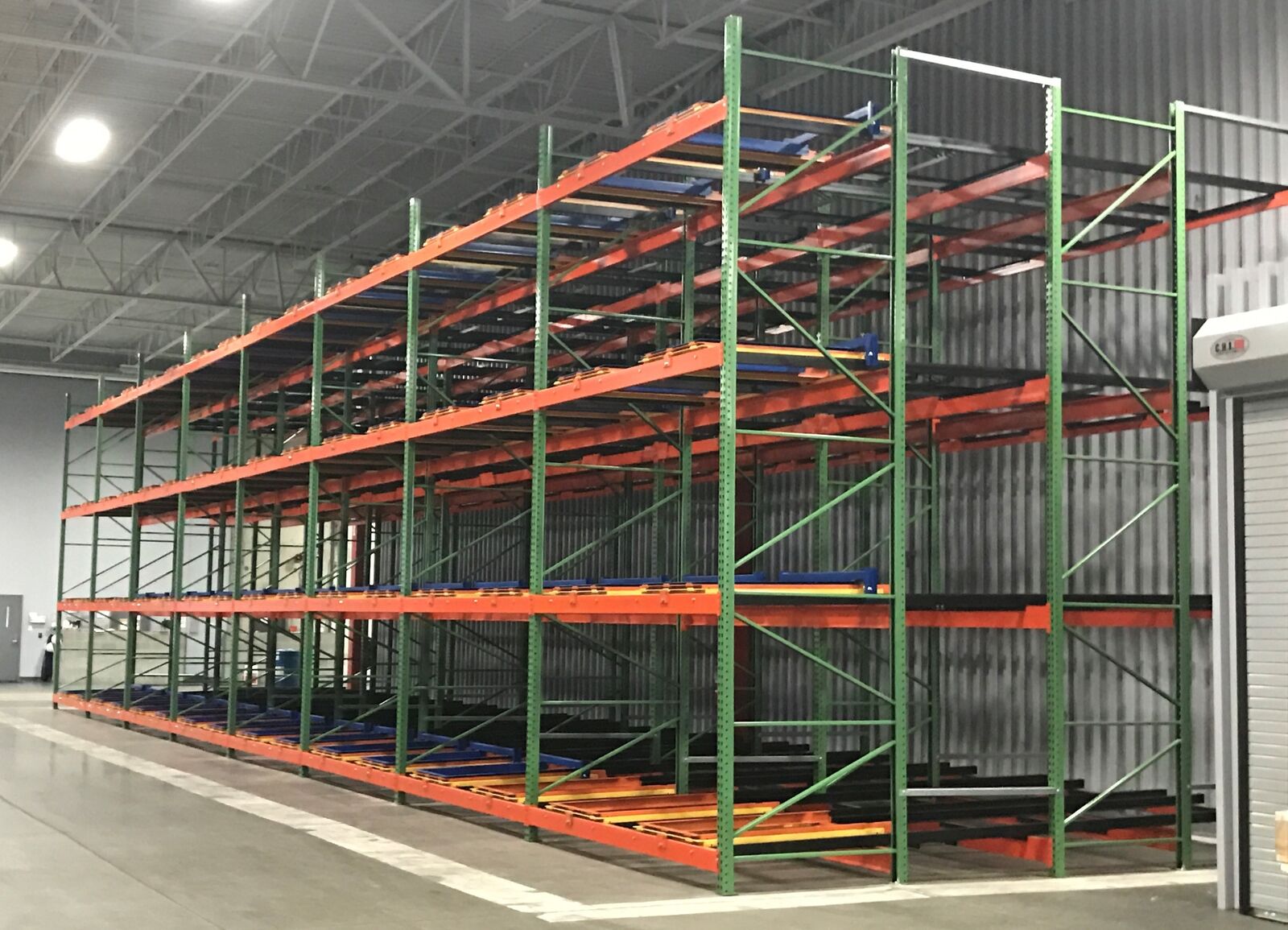
Pushback Rack
Two to six pallets deep from one aisle, without giving up much reach.
View details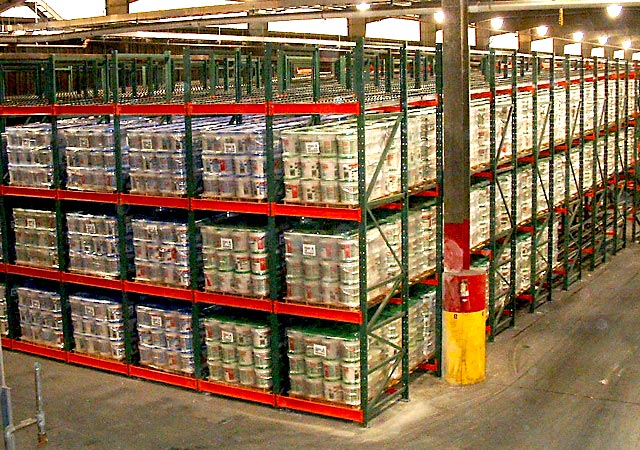
Pallet Flow Rack
Load one side, pick the other, and let gravity enforce first in, first out.
View details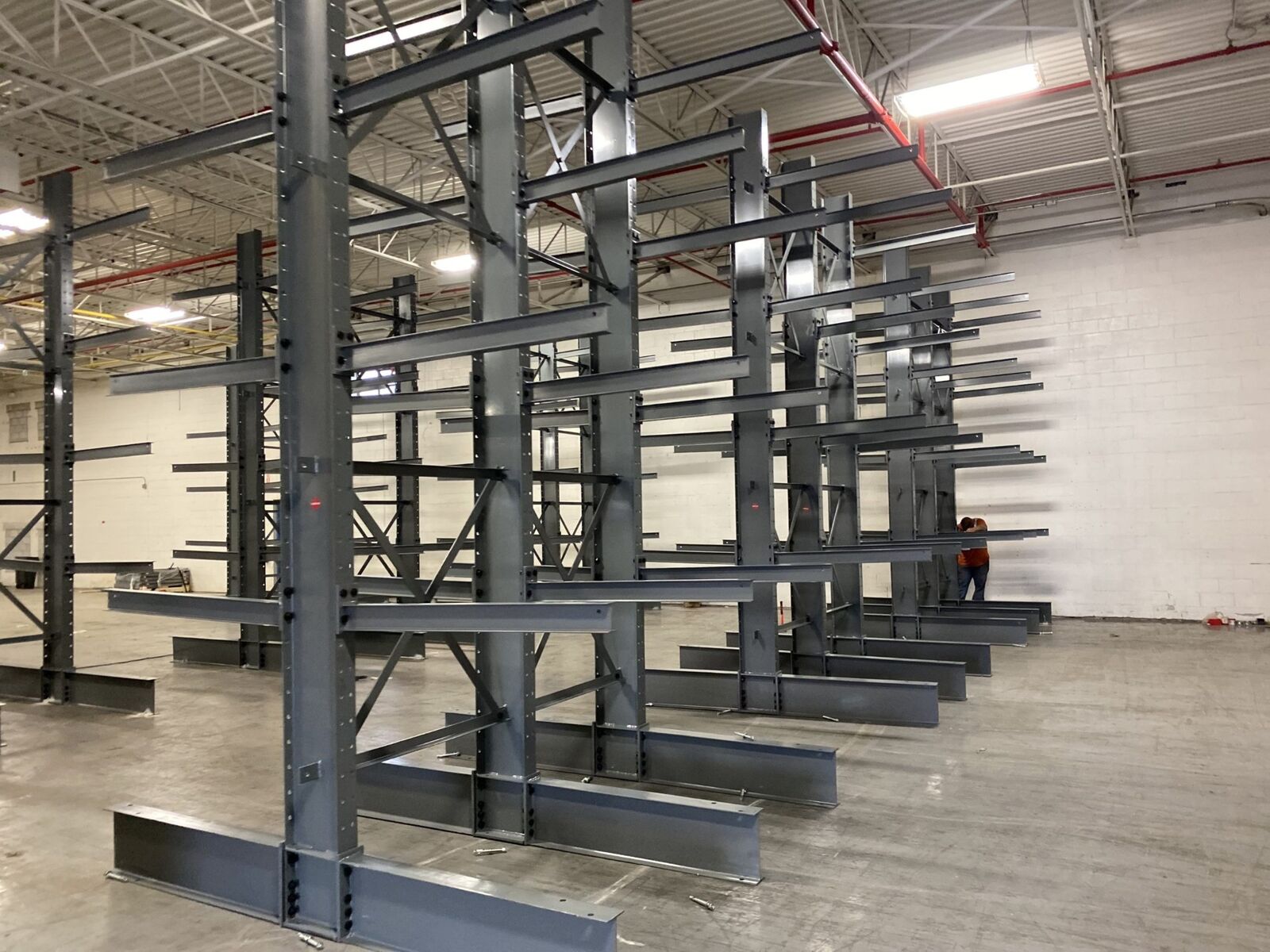
Cantilever Rack
Arms with nothing in front of them, built for lumber, pipe, and anything a pallet can't hold.
View details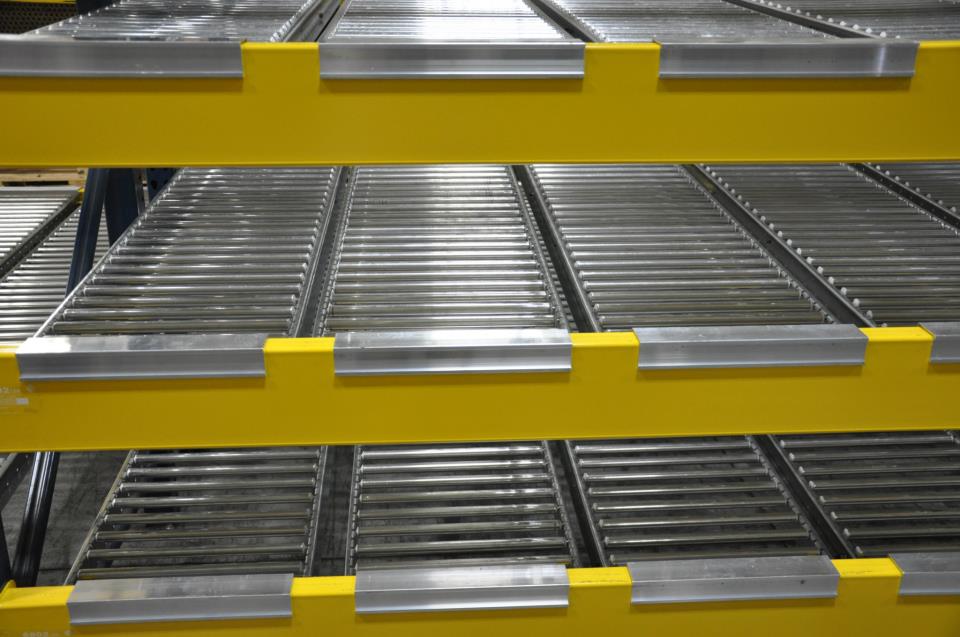
Carton Flow Rack
Cases advance to the picker instead of the picker hunting for cases.
View detailsNearby Areas We Also Serve
We serve the Dallas–Fort Worth metroplex with storage layouts, rack supply, and installation. Compare the same rack type in another service area below.
Where We Work
Based in Arlington, we serve the DFW metroplex with industrial pallet racks and warehouse storage solutions.
Dallas Pallet Racks
Address
2442 S Collins St.
Ste 108 #2359
Arlington, TX 76014
Phone
(214) 380-2954Business Hours
Monday - Friday: 8:00 AM - 6:00 PM
Saturday: Closed
Sunday: Closed
Need Drive-In Rack in Garland?
Call (214) 380-2954 or request a quote and we will get a layout started.