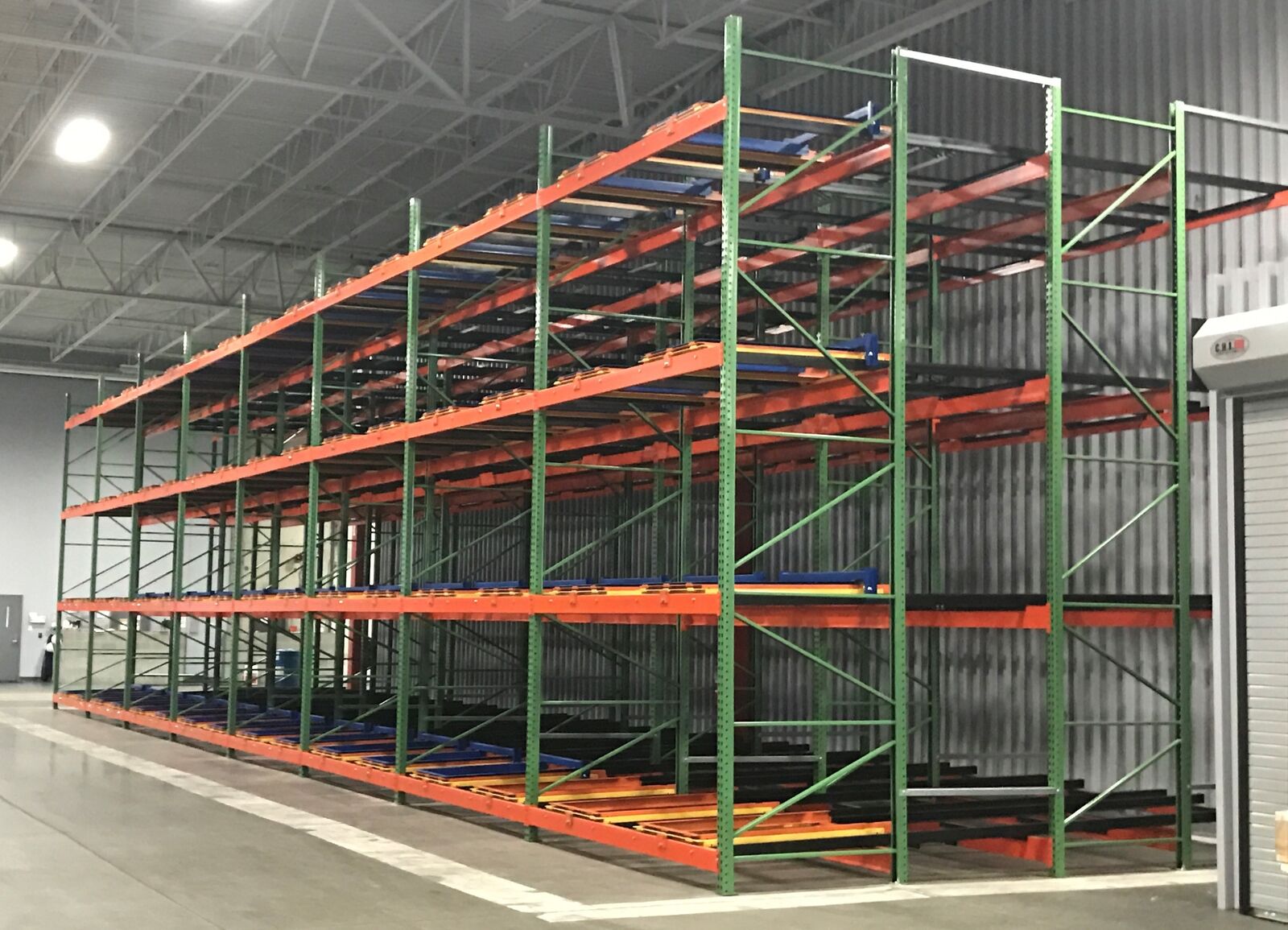
Pushback Rack in Carrollton, TX
Carrollton has established industrial locations including Valwood Industrial Park and the Belt Line corridor. That setting supports a useful storage comparison between recurring reserve goods and the parts released independently throughout a working day. The immediate shortage may be access to the right item rather than total capacity, especially when storage also feeds a production or packing area.
Pushback rack can reduce the frontage used by recurring Carrollton reserve SKUs, but independent parts access remains a separate task. In Valwood or the Belt Line corridor, compare stock per item with the way it leaves the store. A larger number of item codes is not, by itself, a reason to deepen storage lanes.
Compare pushback rack with a Free Design Consultation, CAD layout, and itemized quote from Dallas Pallet Racks, a division of Warehouse Equipment & Supplies Co.
Why Carrollton Warehouses Work With Us
Valwood Industrial Park and Carrollton's Belt Line industrial corridor are real geographic references, but they do not define a single inventory pattern. A distributor holding repeat pallets and a manufacturing store selecting varied parts have different reasons to add rack. Start by separating the quantity held from the frequency and order of retrieval.
During our Free Design Consultation, those choices become storage zones in a CAD proposal. Compare reserve assignments with active picks, and show how replenishment moves between them. If the next required item sits behind stock that must remain, the position exists on paper but does not provide the access the operation needs.
For facilities connected to I-35E, keep receiving and dispatch in the floor allocation rather than consuming them with extra rows. An itemized quote explains the proposed system and components so your team can weigh usable access against added positions before approving the scope.
Retain selective access for varied active inventory and evaluate pushback for repeat reserve pallets. Check normal stock per SKU and the LIFO release sequence, with replenishment routes shown between reserve and active areas.
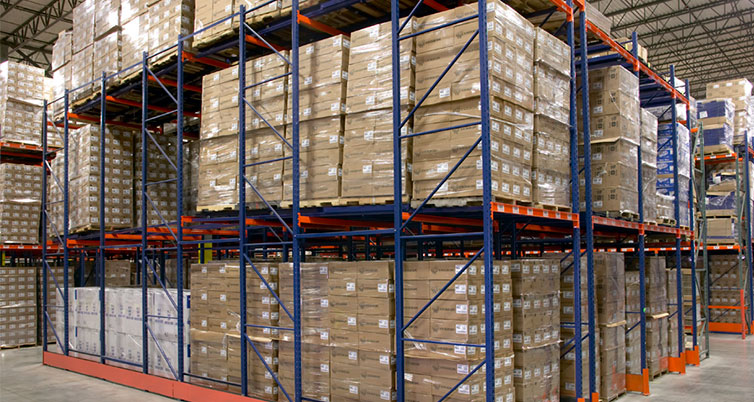
Operations We Rack Around Here
Serving warehouses around Trinity Mills Corridor, Beltline industrial, Old Denton Road, Hutton Drive.
How Pushback Rack Works
Two to six pallets deep from one aisle, without giving up much reach.
Loading from the aisle
The driver sets the first pallet on the front cart. Each pallet added after that pushes the cart train deeper into the lane, so one aisle handles the whole depth.
Carts nested on rails
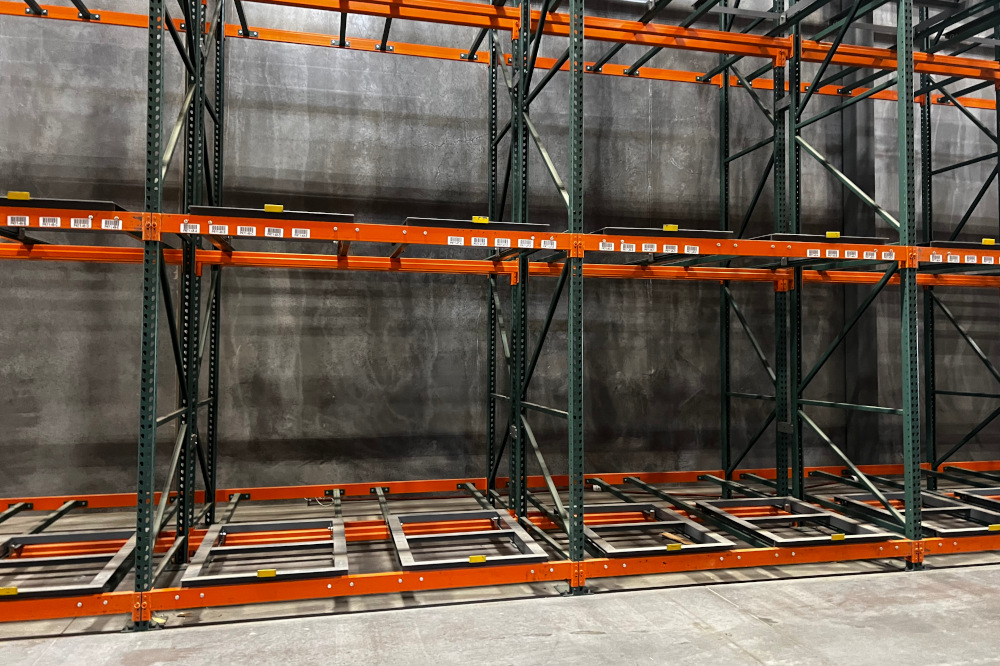
Steel carts with nylon or steel wheels ride inclined rails, each nesting under the one ahead of it - that nesting is what makes multi-deep storage possible from a single face.
Retrieval by gravity
Pull the front pallet and the next cart rolls forward on the incline to the pick face. No driving into the lane, no repositioning pallets by hand.
Last in, first out
Each lane runs LIFO. That suits fast-turning product and any operation managing rotation by lane rather than by individual pallet date.
What a Pushback Rack Project Includes
A pushback rack project begins with a discussion of your inventory and handling goals. We consider the stored loads, their weight range, how often they move, and which items need immediate access. For Carrollton operations, compare reserve depth with the number of SKUs handled along Belt Line Road. That local layout consideration is evaluated alongside the system’s basic storage requirements rather than treated as a reason to choose the same rack for every building.
The CAD proposal shows the storage arrangement, usable levels, access routes, and pallet positions. Next we set lane depth. Deeper lanes store more, but only pay off if you actually carry that many pallets per SKU - so we compare a two-deep and a four-deep version of the same footprint and show what each does to total positions and to how many pick faces you're left with. Where comparing two rack types is useful, the discussion explains what changes in access, rotation, and capacity. The result is a layout you can review with your operations team rather than a quantity of rack without an operating plan.
Your itemized quote identifies the rack structure, load-support components, and accessories included in the scope. Product availability, delivery, and installation are discussed before the order proceeds; the schedule depends on the selected system and project size. The quote covers frames, beams, rails, carts, and guarding, itemized so you can see exactly what the added density costs per position - the number that matters more than the sticker price. Rails and carts are set and tested at installation, and cart travel is verified in every lane before handover.
After approval, the project moves forward against the agreed layout and scope. The documentation provides a reference for storage assignments and rated capacities. If the inventory mix later changes, you can discuss additional pallet positions, a different lane arrangement, or a complementary rack type without assuming every existing component can be reused. Compatibility and capacity must be checked for the proposed configuration.
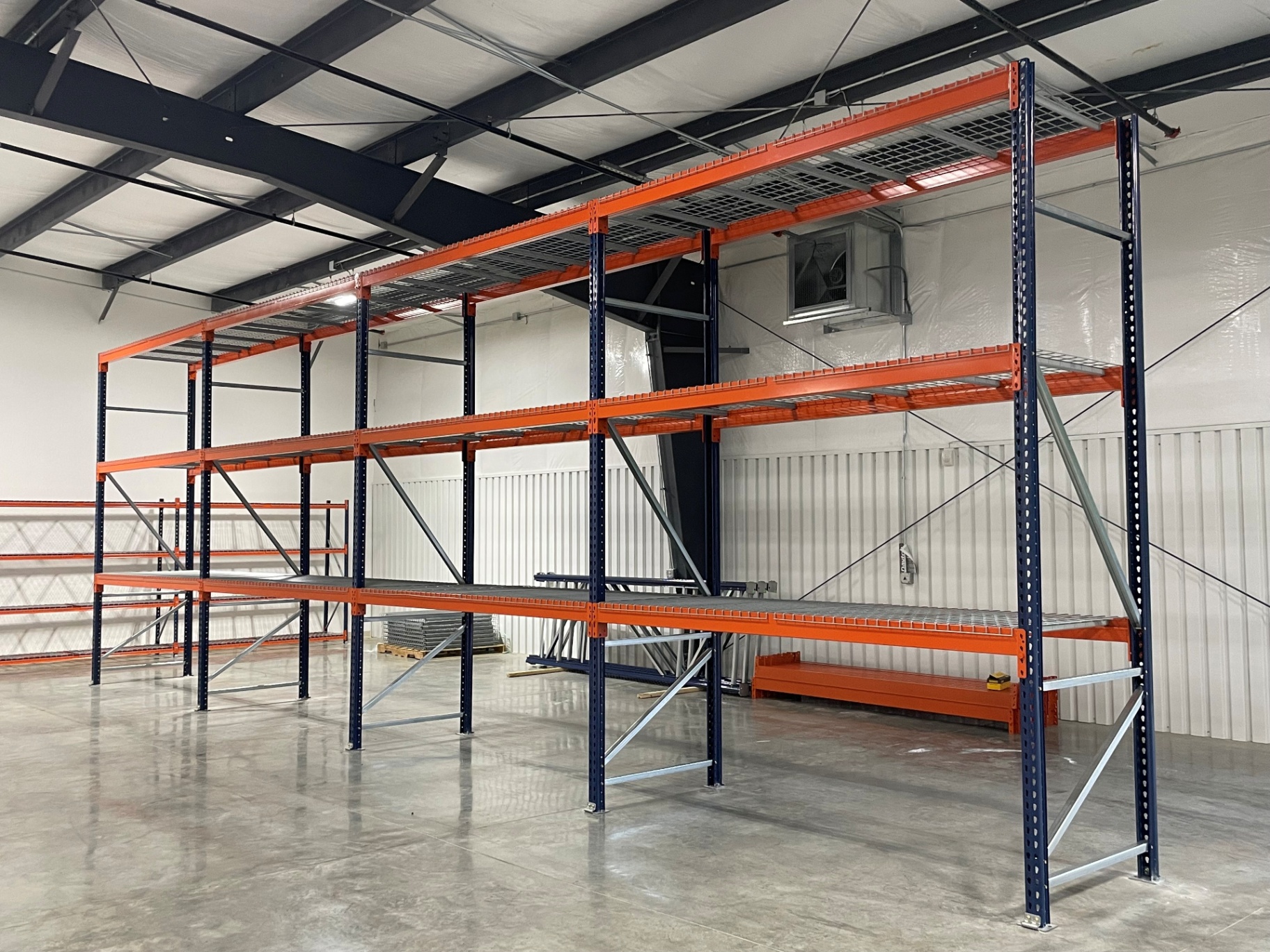
Recent Installations
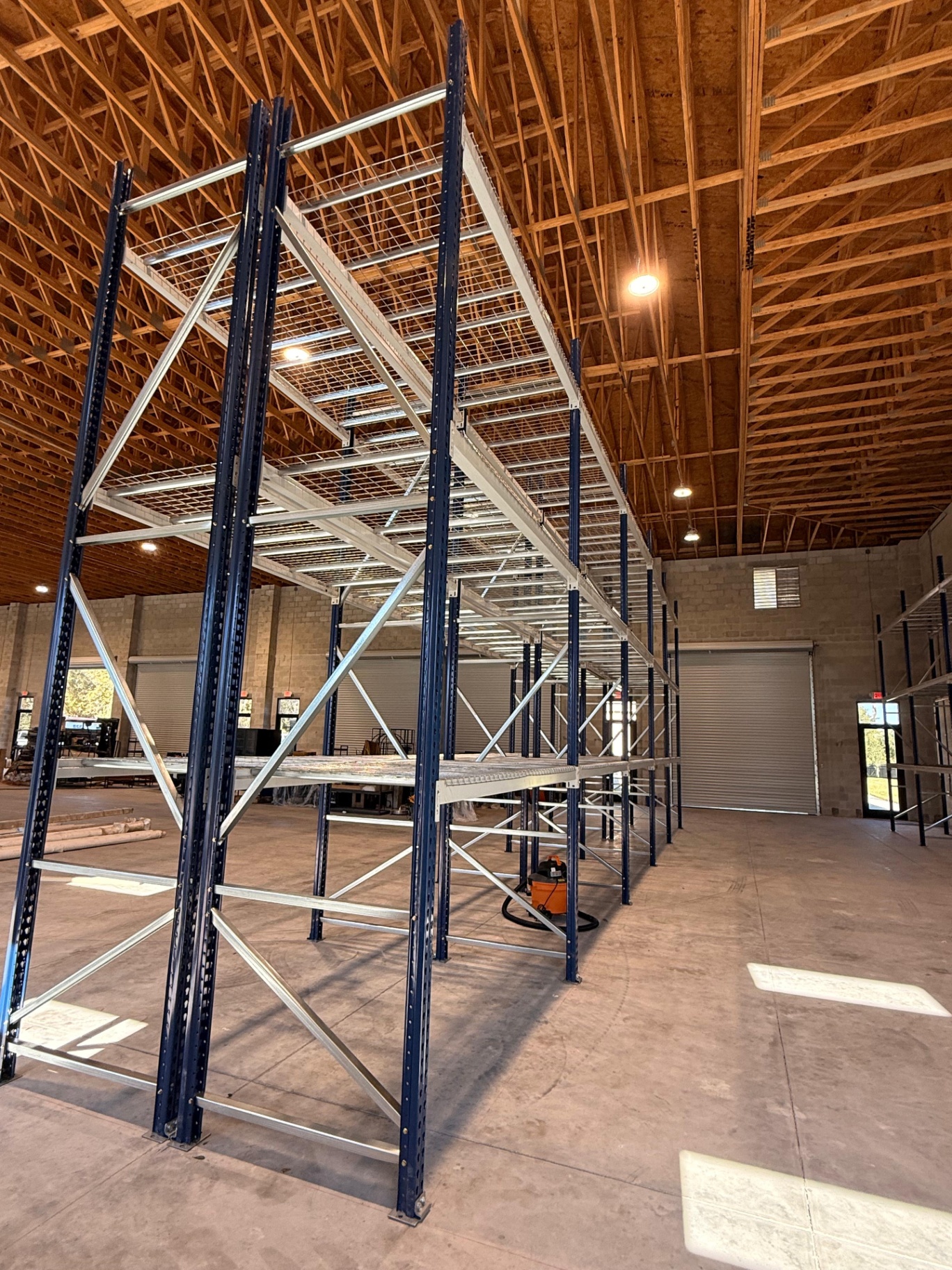
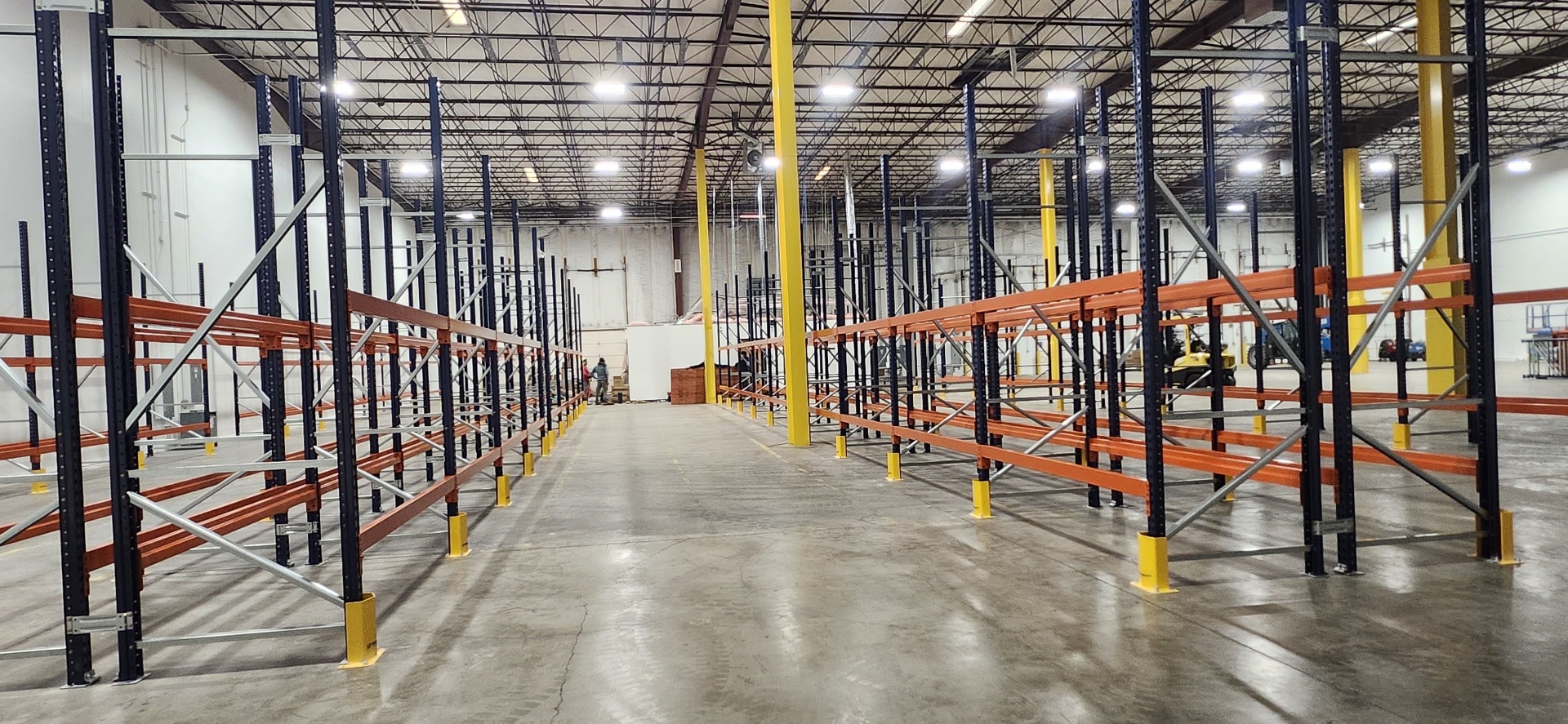
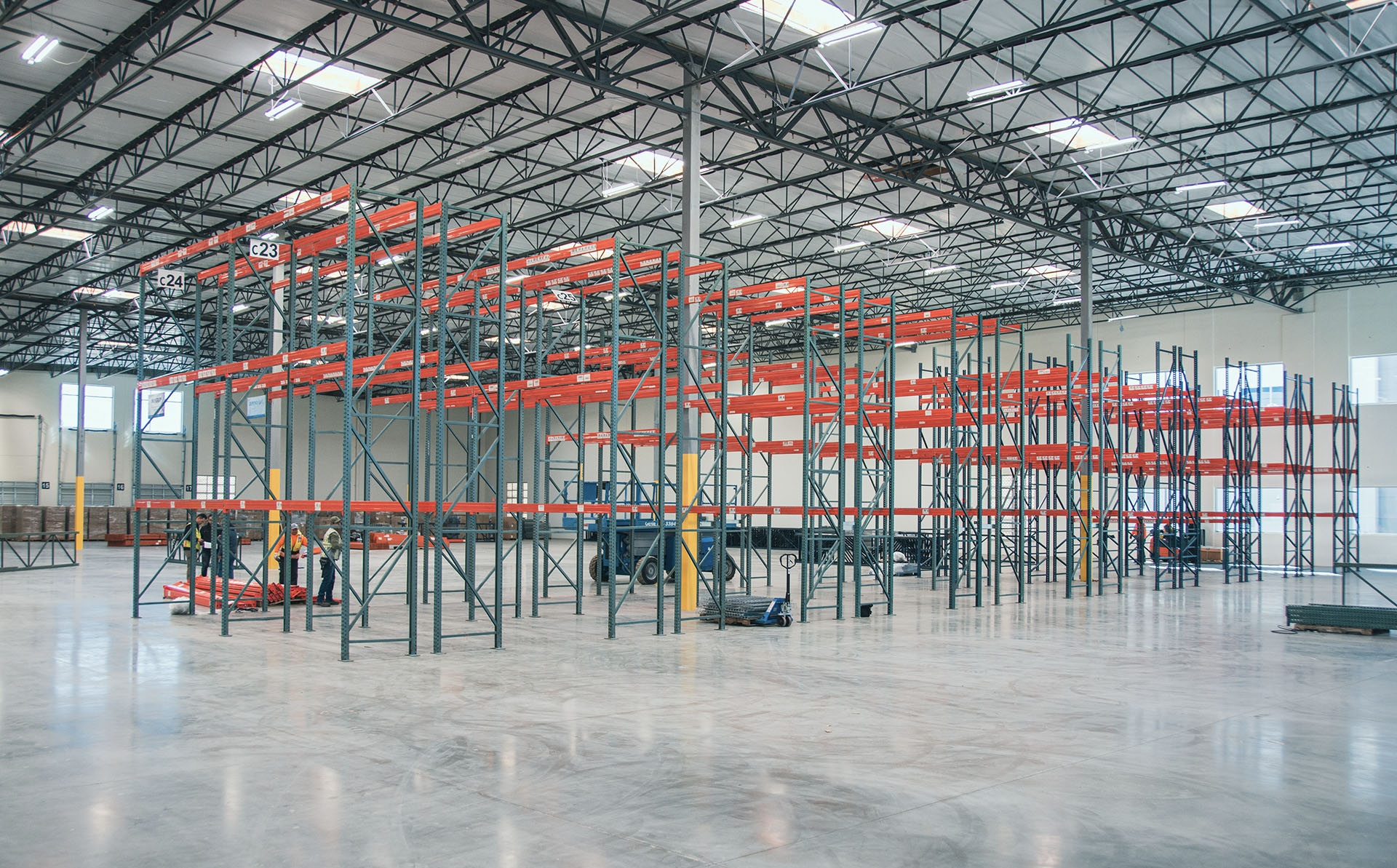
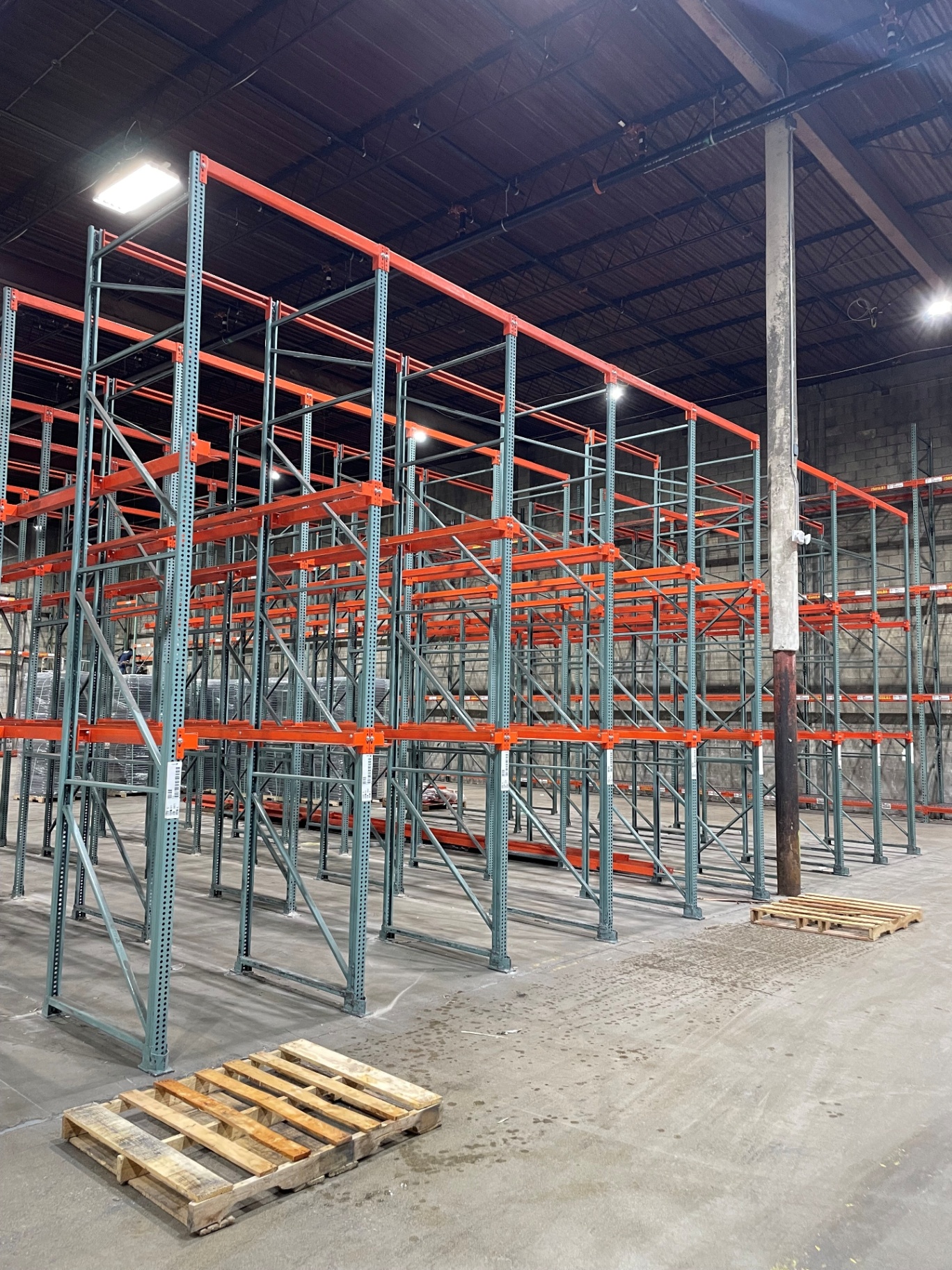
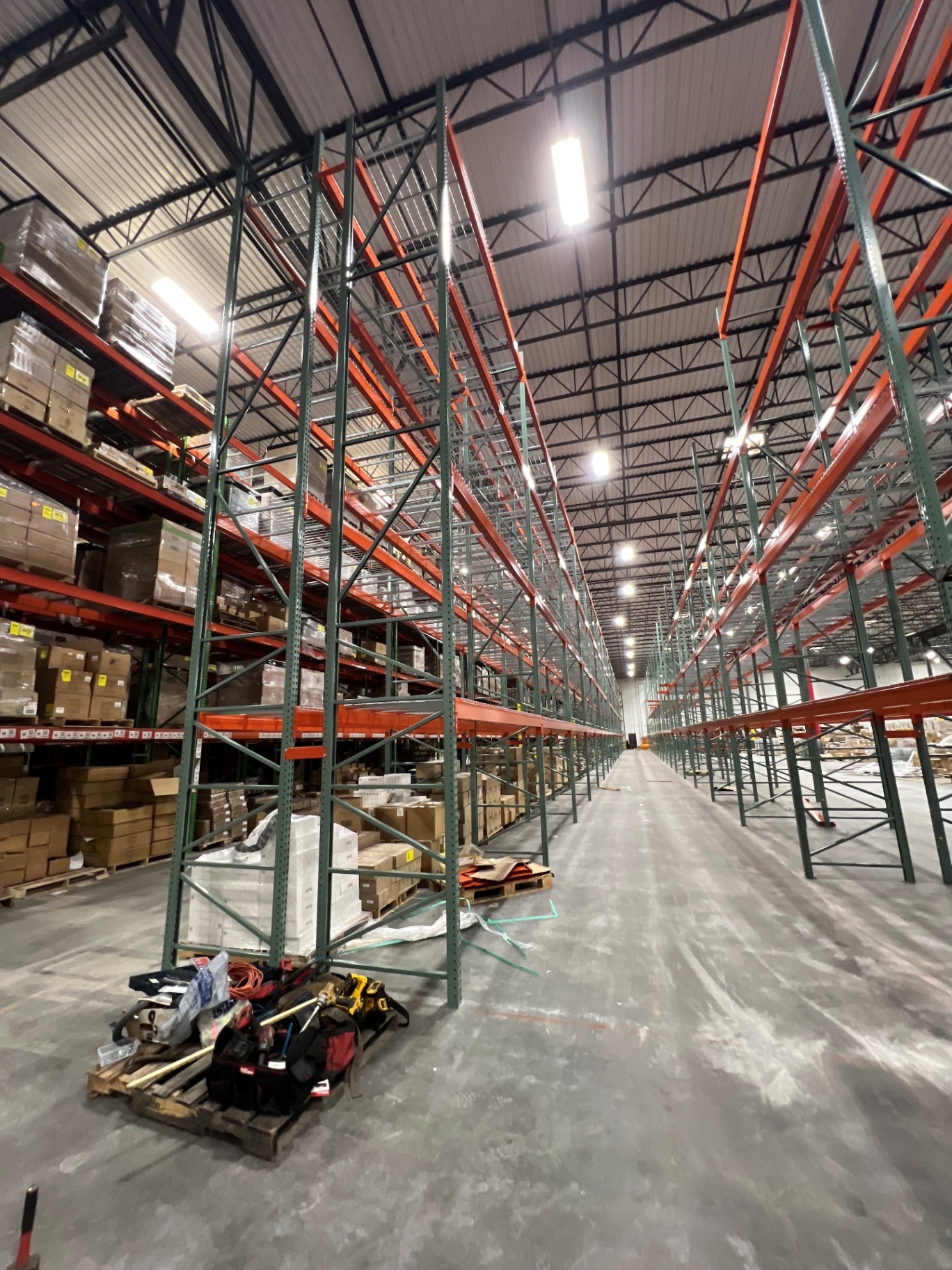
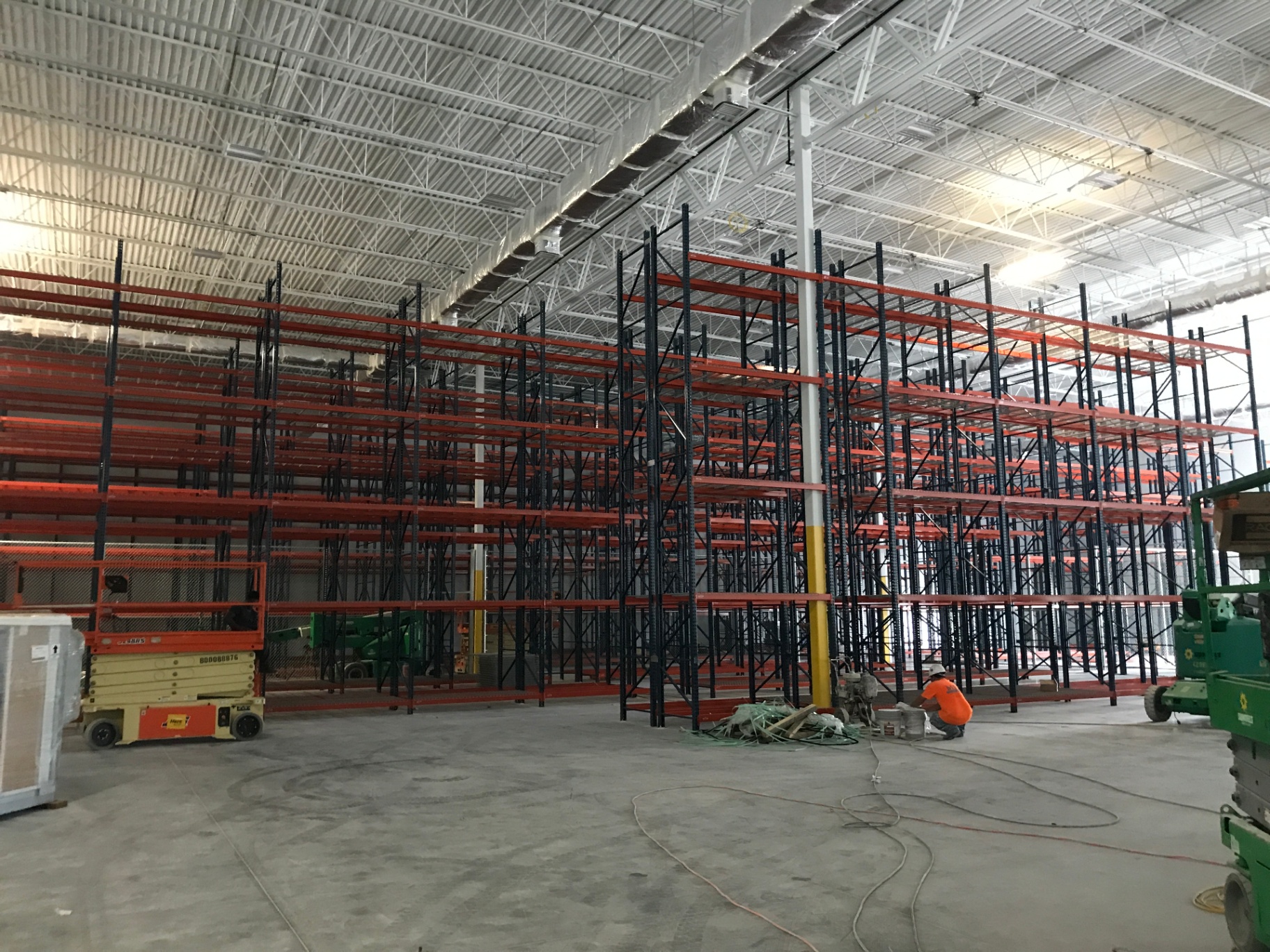
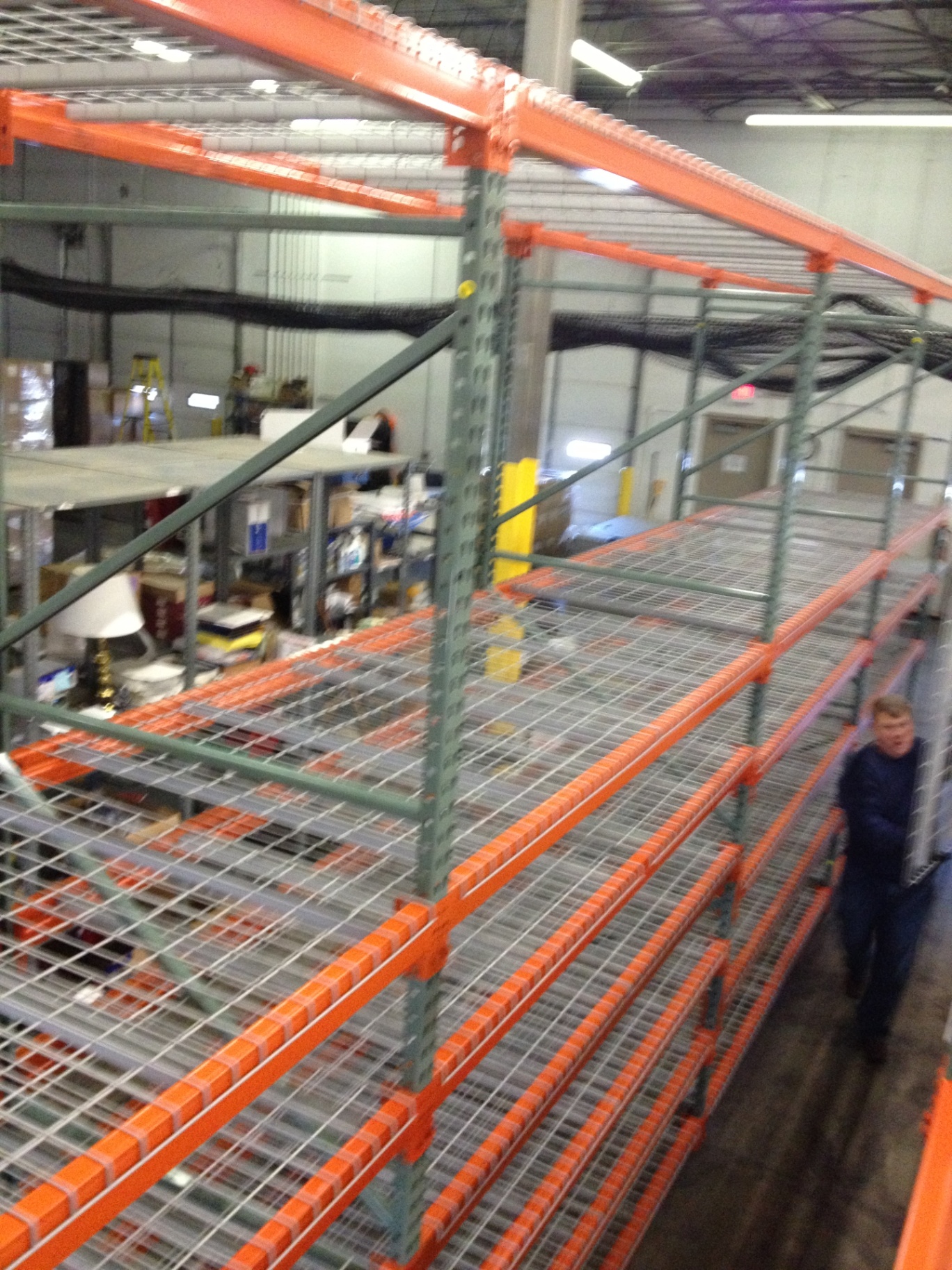
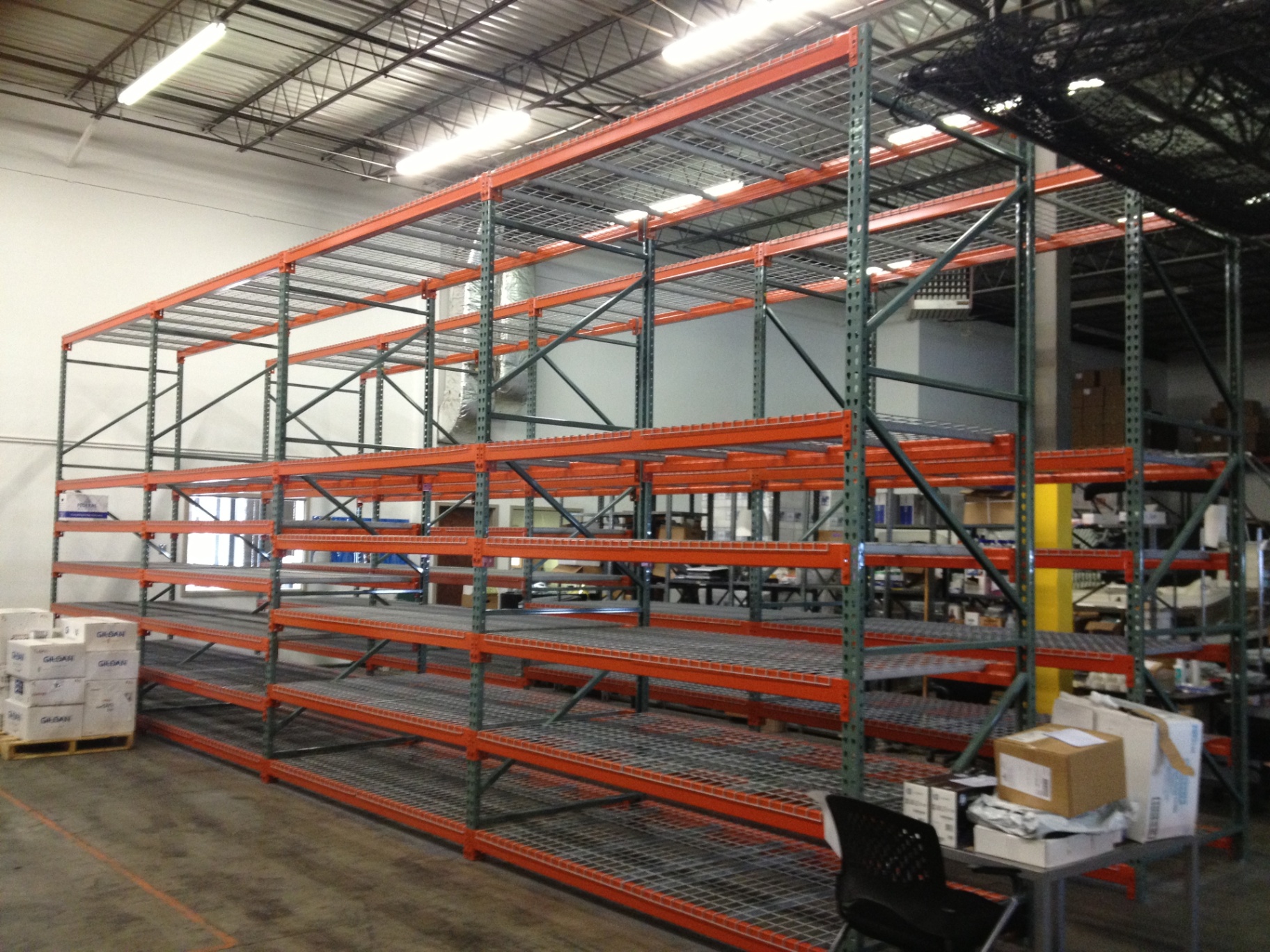
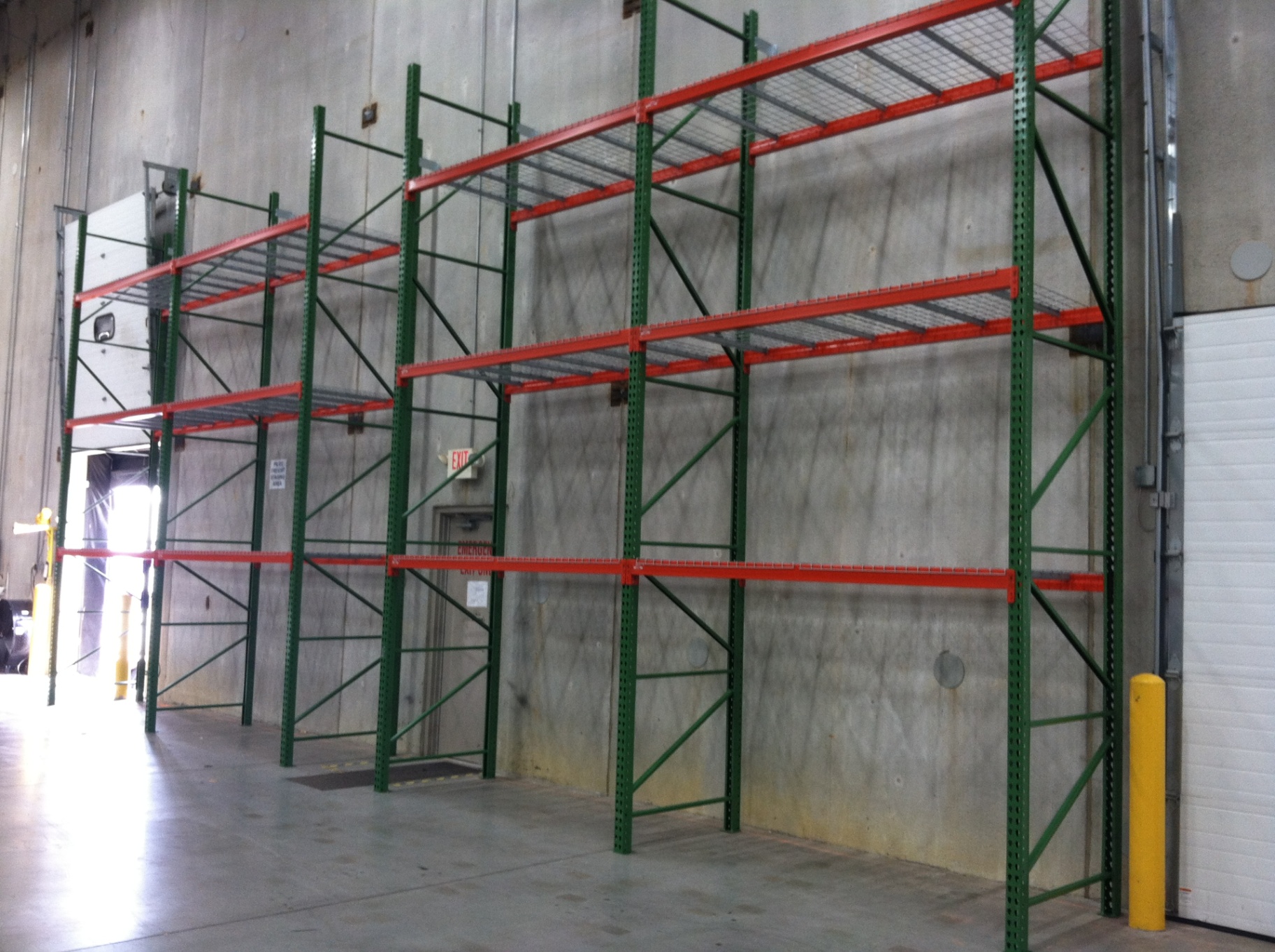
Racking projects completed for warehouses across Dallas–Fort Worth.
Get a Pushback Rack Quote for Your Carrollton Warehouse
Send the basics and we will follow up with a layout and pricing. Prefer to talk it through? Call (214) 380-2954.
Dallas Pallet Racks
2442 S Collins St.
Ste 108 #2359
Arlington, TX 76014
(214) 380-2954Monday - Friday: 8:00 AM - 6:00 PM
Pushback Rack Questions We Hear Most
How deep can a pushback lane go?
Two to six pallets deep is the practical range. Lanes beyond four deep only pay off if you consistently hold that many pallets per SKU - we size lane depth from your inventory profile, not by maxing out the rail.
How does push back racking compare to drive-in rack?
Both store deep from one face. With pushback the forklift stays in the aisle and gravity does the work, which avoids driving within the rack structure. Drive-in goes deeper and costs less per position, but the driver has to enter the lane to place and pull loads.
Will my drivers need retraining?
Operators should receive system-specific instruction before use. Pushback requires controlled loading and unloading, correct pallet placement, and attention to moving carts; familiarity with selective rack alone is not sufficient.
What load capacities are available?
Cart and rail assemblies are commonly rated 2,500 to 4,000 lb per pallet, with heavier configurations available. We specify to your heaviest pallet with margin and hand over ratings for the finished lane.
Can pushback go into an existing selective row?
Often. Bay width and frame depth have to suit the cart and rail assembly, so we verify your current frames and connector style first, then convert the bays that work and leave the rest selective.
Should a Belt Line parts store replace all selective positions with pushback?
No. Varied low-quantity parts may need individual access. Compare pushback only for reserve SKUs with recurring pallet quantities and a retrieval order compatible with last-in, first-out lanes.
How should a Valwood operation keep replenishment access clear beside pushback rack?
Map the movement from reserve to the active work area. Replenishment should reach its destination without using the same space where completed orders wait or where another material is being retrieved. Retain selective access for varied active inventory and evaluate pushback for repeat reserve pallets. Check normal stock per SKU and the LIFO release sequence, with replenishment routes shown between reserve and active areas.
What should a Belt Line parts store compare before adding deeper pushback rack?
Count the independently selected items as well as the stored quantity. A plan that increases capacity but reduces accessible assignments can be the wrong tradeoff for a varied parts store. No. Varied low-quantity parts may need individual access. Compare pushback only for reserve SKUs with recurring pallet quantities and a retrieval order compatible with last-in, first-out lanes.
Other Rack Types We Supply in Carrollton
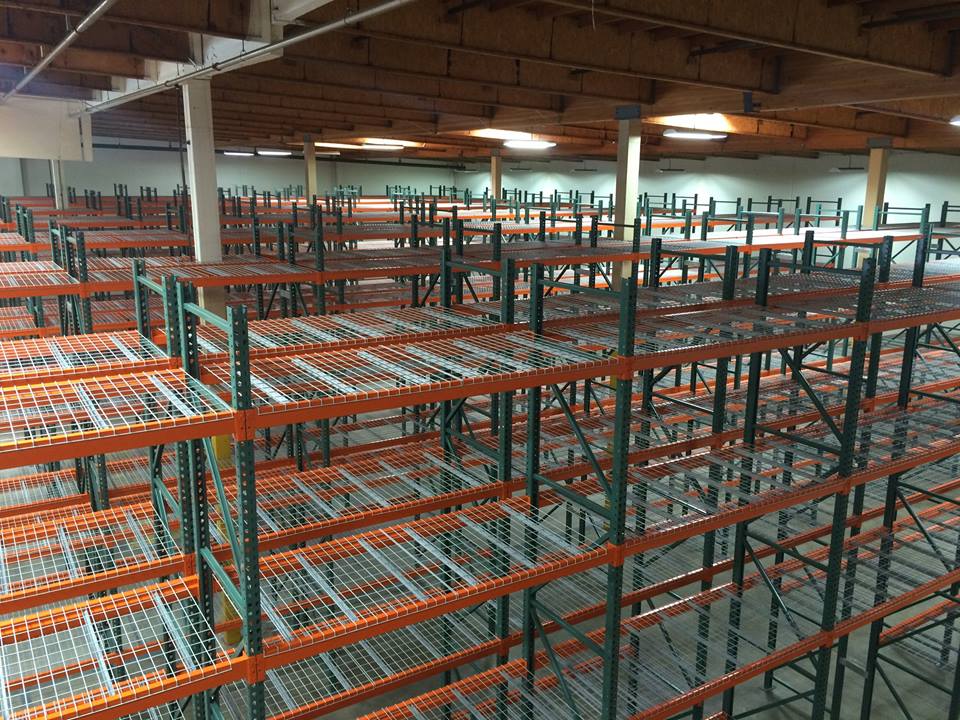
Pallet Rack
Every pallet reachable, every time. The baseline we size everything else against.
View details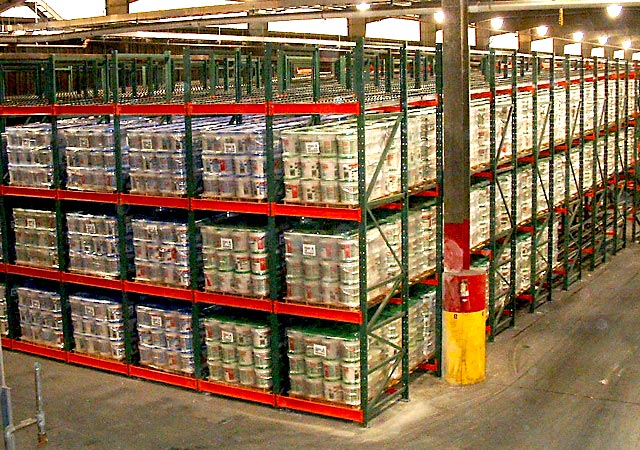
Pallet Flow Rack
Load one side, pick the other, and let gravity enforce first in, first out.
View details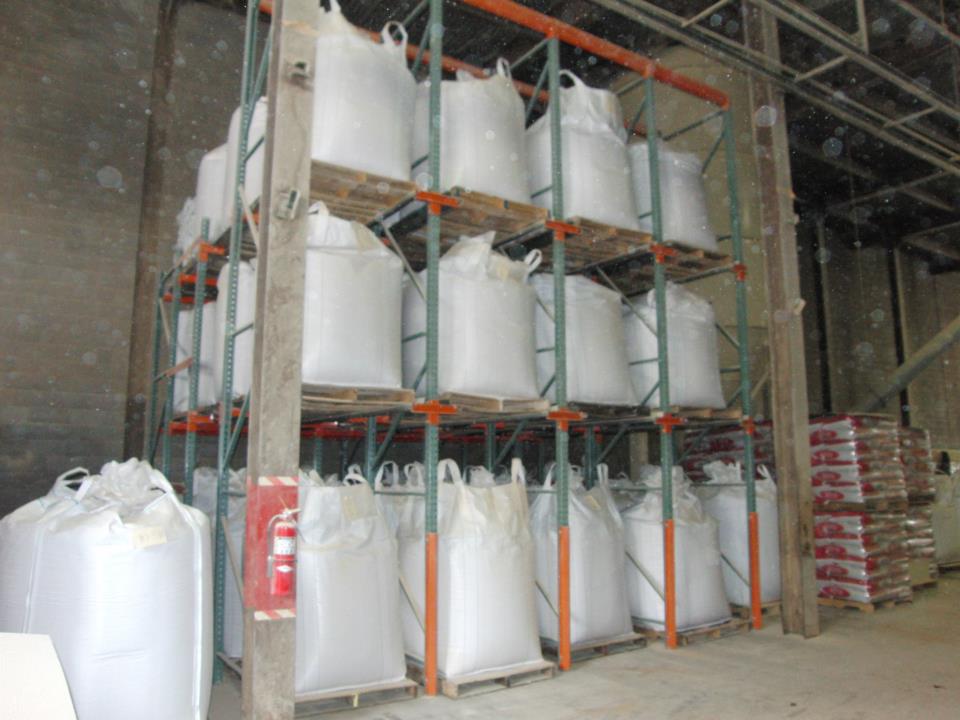
Drive-In Rack
Deep storage lanes replace intermediate aisles. The forklift enters the structure to place and retrieve pallets.
View details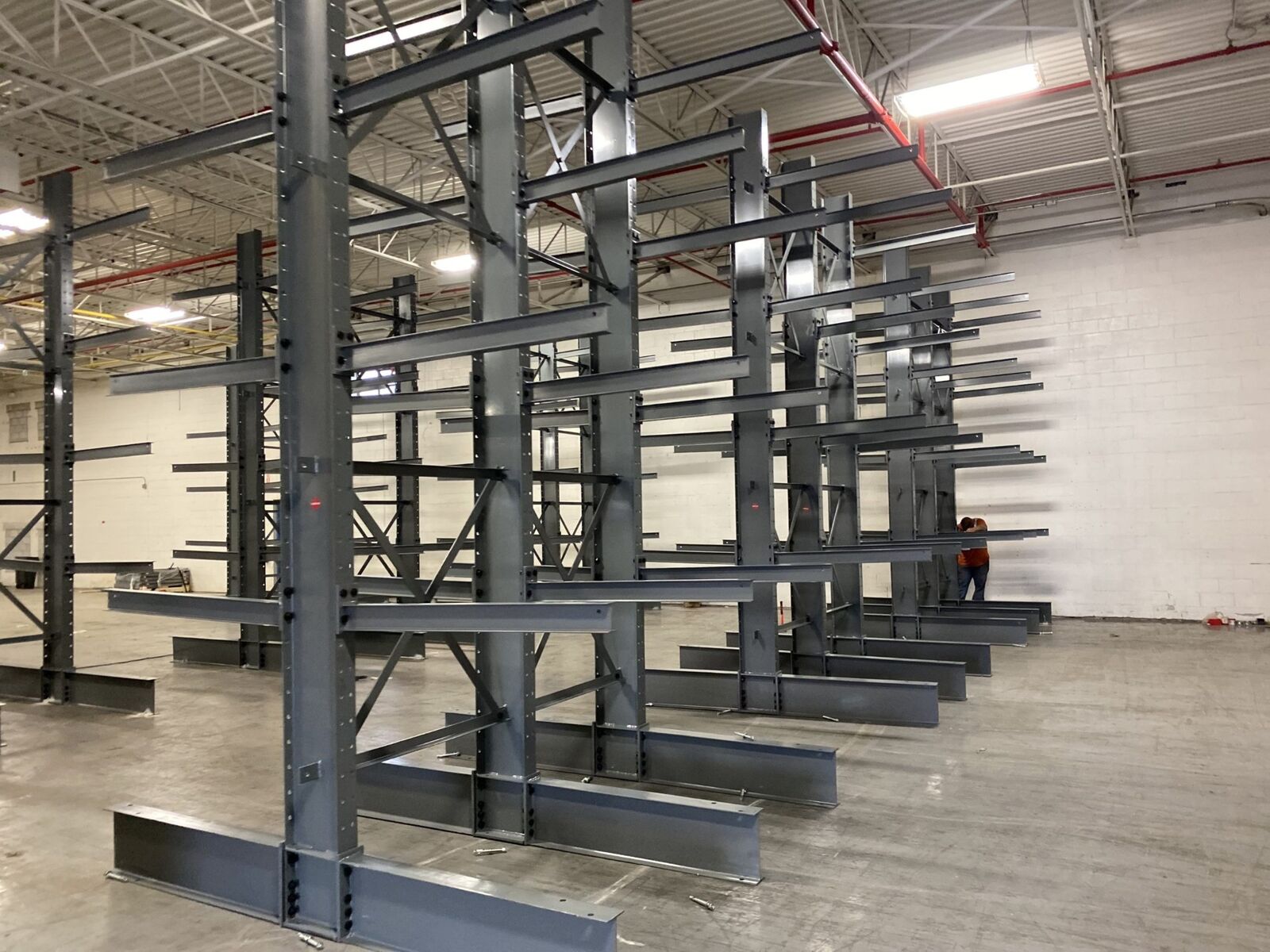
Cantilever Rack
Arms with nothing in front of them, built for lumber, pipe, and anything a pallet can't hold.
View details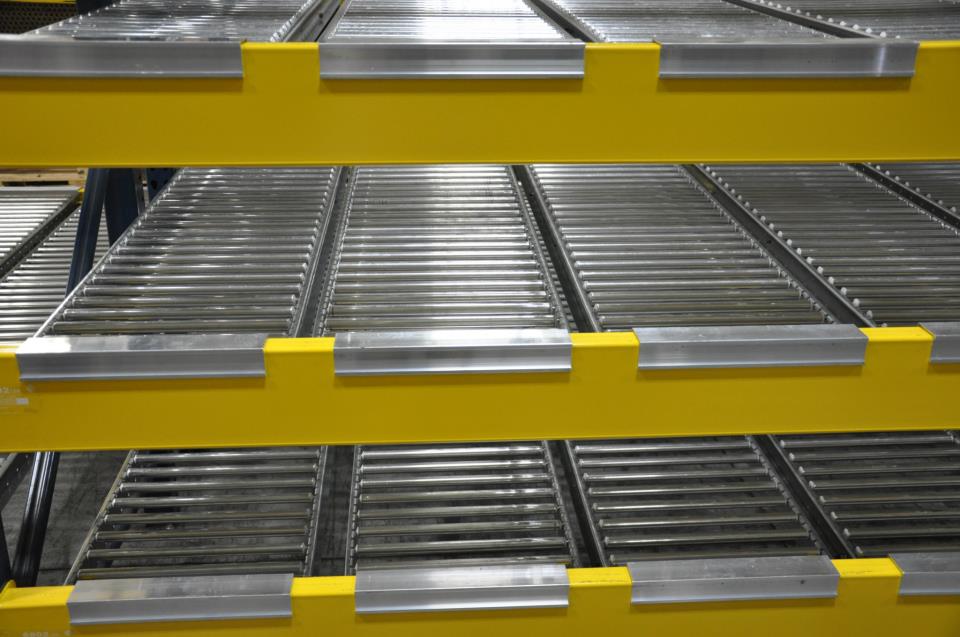
Carton Flow Rack
Cases advance to the picker instead of the picker hunting for cases.
View detailsNearby Areas We Also Serve
We serve the Dallas–Fort Worth metroplex with storage layouts, rack supply, and installation. Compare the same rack type in another service area below.
Where We Work
Based in Arlington, we serve the DFW metroplex with industrial pallet racks and warehouse storage solutions.
Dallas Pallet Racks
Address
2442 S Collins St.
Ste 108 #2359
Arlington, TX 76014
Phone
(214) 380-2954Business Hours
Monday - Friday: 8:00 AM - 6:00 PM
Saturday: Closed
Sunday: Closed
Need Pushback Rack in Carrollton?
Call (214) 380-2954 or request a quote and we will get a layout started.